







Newsletter Subscribe
Enter your email address below and subscribe to our newsletter

Enter your email address below and subscribe to our newsletter
All voices matter
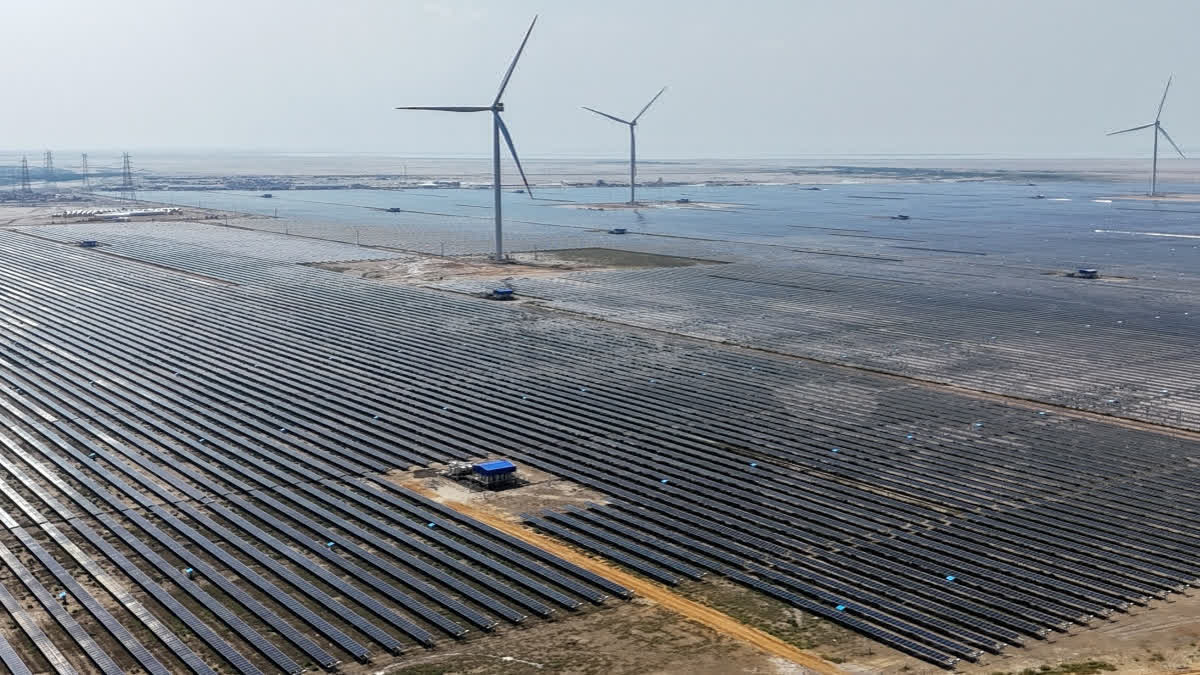
The energy price shock triggered by the US-Iran conflict and the near-total closure of the Strait of Hormuz is reshaping energy decisions from British rooftops to international climate negotiations, with consumers, governments, and investors all moving more aggressively toward renewables even as a new report warns that geopolitical fragmentation is slowing the broader transition.
In the United Kingdom, energy supplier Good Energy recorded a 91% increase in solar panel installation sales in February and March compared with the same period last year, with March becoming its strongest month on record. Government data published in late April showed more than 27,000 new solar installations were completed in March 2026 alone — the highest monthly total since 2012 — bringing the UK past two million total installations for the first time.gov
Meanwhile, Spain’s years of wind and solar deployment are delivering direct savings to households. An analysis by the energy think tank Ember, published this week, found that Spanish households are paying an estimated €10 less per month on electricity bills than they would if the country’s power prices remained as tied to volatile gas markets as they were in 2021. According to Ember, Spanish wind and solar generation increased 37% between 2021 and 2025, meaning gas set the electricity price in just 9% of hours during the first five months of 2026. Anadolu Agency reported the savings amount to nearly 20% off typical bills.aa
The World Economic Forum’s Energy Transition Index 2026, released on Tuesday, offered a more cautious picture. Despite record global energy investment reaching $3.3 trillion, transition progress is “fragmenting,” with readiness declining for the first time in over a decade. Only 24% of countries improved across security, sustainability, and equity simultaneously. The report found that geopolitical shocks and supply chain pressures are testing energy system resilience worldwide.weforum
At the UN June Climate Meetings in Bonn, which opened on June 8, UN climate chief Simon Stiell directly linked the current energy crisis to continued fossil fuel dependence. “It’s crystal clear: continuing our fossil fuel dependency means continuing to import inflation and economic instability,” Stiell told delegates, urging governments to “go further, faster” in delivering on Paris Agreement commitments. The talks, running ahead of COP31 in Turkey, have placed the fossil fuel transition, adaptation, and climate finance at the center of negotiations.downtoearth
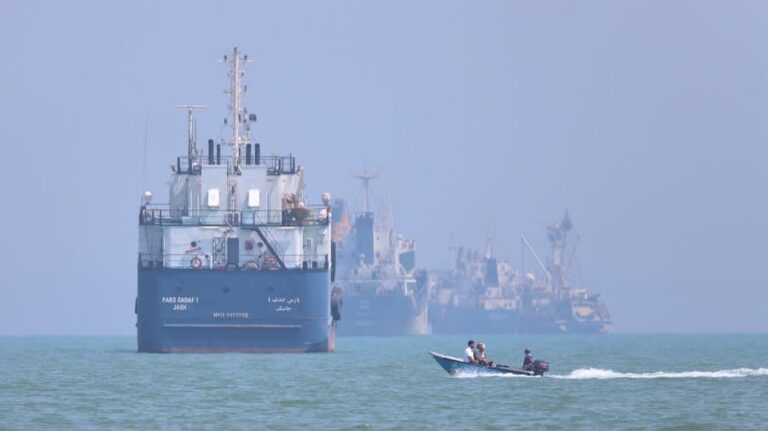
The conflict’s disruption — which at its peak removed over 14 million barrels per day from global supply according to the International Energy Agency — appears to be easing after the US and Iran signed a memorandum of understanding on June 15 to cease hostilities and reopen the strait. But analysts caution that full recovery of global energy flows will take months, and the experience has already shifted the calculus for millions of energy consumers and policymakers alike.aljazeera