







Newsletter Subscribe
Enter your email address below and subscribe to our newsletter

Enter your email address below and subscribe to our newsletter
All voices matter
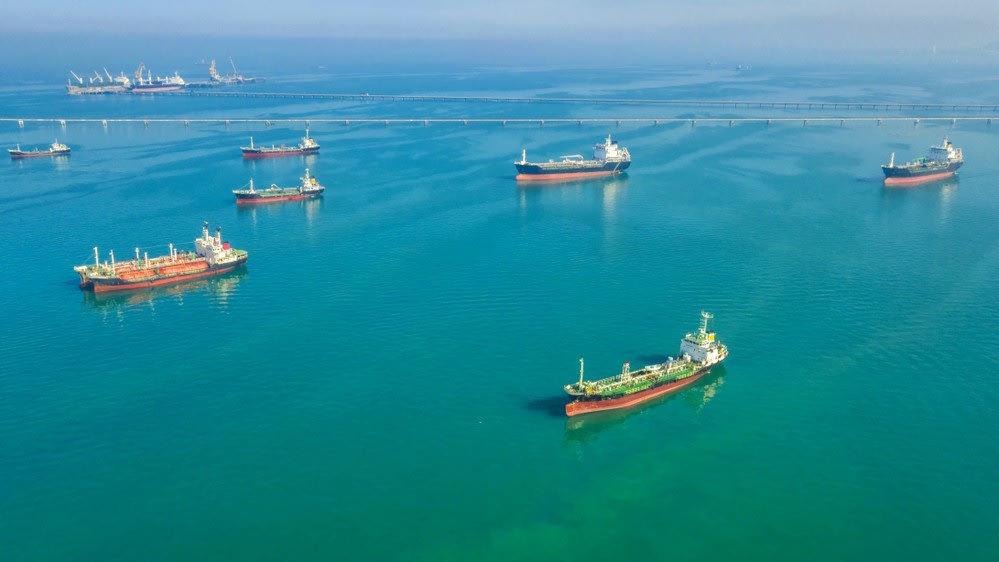
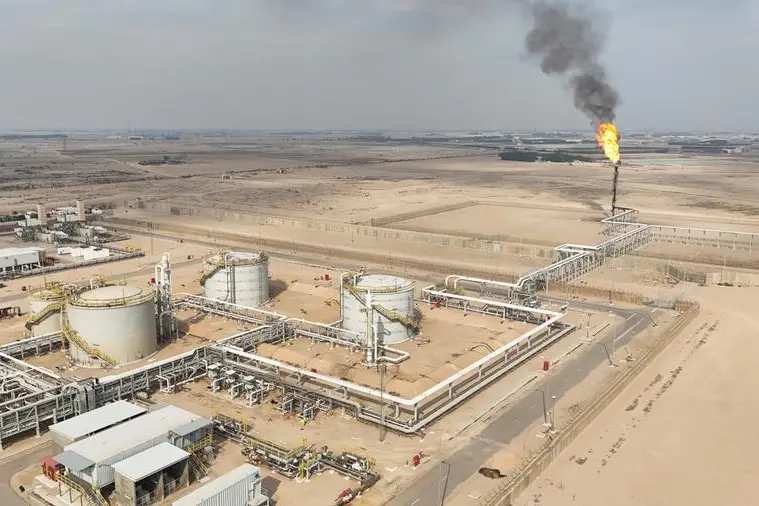
Iraq’s southern crude oil output has risen by roughly 500,000 barrels per day to reach 1.5 million bpd as more tankers arrive at export terminals, according to a document seen by Reuters and three oil officials. The increase comes days before the anticipated reopening of the Strait of Hormuz under a U.S.-Iran peace deal, a development that is expected to unleash a wave of Persian Gulf supply onto global markets.marketscreener
The production recovery marks a turnaround for Iraq’s southern fields, which account for the bulk of the country’s output. At the depths of the Hormuz crisis in late March, southern production had plunged to as low as 800,000 bpd as storage tanks filled and exports were blocked. Before the war, southern fields produced roughly 4.3 million bpd.reuters
Basim Abdul Kareem, director general of Basra Oil Company, told Iraq’s Al-Sharqiya TV that the region is now pumping about 1.5 million to 1.6 million bpd, up from around 900,000 to 1 million bpd. Iraq has restarted production at key fields including West Qurna 1, Majnoon, and Fauqi.bloomberg
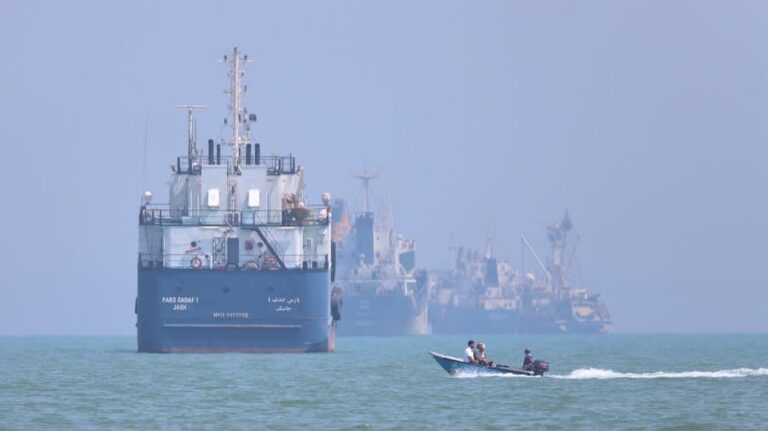
The production increase is part of a broader Gulf supply surge ahead of the strait’s expected reopening on Friday. Reuters reported Thursday that approximately 93 million barrels of non-Iranian oil could be released from the Persian Gulf once shipping resumes, according to Kpler analyst Muyu Xu. Signal Group data cited by Bloomberg shows some 62 million barrels aboard nearly 30 supertankers are set to head to Asia shortly after the reopening.reuters
However, Asian refiners may not immediately absorb the influx. Many have already secured crude supplies for June through August after sourcing oil from West Africa and the Americas during the disruption. Several Chinese refineries are scheduled for maintenance, and weak refining margins may dampen new purchases. Spot differentials for Middle Eastern crude moved to discounts on Tuesday as Gulf producers ramped up exports through ship-to-ship transfers near the UAE and Oman.yahoo
The U.S. and Iran finalized a peace accord on June 14 following more than three months of conflict, with Pakistani Prime Minister Shehbaz Sharif confirming the deal. Under its terms, the Strait of Hormuz is to reopen within 30 days, with a formal signing ceremony held in Switzerland. President Trump declared the strait would be “permanently toll-free”.theguardian
Kpler projects Indian demand for Gulf oil could recover by 400,000 to 600,000 bpd through August as refiners shift their crude slates back toward the Middle East.reuters