







Newsletter Subscribe
Enter your email address below and subscribe to our newsletter

Enter your email address below and subscribe to our newsletter
All voices matter

OPEC Secretary General Haitham al-Ghais on Thursday dismissed the International Energy Agency’s projection of a massive oil supply surplus in 2027, pushing back against the Paris-based agency’s assessment that a resolution to the US-Iran conflict could flood global markets with crude.
The remarks came as al-Ghais opened the launch of OPEC’s 20th edition World Oil Outlook at the organization’s Vienna headquarters, one day after the IEA published its monthly oil market report warning that supply could overwhelm demand by more than 5 million barrels per day next year.reuters
In its June report, the IEA forecast that global oil supply could grow by 8 million barrels per day in 2027 as Middle Eastern production recovers following a lasting resolution to hostilities, while demand growth would reach only 2 million bpd. The agency said the result would be a surplus of roughly 5.05 million bpd — a dramatic reversal from the current supply deficit of about 920,000 bpd in 2026.cnbc
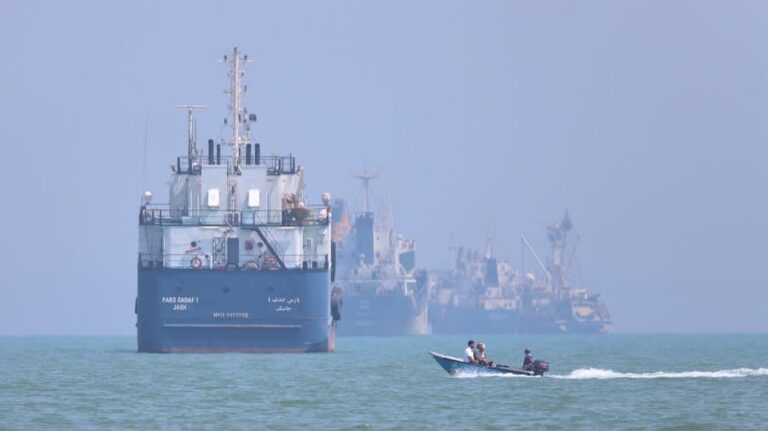
By early June, oil flows through the Strait of Hormuz had already begun recovering to approximately 12 million bpd, up from a low of 9.6 million bpd in May, according to the IEA’s data on ship-to-ship transfers in the Gulf of Oman.reuters
Al-Ghais questioned what the IEA sees that OPEC and other forecasters do not, and warned that such public projections can add to market volatility — a criticism he has leveled at the IEA before. In 2023, OPEC accused the agency of stoking “volatility” in energy markets through its calls to halt new oil investment.ft
The OPEC chief has consistently maintained a more bullish demand outlook than the IEA. Speaking at the St. Petersburg International Economic Forum earlier this month, al-Ghais said OPEC had “not registered signs” of declining oil demand and maintained the organization’s forecast for growth of 1.2 million bpd this year. OPEC’s most recent monthly report, published June 11, projected 2026 demand growth at 970,000 bpd and 2027 growth at 1.73 million bpd — well below the IEA’s supply surge estimate.reuters
The divergence between the two agencies reflects a longstanding disagreement over the trajectory of global oil consumption. While the IEA has emphasized the risks of oversupply and the accelerating energy transition, OPEC has projected oil demand continuing to rise past 120 million bpd by 2050. The current conflict-driven supply crunch — with global output falling to 94.5 million bpd in May according to the IEA — has only sharpened the debate over what a post-conflict oil market will look like.energyconnects