






Newsletter Subscribe
Enter your email address below and subscribe to our newsletter

Enter your email address below and subscribe to our newsletter
All voices matter
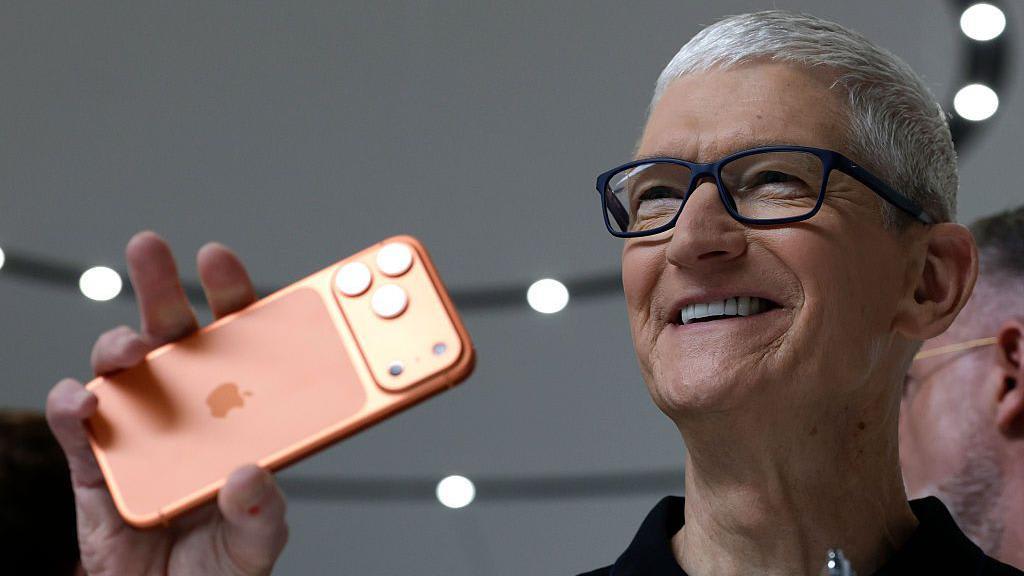
Shares of memory and storage chip makers rallied Thursday after Apple CEO Tim Cook confirmed in a Wall Street Journal interview that rising memory costs would force the company to raise product prices across its lineup.
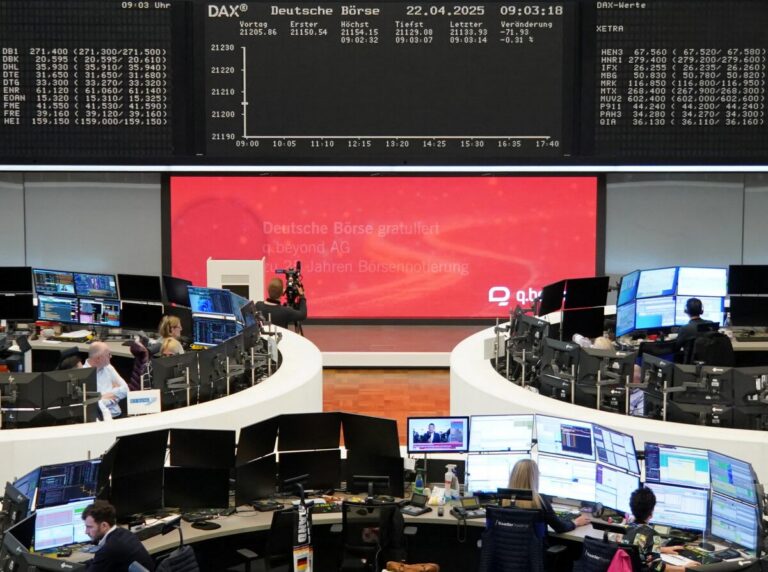
SanDisk and Micron Technology led the gains, with SanDisk up more than 9% and Micron climbing nearly 7% to hover near its 52-week high, according to market data from Yahoo Finance. Western Digital and Seagate Technology also traded higher as the sector extended a year-long rally fueled by AI-driven demand for data center components.yahoo
In the interview published Tuesday, Cook described the memory supply situation as a “hundred-year flood” and said Apple could no longer absorb the cost increases it has faced over the past year. “Unfortunately, price increases are unavoidable,” Cook told the Journal. “We’ve been trying to shield our customers from the increases, but the situation has become unsustainable.”macrumors
Cook attributed the crisis to surging demand from companies building out AI data centers, which has driven intense competition for limited supplies of DRAM and NAND flash memory chips. He added that Apple is “willing to use our balance sheet to help be a part of the solution” but has no plans to build its own memory factories.letsdatascience
The rally in memory stocks has been extraordinary. SanDisk has gained more than 4,400% over the past 52 weeks as NAND pricing entered what analysts describe as a structural shortage cycle, while Micron has added roughly 810% over the same period. Year to date, SanDisk, Micron, Seagate, and Western Digital have risen 734%, 244%, 238%, and 227%, respectively.zacks
Data from TrendForce released June 16 showed that memory contract prices surged over 100% in the first half of 2026. D.A. Davidson analyst Gil Luria noted that memory costs have risen 80-90% in 2026 alone compared with late 2025, with year-over-year increases in the triple digits. Memory components, once representing about 15% of total smartphone costs, are now expected to account for 25-30%.yahoo
Apple is not alone in feeling the pressure. Industry groups representing automakers, retailers, and electronics firms warned earlier this month that escalating memory demand could lead to dramatic price hikes across U.S. consumer goods. Samsung Electronics and SK Hynix shares also rose sharply in Seoul on Thursday as the global shortage continued to benefit producers at the expense of buyers.stocktwits