






Newsletter Subscribe
Enter your email address below and subscribe to our newsletter

Enter your email address below and subscribe to our newsletter
All voices matter
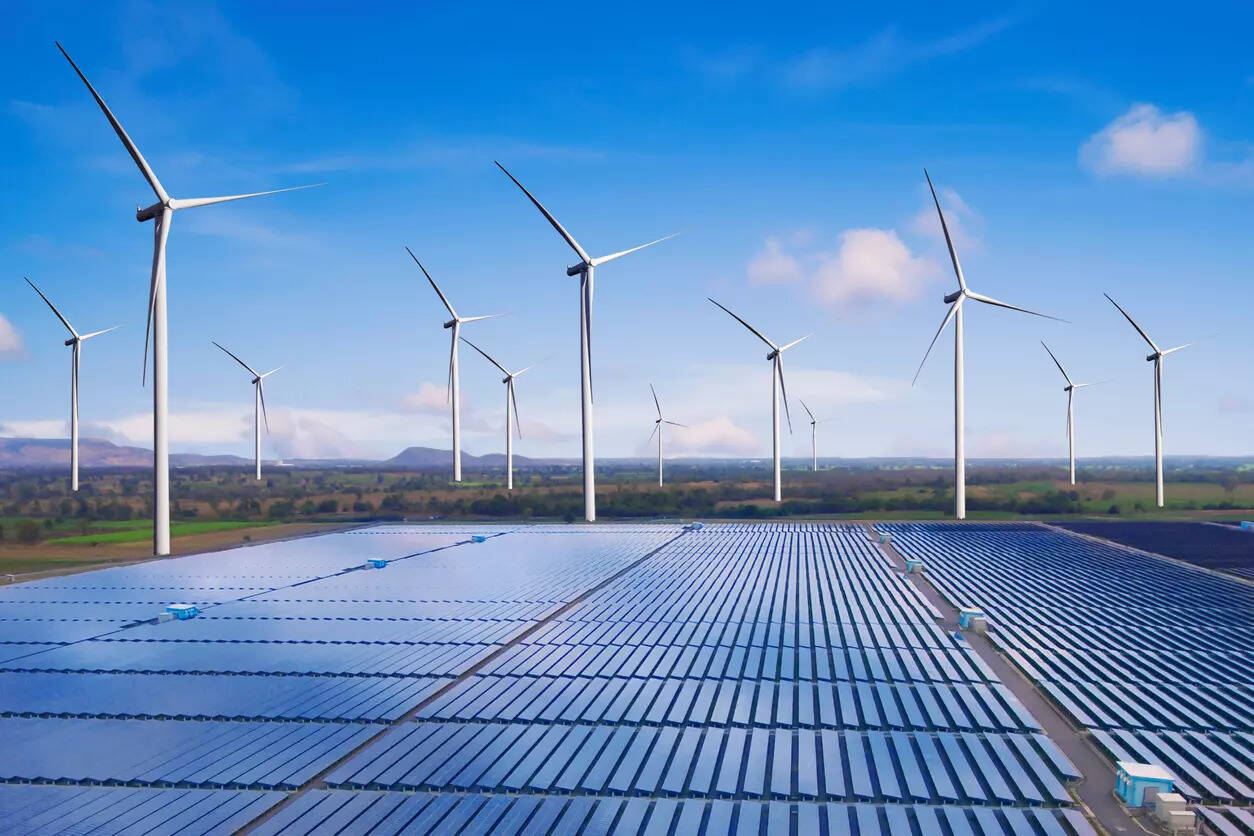
The global energy transition has stalled despite record investment, with transition readiness declining for the first time in more than a decade, according to the World Economic Forum’s Energy Transition Index 2026 released on Wednesday.
The 16th annual report, developed in collaboration with Accenture, finds that despite $3.3 trillion in total energy investment — including $2.3 trillion in clean energy — overall ETI scores remained broadly unchanged year-on-year. The research points to a growing disconnect between capital deployment and the enabling conditions needed to sustain momentum.weforum
The Middle East and North Africa region recorded a 0.9 percent decline, “as weakening policy commitment and infrastructure investment weighed on progress,” the report found. Saudi Arabia, however, emerged as the region’s standout performer, improving its overall ETI score by 1.5 percent to 57.4.arabnews
The Kingdom’s gains were driven by its National Renewable Energy Program, which aims to increase the share of renewables in electricity production to 50 percent under Vision 2030. The report cited Saudi Arabia’s investment in renewables rising from $6.6 billion in 2024 to $11.9 billion in 2025, with tenders for more than 20 gigawatts of renewable energy issued by 2025, “achieving world-leading low solar tariffs through competitive auctions”.arabnews
Sweden leads the global index with a score of 75.3, followed by Finland and Denmark, with European countries occupying all but two of the top 15 places.awazthevoice
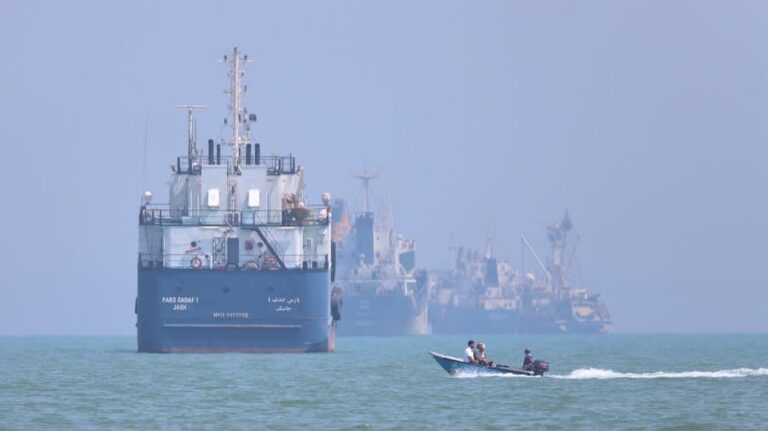
The report warns that disruption in the Strait of Hormuz is “exposing vulnerabilities in energy systems already strained by rising demand, infrastructure bottlenecks and concentrated clean-energy investment”. While the research was conducted before the current conflict with Iran, the WEF noted that the crisis underscores the need to embed security and resilience into energy system design.weforum
“The energy transition is fracturing,” said Roberto Bocca, head of the WEF’s Center for Energy and Materials. “In a more volatile geoeconomic environment, security, affordability, and resilience are central to sustaining progress”.arabnews
The WEF identified three priorities for sustaining progress: embedding resilience into energy systems from the outset, accelerating grid expansion, and restoring investability through stable policy frameworks — particularly toward emerging economies that will drive the majority of future demand growth.weforum