





Newsletter Subscribe
Enter your email address below and subscribe to our newsletter

Enter your email address below and subscribe to our newsletter
All voices matter
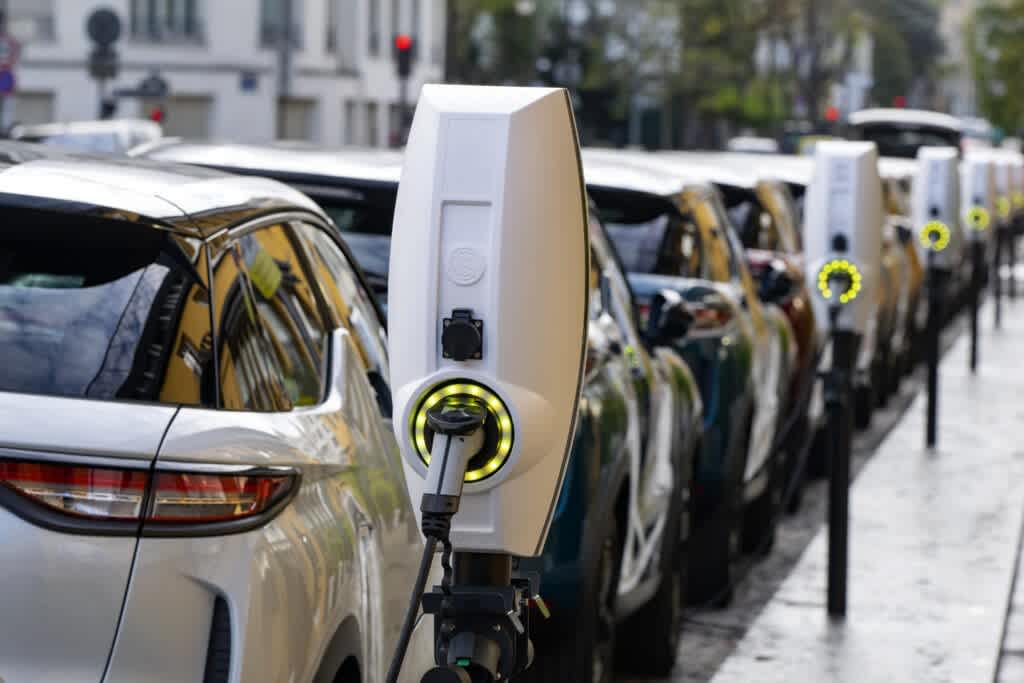
A months-long surge in European electric vehicle sales driven by the Iran war’s impact on fuel prices now faces an uncertain future, as a newly signed U.S.-Iran peace framework sends oil prices tumbling and threatens to erode the economic case for going electric.
Since the conflict began in late February, soaring petrol costs have pushed European consumers toward battery-electric vehicles at a pace not seen in years. New EV registrations across 14 key EU and European Free Trade Association markets jumped 34% year-on-year in April, according to data from the research organization New Automotive and industry group E-Mobility Europe shared with Reuters. Between January and April 2026, roughly 750,000 new fully electric cars were sold in the EU, with EVs capturing 20.6% of new registrations in April, up from 15.7% a year earlier, according to the European Commission.europa
Online platforms have reported rising searches for both new and used EVs, particularly for more affordable models from Chinese manufacturers. The New York Times reported that European EV sales climbed 27% in April compared to the prior year, even as U.S. sales declined.reuters
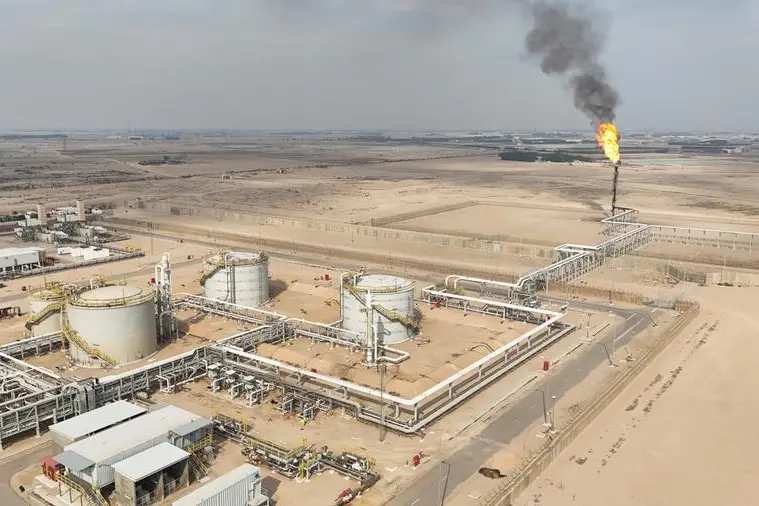
The economic incentive that powered the EV boom is now weakening. Oil prices fell to their lowest level since the war began after the U.S. and Iran signed a 14-point memorandum of understanding this week aimed at ending hostilities and reopening the Strait of Hormuz. Brent crude dropped nearly 3% on Thursday, while the deal commits Iran to permit toll-free navigation through the strait for 60 days as a broader agreement is negotiated.reuters
Goldman Sachs anticipates Gulf exports will return to pre-war levels by the end of July, with crude production rebounding by October.reuters
Analysts caution that the EV growth may not outlast lower fuel prices. Reuters reported that while the trend has benefitted Chinese EV manufacturers and prompted several automakers to consider boosting EV production, the sales surge remains closely tied to the fuel price differential. The EU’s energy commissioner previously warned that oil and gas prices would not return to normal quickly even if the war ended, but the speed of the diplomatic resolution has caught markets off guard.facebook
Still, structural factors may provide a floor. EU climate policies, stricter CO2 targets, and falling EV prices — which dropped 4% in 2025 according to Transport & Environment — continue to support the transition independent of oil markets.transportenvironment