





Newsletter Subscribe
Enter your email address below and subscribe to our newsletter

Enter your email address below and subscribe to our newsletter
All voices matter
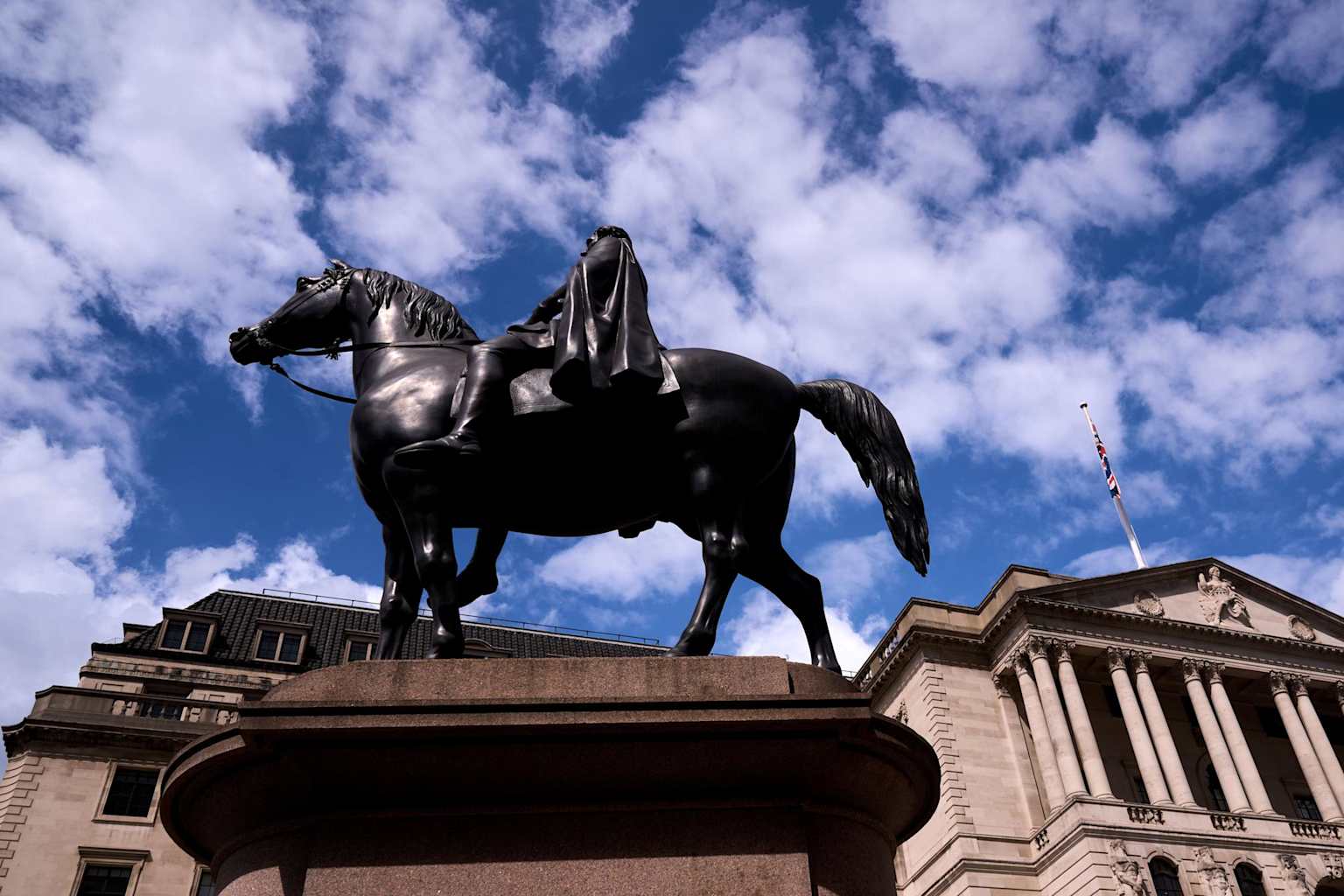
The Bank of England and the Swiss National Bank both held interest rates unchanged on Thursday, as policymakers weighed whether a fragile US-Iran ceasefire agreement would ease or prolong the inflationary pressures triggered by months of conflict in the Middle East.
The BoE’s Monetary Policy Committee voted 7–2 to maintain Bank Rate at 3.75%, marking the fourth consecutive hold since the US-Iran war began disrupting energy markets earlier this year. Two members voted for an increase, a shift from the 8–1 split at the April meeting when only one member had favored a hike. The decision came a day after the US and Iran electronically signed a memorandum of understanding extending their ceasefire for 60 days and committing to reopen the Strait of Hormuz.npr
Despite the diplomatic progress, uncertainty remains over whether the deal will translate into sustained relief on energy prices. UK CPI inflation fell to 2.8% in April from 3.3% in March, but the BoE has warned that energy-driven price pressures could persist. Bank of America economists expect the committee could raise rates in July or September if inflationary risks materialize.britsavvy
The Swiss National Bank left its policy rate at 0% — the lowest in the G10 — and slightly raised its inflation forecast to 0.6% for 2026, up from 0.5% previously. The central bank stated that monetary policy remains appropriate but that “the baseline scenario remains subject to high uncertainty, above all because the situation in the Middle East is still fragile”.tradingeconomics
In a notable evolution of language, policymakers stressed that “if necessary,” their readiness to intervene in forex markets is higher. According to Bloomberg, this added a proviso to the “increased willingness” wording the SNB has used repeatedly since the Iran war broke out. Chairman Martin Schlegel dodged questions on the reasoning behind the phrasing change. The franc weakened against the euro following the decision.investinglive
The rate decisions landed against the backdrop of a rapidly evolving diplomatic picture. The US-Iran MOU, confirmed signed Wednesday evening by Iran’s foreign ministry spokesperson, extends the April ceasefire for 60 days while the two sides negotiate on Iran’s nuclear program, sanctions relief, and a proposed $300 billion reconstruction fund. However, President Trump warned he could still resume military strikes, and the deal’s durability remains unproven. Reuters noted that four G10 central banks are already in the process of raising rates, with several more — including the Fed — signaling readiness to act should inflation rise further.reuters