







Newsletter Subscribe
Enter your email address below and subscribe to our newsletter

Enter your email address below and subscribe to our newsletter
All voices matter
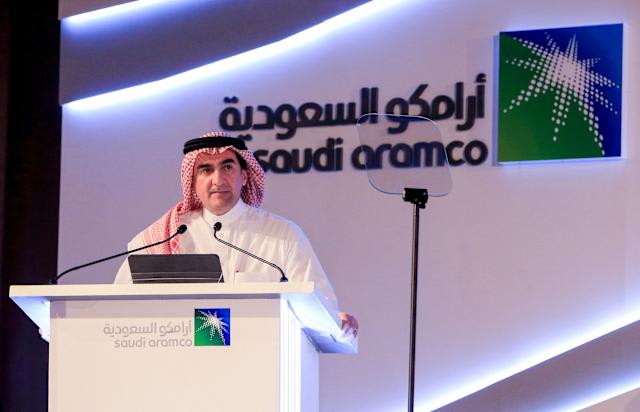
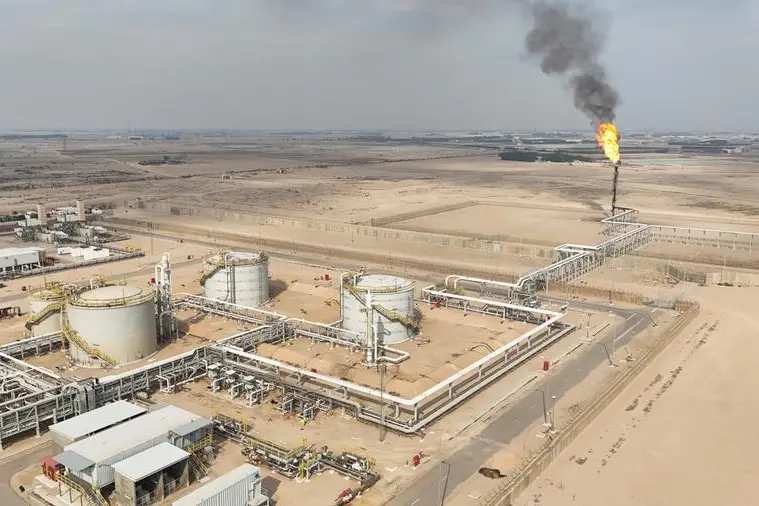
Saudi Aramco is considering a major expansion of its international oil storage infrastructure, its chairman said at the Future Investment Initiative Priority Europe Summit in Rome, as the company seeks to build resilience against the kind of supply disruptions caused by the war in Iran.
Aramco Chairman Yasir Al-Rumayyan told attendees at the FII PRIORITY Europe 2026 summit, which is being held June 17-19 at the Rome Cavalieri hotel, that the company is contemplating the establishment of larger storage capacities worldwide, with a particular focus on expanding existing facilities in Asia.fii-institute
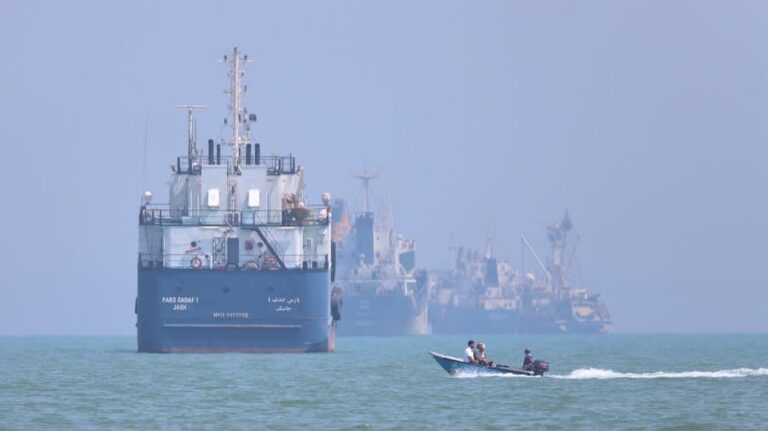
The move comes after the U.S.-Israeli conflict with Iran, which began on February 28, 2026, effectively shut down the Strait of Hormuz — the waterway through which roughly 20 percent of global oil supply transits. The International Energy Agency called it the largest supply disruption in oil market history. Iranian forces used drones, missiles, and attack boats to threaten vessels, making insurance unavailable and rendering the strait largely impassable.politico
Aramco responded by maximizing its East-West Pipeline to its 7 million barrel-per-day capacity to reroute exports to the Red Sea port of Yanbu, but the experience underscored the need for storage buffers closer to major consuming markets.reuters
Aramco already maintains oil storage infrastructure in Japan, including 13 tanks with a total capacity of 8 million barrels in Okinawa and additional capacity at ENEOS Corporation’s Kiire terminal. In November 2025, Japan extended its crude storage agreement with Aramco for another three years.argusmedia
The company’s CEO, Amin Nasser, warned in May that oil markets might not normalize until 2027 if Strait of Hormuz disruptions persist, describing the current situation as “demand rationing” rather than demand destruction.cnbc
The storage expansion strategy represents a broader rethinking of supply-chain resilience across the oil industry. A Brookings Institution analysis published in June noted that once the strait reopens, it will take months for normal market conditions to return. Meanwhile, a Reuters report from June 17 indicated Aramco is also exploring asset sales and new financing arrangements, including transactions involving its oil export terminals.brookings
Aramco’s Q1 2026 profits rose 25 percent, demonstrating the company’s ability to extract value from higher prices even as the war curtailed its export routes.instagram