





Newsletter Subscribe
Enter your email address below and subscribe to our newsletter

Enter your email address below and subscribe to our newsletter
All voices matter
The signing of a US-Iran interim peace agreement this week has sent oil prices lower and lifted global market sentiment, but top economic officials in Europe are cautioning that the damage from months of conflict-driven energy disruption will not reverse quickly. The European Central Bank and the International Monetary Fund have both warned that inflation in the euro area will remain above target well into 2028, even as crude shipments resume through the Strait of Hormuz.
ECB Governing Council member Martin Kocher has been among the most vocal policymakers warning that consumer prices will stay elevated. In remarks following the ECB’s June 11 rate hike — its first in nearly three years — Kocher said rising energy costs are weakening consumer purchasing power and increasing the risk of second-round inflation effects, where higher input costs feed into wages and services prices. He stressed that the key objective is to prevent the energy-driven price shock from becoming “permanently embedded in inflation expectations”.investinglive
The ECB raised its deposit rate by 25 basis points to 2.25% on June 11, accompanied by upwardly revised inflation projections. Staff forecasts now show headline inflation averaging 3.0% in 2026, 2.3% in 2027, and returning to the 2% target only in 2028. Core inflation, which strips out energy and food, was revised up to 2.5% for both 2026 and 2027. ECB Chief Economist Philip Lane said on Tuesday that the bank would “continue to be proactive” even after the Iran deal brought down energy prices, noting that oil remains above pre-war levels.europa
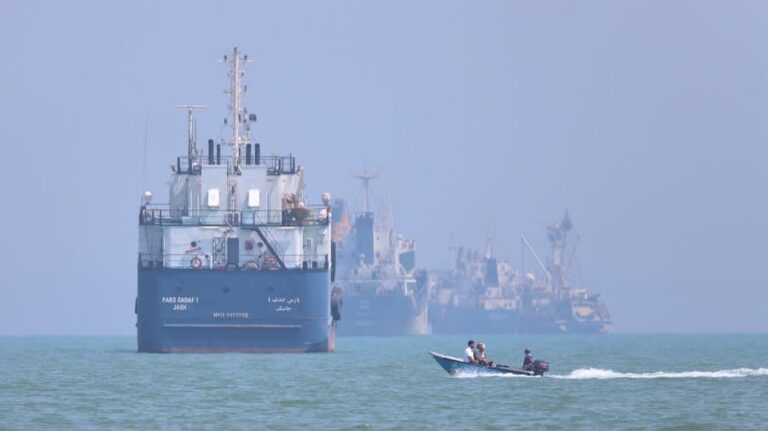
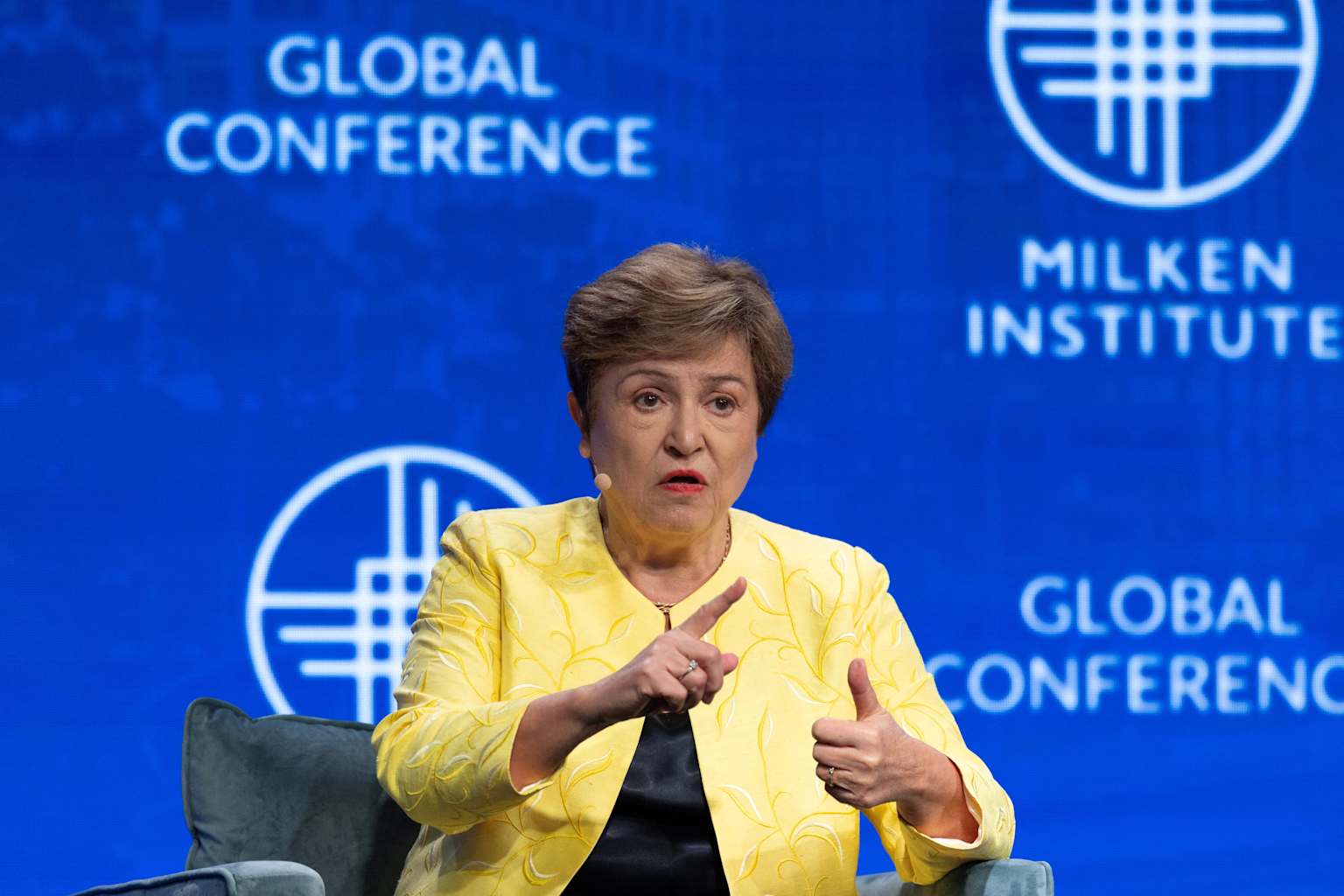
IMF Managing Director Kristalina Georgieva struck a similarly cautious tone. In a statement on Thursday, she said oil prices are likely to “ease, not plummet,” as the interim deal allows shipments to resume through the Strait of Hormuz while countries simultaneously replenish depleted reserves. She noted it will take time for shipping traffic in the strait to normalize.reuters
Earlier this week, Georgieva wrote that while the global economy “appears to be holding up” three months into the conflict, “commodity prices, inflation and expectations for it, and financial conditions have all been impacted”. She emphasized that “much hinges on the length and severity of the energy supply shock” and urged that “the quicker it is resolved, the more favorable the outcome”.reuters
Oil prices fell on Thursday after the US and Iran signed the memorandum of understanding, with Brent crude declining roughly 1-2% in early Asian trading. But prices remain well above pre-war levels — roughly 7% higher than before the US and Israel initiated military operations against Iran on February 28. Bundesbank President Joachim Nagel warned Monday that “no relief is visible in the near future,” adding that “even if the Strait of Hormuz were to reopen soon, it will take months for oil supply to normalize”.aljazeera
Eurozone inflation stood at 3.2% in May, with energy prices up 10.9% year-on-year and core inflation climbing to 2.5%. Markets are pricing in further ECB tightening later this year, with roughly 50% odds of another rate hike in September.euronews