




Newsletter Subscribe
Enter your email address below and subscribe to our newsletter

Enter your email address below and subscribe to our newsletter
All voices matter
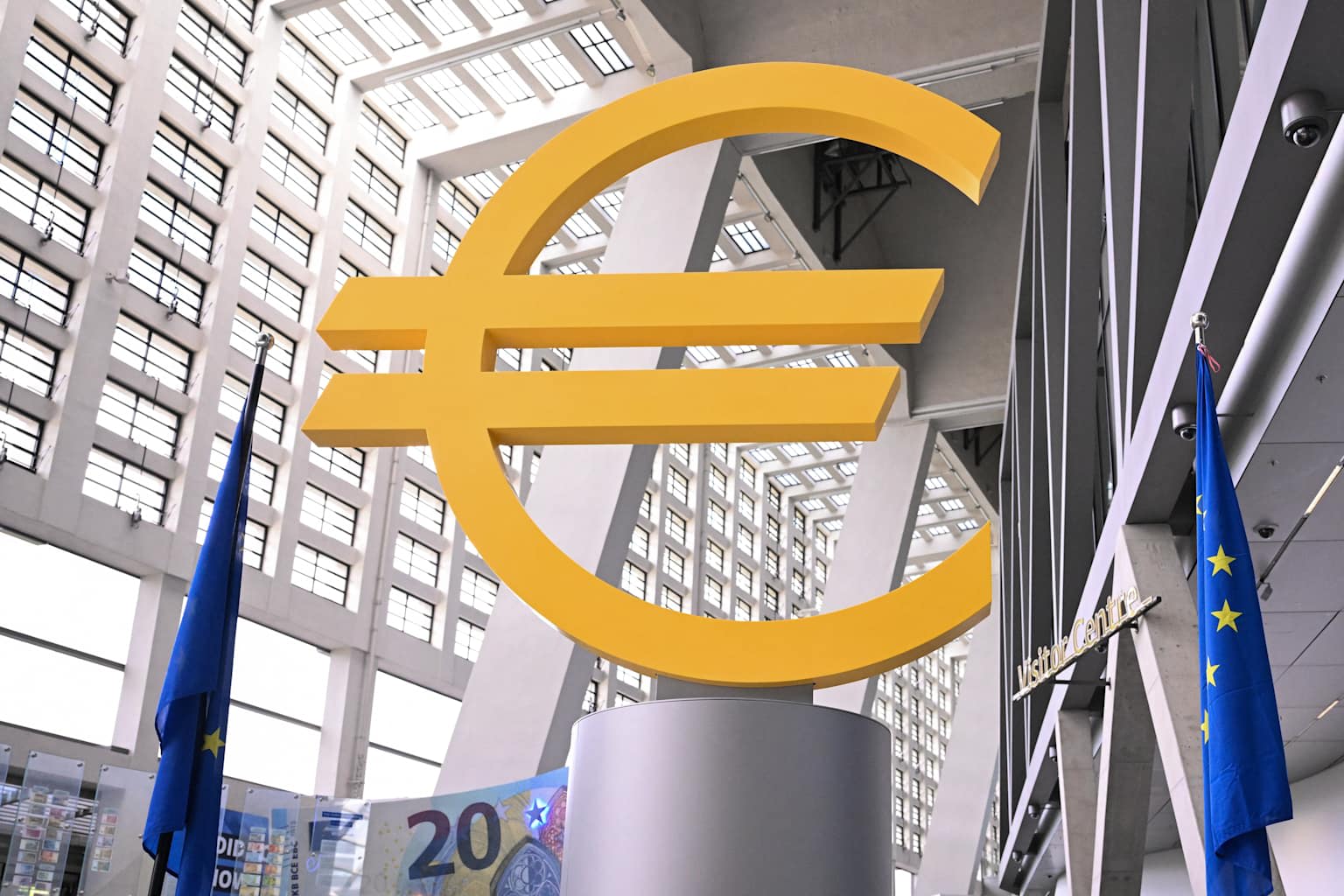
Despite a ceasefire between the United States and Iran and retreating oil prices, central banks around the world are raising interest rates as inflation from the conflict continues to ripple through their economies. In the span of a week, the Bank of Japan, the European Central Bank, and the Bank of Namibia have all hiked rates, while South Korea’s central bank has signaled it may follow.
On Tuesday, the Bank of Japan raised its policy rate by 25 basis points to 1%, the highest level since 1995, in a 7-1 vote. The decision, widely anticipated by markets, came as Japan’s core inflation forecast for 2026 was revised upward to 2.8%. Governor Kazuo Ueda was absent due to hospitalization, and Deputy Governor Shinichi Uchida conducted the post-meeting briefing, reaffirming the BOJ’s commitment to further rate increases.reuters
The move followed the ECB’s decision on June 11 to raise its deposit facility rate by 25 basis points to 2.25%, the first ECB hike since 2023. The ECB now projects eurozone headline inflation will average 3% in 2026, well above its 2% target. A Reuters survey found more than 60% of economists expect a further hike in September.europa
The Bank of Namibia announced on Wednesday that it raised its repo rate to 6.75% from 6.50%, citing the need to safeguard its currency peg to the South African rand amid imported inflation pressures. In South Korea, consumer prices accelerated to 3.1% in May, the highest in over two years, driven by a 24.2% surge in petroleum product costs. Bank of Korea Governor Shin Hyun-song warned on June 12 that inflation will remain elevated for an extended period and signaled readiness to raise rates.reuters
The IMF’s April World Economic Outlook raised its 2026 global inflation forecast to 4.4%, up 0.6 percentage points from its pre-conflict estimate, citing surging energy, food, and fertilizer costs. The World Bank’s Commodity Markets Outlook projected overall commodity prices will rise 16% in 2026, with fertilizer prices up 31% — driven by a 60% jump in urea prices linked to Strait of Hormuz disruptions — and energy prices up 24%.aljazeera
Even as Brent crude has fallen from its March peak of $118 per barrel, prices remain well above pre-conflict levels, and second-round effects are now filtering into services, wages, and food costs across developed and emerging economies alike. J.P. Morgan expects the Federal Reserve could raise rates as early as 2027 if inflation continues running above target.jpmorgan