






Newsletter Subscribe
Enter your email address below and subscribe to our newsletter

Enter your email address below and subscribe to our newsletter
All voices matter

TotalEnergies disclosed on Tuesday that its SATORP refinery in Saudi Arabia will not be fully repaired until early 2027, more than eight months after drone strikes in April damaged one of the facility’s two processing units. The announcement underscores the lasting toll that the broader Middle East conflict has taken on Gulf energy infrastructure.economictimes
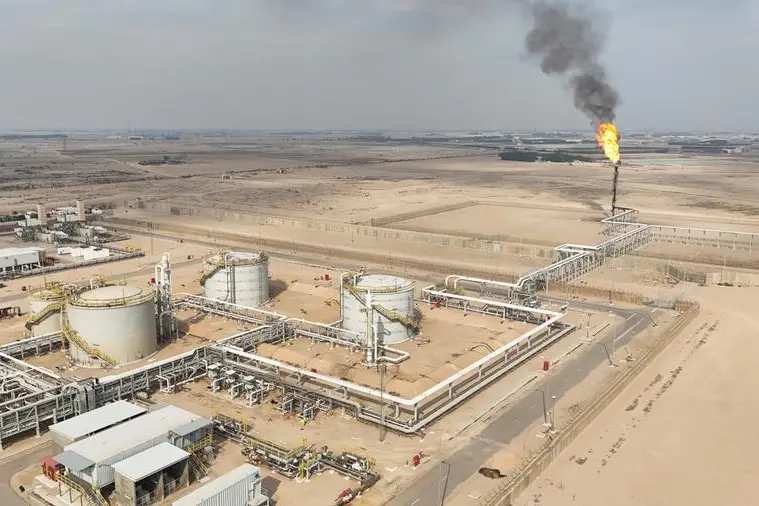
The SATORP refinery, a joint venture between Saudi Aramco (62.5%) and TotalEnergies (37.5%), is located in Jubail on Saudi Arabia’s eastern coast and has a capacity of 460,000 barrels per day. On April 8, drone strikes damaged one of the refinery’s two processing units, prompting a precautionary shutdown. TotalEnergies confirmed the damage in a statement on April 10, noting no injuries but warning of operational disruptions.reuters
The refinery has since been running at reduced capacity. CEO Patrick Pouyanné said in late April that the company would not resume full Middle East production until shipping through the Strait of Hormuz stabilized. The extended repair timeline to early 2027 reflects both the severity of the physical damage and logistical challenges in sourcing replacement equipment amid ongoing regional disruption.reuters
The SATORP delay compounds broader strains on Saudi refining capacity. Iranian drone and missile attacks since late February have cut Saudi oil output by roughly 600,000 barrels per day and reduced flow through the East-West Pipeline by approximately 700,000 bpd, according to Saudi state media citing the Ministry of Energy. Dozens of refineries, oil fields, and gas plants across the Gulf have sustained damage since the conflict began.insurancejournal
The Strait of Hormuz, closed by Iran on March 2 in retaliation for U.S.-Israeli strikes, remains effectively shut to commercial traffic, though a U.S.-Iran agreement anticipated to be signed this week could begin to restore partial tanker flows. Analysts at Kpler estimated that vessel traffic could rise to about 40 per day — roughly half of prewar levels — within 30 days of a deal taking effect.cnbc
Even with a potential reopening of the strait, Pentagon officials told the U.S. House Armed Services Committee in April that clearing mines from the waterway could take six months. War-risk insurance premiums for transiting Hormuz have surged to as much as 5 percent of hull value, compared with around 0.25 percent before the conflict. For TotalEnergies, the prolonged SATORP repair adds another constraint at a time when every barrel of Gulf refining capacity carries added weight.aljazeera