







Newsletter Subscribe
Enter your email address below and subscribe to our newsletter

Enter your email address below and subscribe to our newsletter
All voices matter
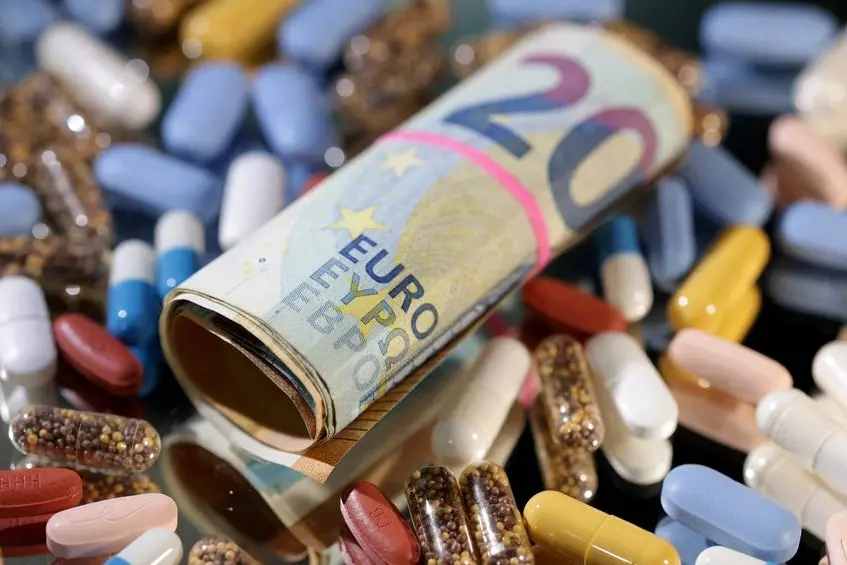
Global pharmaceutical companies are deploying a strategy honed in Britain — threatening to pull investment and withhold new medicines — to push back against European governments debating tighter controls on drug spending. The tactic marks an escalation in the standoff between the industry and policymakers over who bears the cost of innovation, with Germany now at the center of the fight.
The pressure campaign follows what critics call a capitulation by the UK government, which in April agreed to increase NHS spending on new medicines by 25 percent as part of a broader deal with Washington to avoid tariffs on pharmaceuticals. Industry sources told Reuters the UK agreement was viewed positively not just for the pricing changes but because it included commitments on innovation and patient access.kfgo
Now the industry is applying the same leverage in Berlin. Pfizer wrote last week to the German chancellor warning its investments in the country were at risk, while AstraZeneca said it may not launch new medicines in Germany if proposed legislation goes ahead. Earlier in June, Eli Lilly announced it would halve a planned 2.3 billion euro investment, and Germany-based Boehringer Ingelheim said it was scrapping 900 million euros in expansion plans.kfgo
“The industry is delighted with how the UK government folded in the face of their pressure,” Diarmaid MacDonald of Just Treatment, a UK-based patient group, told Reuters. “They would love to see others replicate that capitulation.”kfgo
The pressure appears to be working. On Monday, a government source told Reuters that Germany would scrap a proposed variable discount mechanism on pharmaceuticals in favor of a fixed discount rate, addressing industry concerns that uncertainty would deter investment. The German government’s proposed Contribution Rate Stabilisation Act, adopted by the cabinet in April, aimed to close a structural funding gap of approximately 15 billion euros in 2027 through a combination of measures including pharmaceutical cost containment expected to generate roughly 1.9 billion euros in savings.reuters
Healthcare analyst Diederik Stadig of ING Bank told Reuters the two cases were similar, though Germany’s response was more reactive. “The industry is making Europe acutely aware” of its diminishing appeal relative to the U.S. market, he said.kfgo
The tensions extend beyond Germany. In France, the national health authority in April accused drugmakers of using “coercive pressure” to influence clinical assessments, including threats to withdraw medicines from the market. In the Netherlands, the biotech lobby warned that companies were becoming more cautious about reimbursement filings. The backdrop is U.S. President Donald Trump’s most-favored-nation pricing push, which has prompted drugmakers to strike deals with the White House to lower American drug costs — adding pressure to raise prices elsewhere.reuters
Sally Gainsbury of the Nuffield Trust offered a blunt assessment: “The depressing reality is that the ‘UK playbook’ here means health systems will spend more, but will get less health benefit for their populations.”kfgo