







Newsletter Subscribe
Enter your email address below and subscribe to our newsletter

Enter your email address below and subscribe to our newsletter
All voices matter
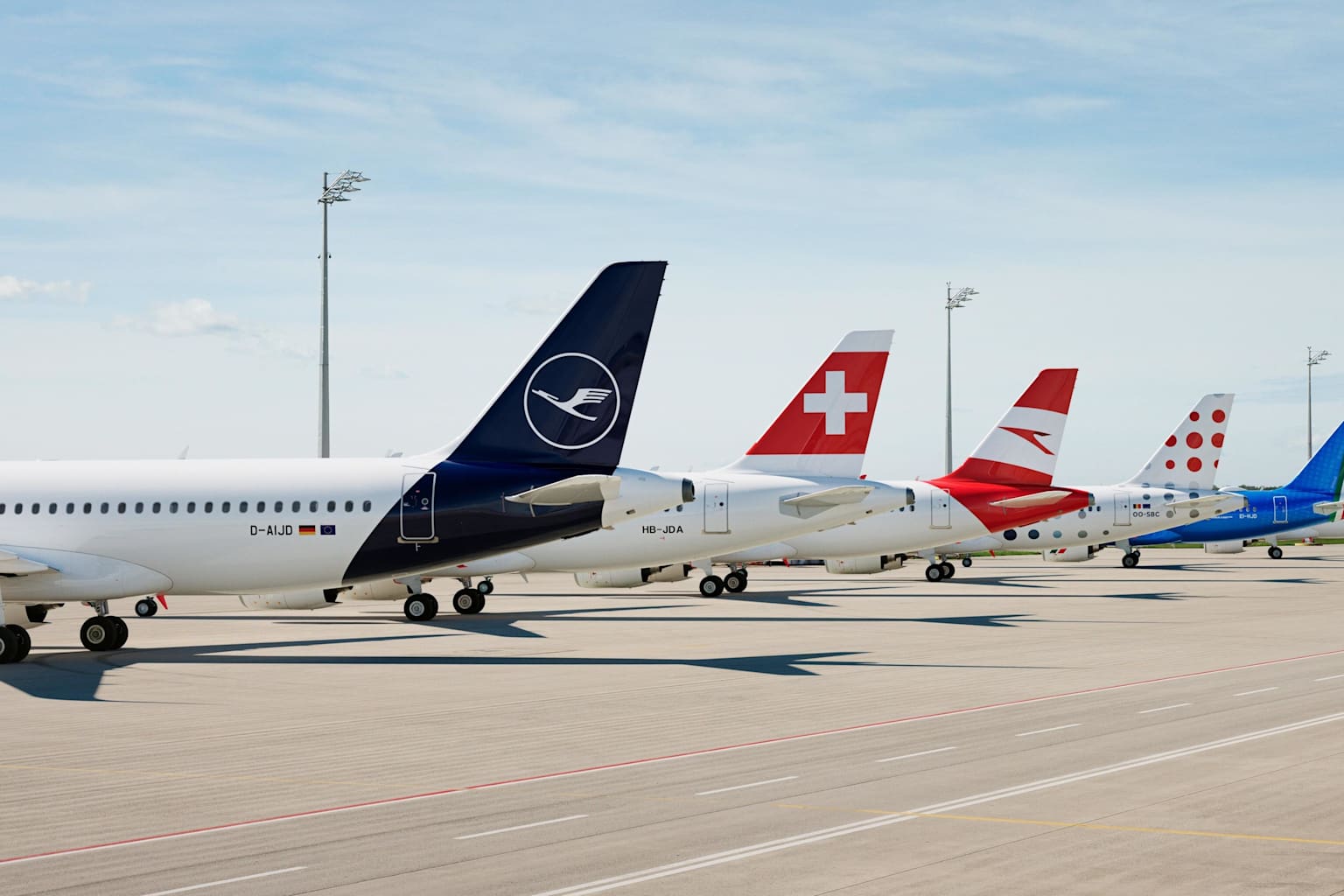
A handful of airlines are restoring service to parts of the Middle East as diplomatic momentum builds between the United States and Iran, but the majority of carriers continue to keep flights suspended months after U.S. and Israeli strikes on Iran disrupted global air travel.
According to a Reuters factbox updated on June 17, airlines are beginning to reinstate flights to various Middle East destinations as the interim U.S.-Iran agreement — designed to extend the ceasefire announced in April by another 60 days and reopen the Strait of Hormuz — moves toward formal signing in Switzerland.reuters
The Lufthansa Group has been at the forefront of the return. Austrian Airlines resumed service between Vienna and Tel Aviv on June 16 after a brief re-suspension earlier in the month, while Lufthansa and ITA Airways plan to restart Tel Aviv flights on July 1. SWISS has pushed its resumption to August 1, Eurowings expects to return by mid-July, and Brussels Airlines will remain grounded on the route until October 24. Lufthansa, SWISS, and ITA Airways are maintaining their Dubai suspensions through September 13.usnews
U.S. carriers remain far more cautious. Delta Air Lines has set September 6 as its earliest firm restart for New York-Tel Aviv service, United Airlines has extended all Middle East suspensions through at least September, and American Airlines is now targeting January 2027. Air Canada has cancelled Tel Aviv and Dubai flights through late October.wego
In a development welcomed by the travel industry, Australian Foreign Minister Penny Wong announced on Wednesday that the government had downgraded its “do not travel” advisory for the United Arab Emirates, Qatar, Bahrain, Israel, and Kuwait to “reconsider your need to travel,” citing the interim U.S.-Iran agreement.usnews
The change carries outsized importance for Gulf carriers such as Emirates, Etihad, and Qatar Airways, which had previously carried more than half of all passengers flying between Europe and Australia. Australia’s travel industry lobby had argued the blanket warning was leaving thousands of passengers uninsured and driving them toward far more expensive alternatives on Asian and North American routes.yahoo
The broader outlook remains uncertain. The interim deal still awaits formal signing, and disputes persist over key terms, including Iran’s enriched uranium stockpile and the future governance of the Strait of Hormuz. Low-cost carriers including Wizz Air have resumed some Tel Aviv operations since late May, but budget airline easyJet and others have kept Gulf routes suspended through mid-September. With airspace restrictions still partially in place and a permanent peace agreement yet to be negotiated, airlines warn that further schedule changes remain possible.timesofisrael