







Newsletter Subscribe
Enter your email address below and subscribe to our newsletter

Enter your email address below and subscribe to our newsletter
All voices matter
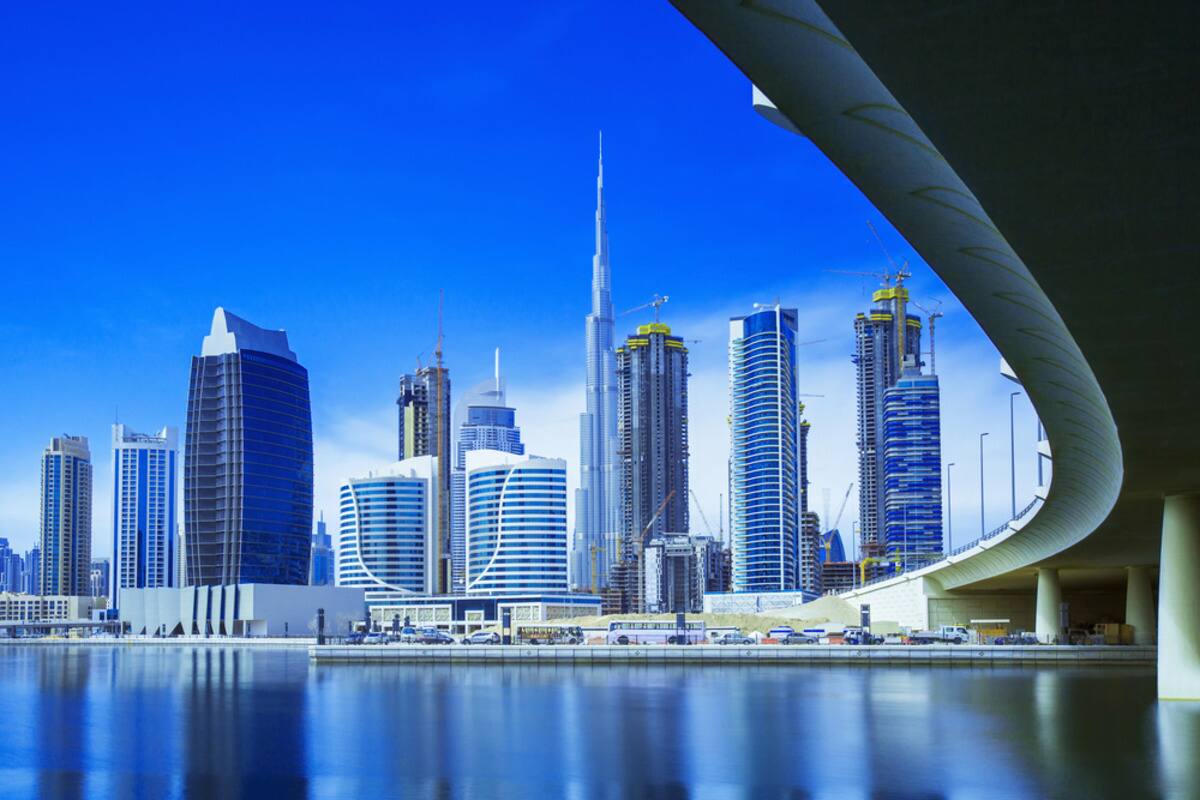
The Gulf Cooperation Council economies are projected to grow 8.1% in 2027 following a contraction caused by the closure of the Strait of Hormuz during the US-Iran war, according to a new forecast from the Institute of Chartered Accountants in England and Wales published on Tuesday.gulfbusiness
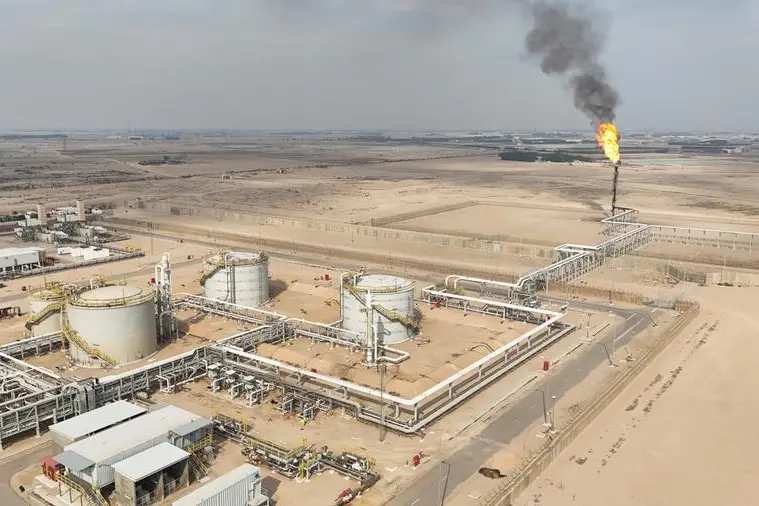
The ICAEW’s Q2 2026 Economic Insight report projects the GCC oil sector will shrink 14.5% in 2026 before rebounding 23.5% in 2027, reflecting the severe disruption to energy exports caused by the conflict and the expected recovery following the US-Iran framework peace deal signed on June 15.arabianbusiness
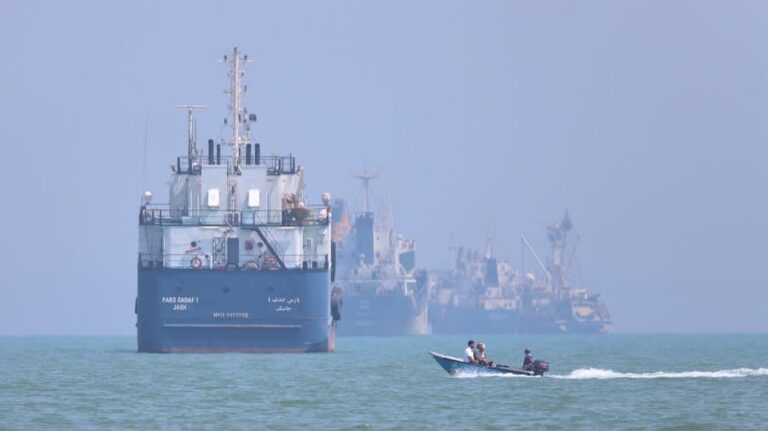
The Strait of Hormuz was effectively closed on March 4, 2026, after fighting between the United States and Iran escalated into open war. The closure stranded oil and liquefied natural gas exports from the region, sending Brent crude past $120 per barrel and choking off a critical artery for global energy supplies.dallasfed
The Dallas Federal Reserve estimated in March that an extended closure could push oil prices to $115 per barrel before a gradual decline. The disruption hit GCC producers directly, with oil activity falling sharply across the bloc.arabianbusiness
A framework agreement between Washington and Tehran, announced late on June 15, includes a 60-day ceasefire and a pathway toward reopening the Strait of Hormuz. Under the deal, Iran would be permitted to resume oil sales immediately and receive access to a $300 billion development fund, according to Bloomberg, which reviewed a final draft of the memorandum of understanding.nytimes
Oil prices have since fallen, with Brent crude futures dropping roughly 5% on each of the two days following the announcement before declining a further 1% on Wednesday. However, analysts caution that normal shipping operations through the strait will take time to resume.aljazeera
The ICAEW anticipates GDP growth across the Middle East will average 9.6% over 2026-2027 as investment returns, particularly in banking and energy. But the outlook depends on the durability of the ceasefire and the timeline for fully restoring oil flows.icaew
As the BBC reported, the repercussions of the war “may continue to influence the global economy for several months,” even with a deal in place. The Economist noted that while the agreement offers relief to international energy markets, it “does not address the underlying issues that led to the conflict between America and Iran initially”.bbc