







Newsletter Subscribe
Enter your email address below and subscribe to our newsletter

Enter your email address below and subscribe to our newsletter
All voices matter

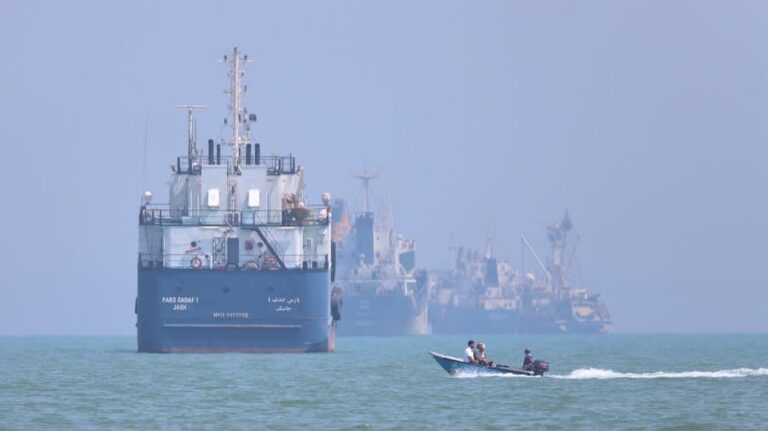
The closure of the Strait of Hormuz, triggered by the U.S.-Israel conflict with Iran that began on February 28, has cascaded into a full-scale global supply chain crisis now in its fourth month, with freight rates surging, fuel prices spiking across continents, and warnings of a looming food crisis intensifying.
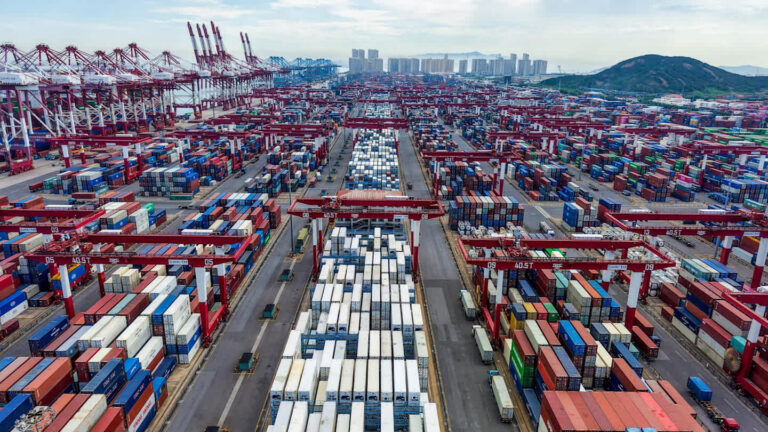
Asia-UAE freight rates have surged from approximately $1,000 to $7,000 per container as shipping companies are forced to reroute around the effectively closed strait. According to Reuters, the cost of shipping a container from Asia to the United States has doubled since the conflict began, with spot prices from Shanghai to Los Angeles reaching $4,565 and Shanghai to New York hitting $5,505 per 40-foot container. Bunker fuel prices have risen 55%, compounding the burden on carriers and importers alike.reuters
Xeneta, the freight analytics platform, reported that rates from China to Jebel Ali — the Gulf’s largest container port — approached $6,000 per 40-foot container, up more than 270% since the end of February. Carriers have imposed layers of emergency surcharges, including war risk premiums of up to $2,000 per container on certain routes.xeneta
India’s MSME exporters face acute liquidity stress as freight and insurance costs consume margins on shipments to West Asia. The Indian government launched a relief program called RELIEF — Resilience & Logistics Intervention for Export Facilitation — offering up to 50% reimbursement on extraordinary freight costs for eligible MSME exporters, with a cap of 50 lakh rupees per exporter. Deutsche Welle reported that the additional burden from freight, logistics, and insurance could account for $30 million to $60 million for affected sectors including Kerala’s spice trade and Morbi’s ceramics industry.dw
In Ghana, fuel prices have risen sharply since the conflict began. Diesel climbed roughly 45% compared to January 2026 levels by mid-April, and the government announced plans to cut fuel taxes and levies to cushion consumers. Reuters reported that Ghanaian authorities would suspend certain taxes for four weeks while assessing the evolving situation.reuters
The UN Food and Agriculture Organization’s chief economist Máximo Torero warned this week that Strait of Hormuz disruptions risk triggering a food crisis. Torero told Anadolu that oil prices have risen 50%, natural gas 25%, and urea prices 55% due to the conflict, while corn is up 9%, soybeans 25%, and wheat 8%. “We run a high probability of facing a significant food crisis if this is not resolved now,” Torero said, noting that nearly one-third of essential agricultural inputs have been affected by disruptions linked to the waterway.yenisafak
The World Bank’s latest food security update confirmed that agricultural price indices rose 8% due to disruptions to oil, gas, and fertilizer flows through the strait, with urea prices spiking 46% in a single month. The FAO Food Price Index averaged 130.8 points in May 2026, remaining broadly stable after consecutive monthly increases earlier in the year, but analysts warn the worst effects on food prices may take six to 12 months to fully materialize.foodingredientsfirst