







Newsletter Subscribe
Enter your email address below and subscribe to our newsletter

Enter your email address below and subscribe to our newsletter
All voices matter
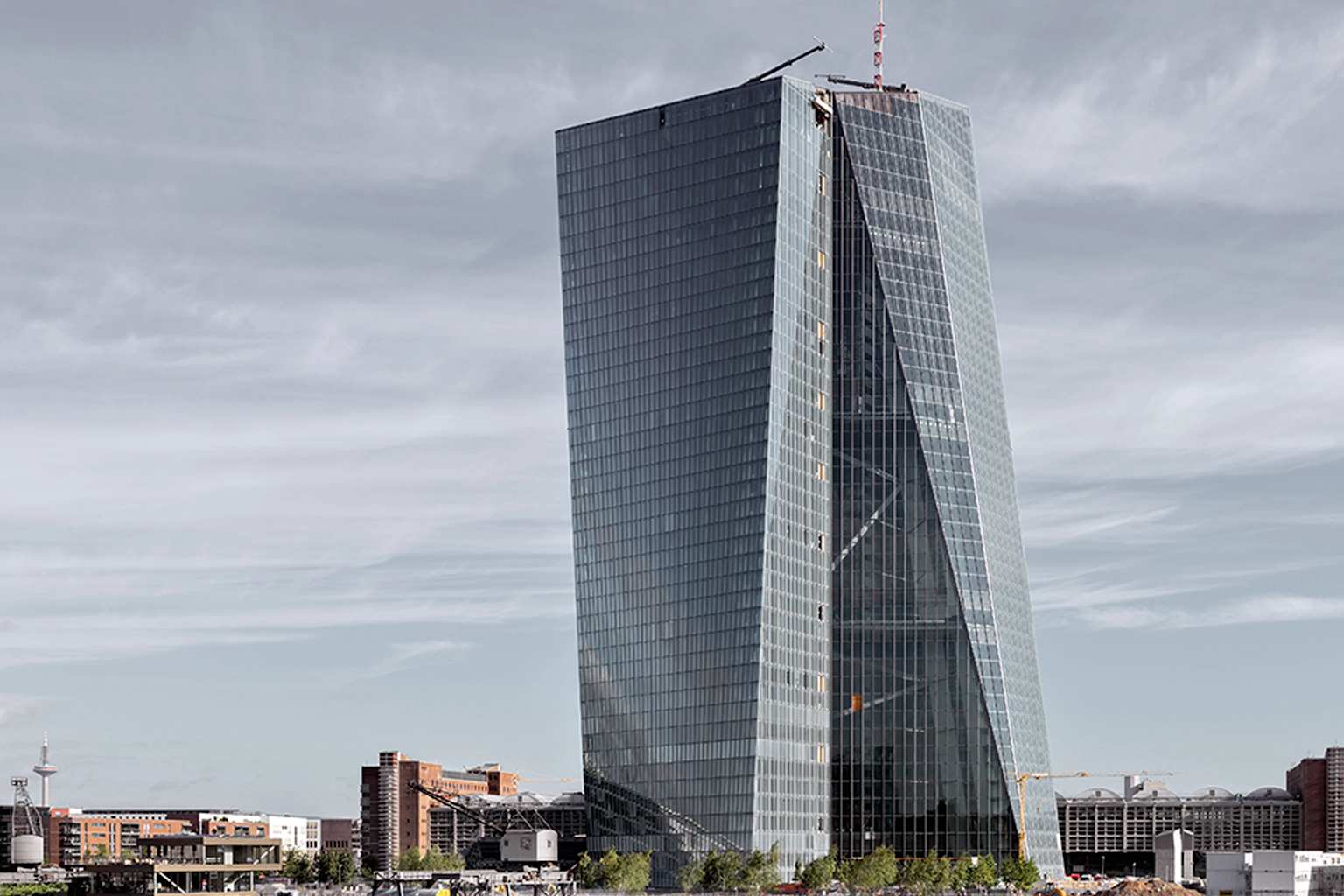
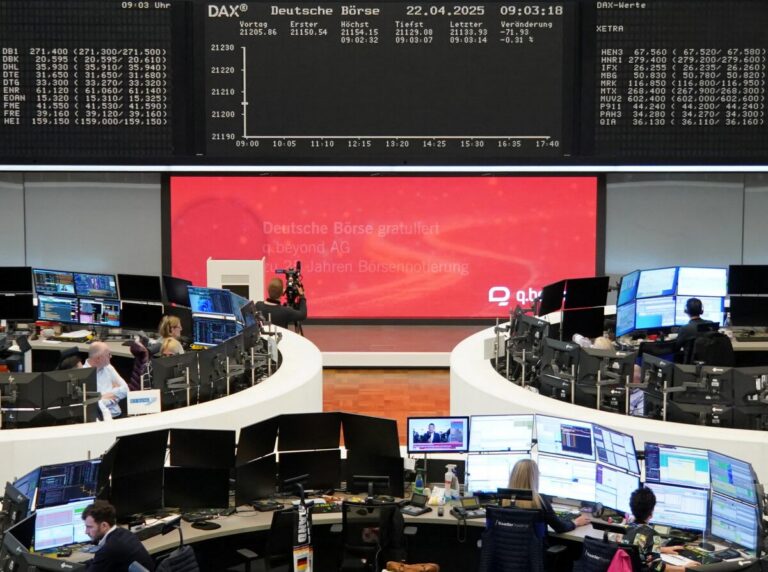
The European Central Bank released its latest wage tracker on Wednesday, showing negotiated wage growth in the euro zone is on track to slow to around 2.6% by end-2026, down from 3.0% in 2025. The projection was unchanged from the previous data release, offering policymakers a measure of reassurance that the energy-price surge triggered by the Middle East conflict has not set off a fresh spiral of accelerating pay demands.
The updated tracker, scheduled for release at 10:00 CET according to the ECB’s statistical calendar, covers active collective bargaining agreements and extends the forward-looking horizon through end-2026. The ECB’s headline measure, which smooths one-off payments over time, projects wage growth of 2.3% for 2026, while the indicator excluding one-off payments points to 2.6%. The quarterly profile shows growth of 1.8% in the first quarter, 2.1% in the second, and 2.6% in both the third and fourth quarters.europa
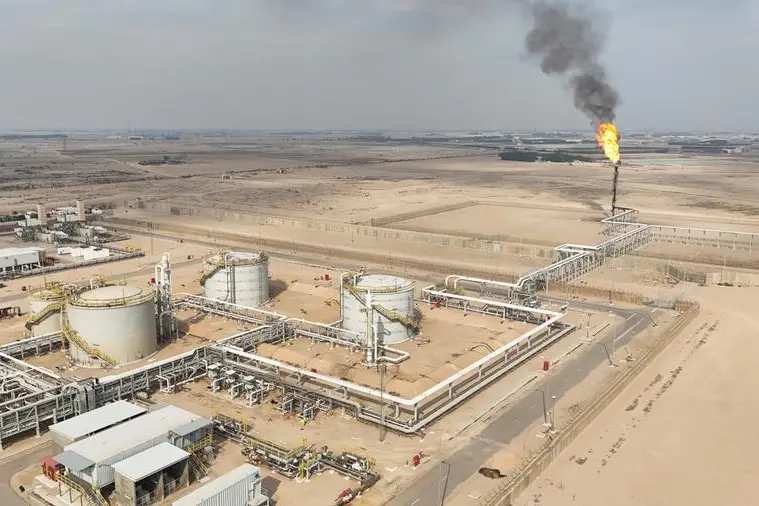
The stability of the forecasts is notable given the backdrop. Oil prices have exceeded $100 per barrel amid the Iran conflict, pushing euro zone headline inflation to 3.0% in April and an expected 3.4% in May. Yet wage settlements have not responded in kind, with actual negotiated wages rising just 2.46% year-on-year in the first quarter of 2026.reuters
The wage data lands at a pivotal moment for the ECB, which is widely expected to raise interest rates by 25 basis points at its upcoming meeting. Executive board member Isabel Schnabel told Reuters in a recent interview that “a rate hike in June will be needed” given the energy shock working its way through the economy. ECB board member Piero Cipollone had previously highlighted the wage tracker’s findings as evidence that second-round effects remained contained.wsj
Economists broadly view wage growth between 2% and 3% as consistent with the ECB’s 2% inflation target over the medium term. The moderation from the 4.9% pace recorded in 2024 reflects fading one-off bonus payments that were prevalent during the post-pandemic recovery. As Il Sole 24 Ore reported Wednesday, the ECB expects the technical effect of those one-off payments to nearly vanish during 2026.ilsole24ore
The European Commission last month cut its 2026 GDP growth forecast to 0.9% and raised its inflation projection to 3.0%, citing the Middle East energy shock. Some economists, including Martin Wolburg at Generali Investments, see inflation reaching as high as 3.2% over the next 12 months. The central question for policymakers is whether persistently elevated energy costs will eventually feed into wage demands in upcoming bargaining rounds — or whether the current moderation will hold.morningstar