







Newsletter Subscribe
Enter your email address below and subscribe to our newsletter

Enter your email address below and subscribe to our newsletter
All voices matter
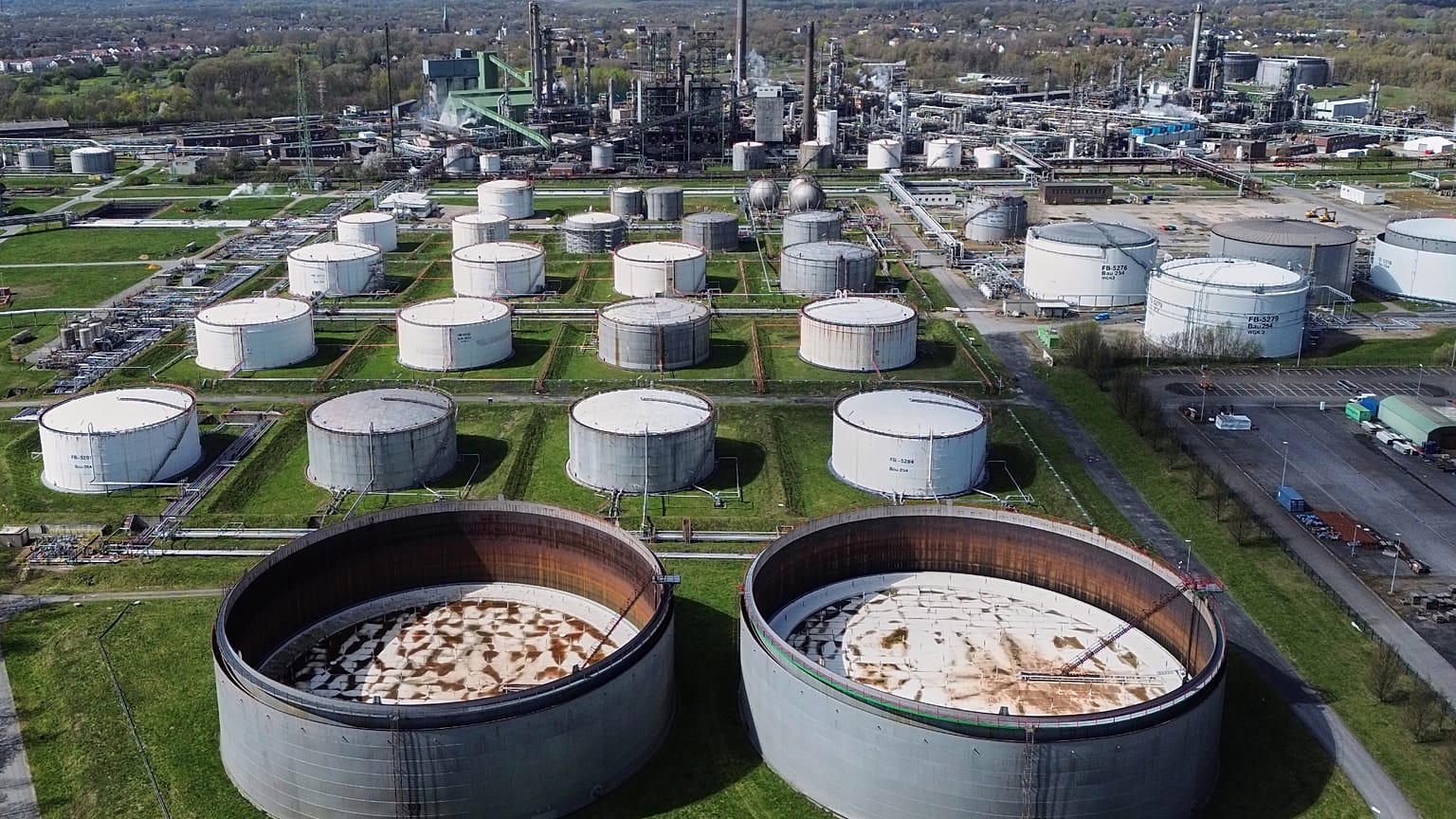
Oil inventories held by OECD member countries fell in May to their lowest level since 1990 as governments drew down strategic reserves to offset the loss of Gulf crude shipments during the war between the United States, Israel, and Iran, the International Energy Agency said on Wednesday in its monthly report.euronews
The drawdown since the start of the conflict on February 28 has reached 163 million barrels across the OECD group of wealthy nations, the IEA said. Global stockpiles decreased by 143 million barrels in May alone, following a 74 million barrel decline in April.rte
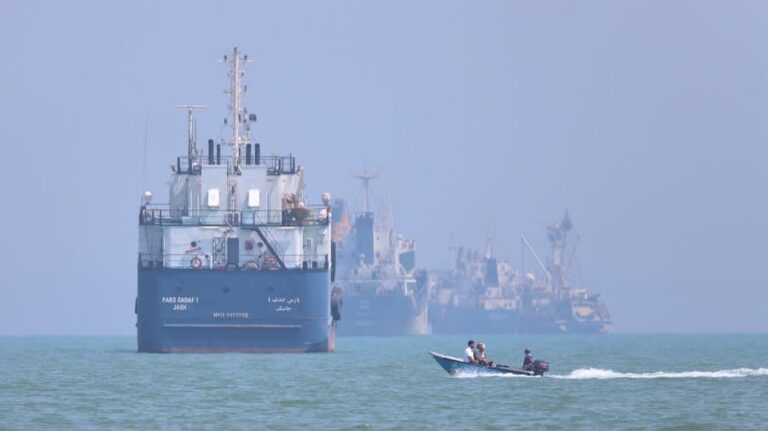
The IEA warned that “continued declines in the upcoming months could push global oil stocks to historic lows before the market shifts to a surplus by the end of the year”. The effective closure of the Strait of Hormuz — which normally carries about 20% of the world’s crude oil — has removed an estimated 14 million barrels per day of production from countries dependent on the waterway, which the IEA has called “the largest supply disruption in the history of the global oil market”.brookings
The IEA coordinated the release of 400 million barrels from strategic reserves in March, the largest such intervention in the agency’s history. But that release has been dwarfed by cumulative supply losses that Fortune estimated had already exceeded 1 billion barrels by mid-May. The U.S. Energy Information Administration projected that OECD inventories could decline to below 2.3 billion barrels by December.reuters
In May, Capital Economics warned that if stockpiles continued falling at the same pace, oil prices could undergo a “non-linear” adjustment, potentially reaching $130 to $140 a barrel. Neil Chapman, senior vice president at ExxonMobil, said at the Bernstein conference that crude could reach $150 or $160 if inventories hit critical lows.fortune
The inventory report comes as markets grow increasingly confident that the worst of the supply disruption is ending. On June 15, President Donald Trump and Iranian officials signed a memorandum of understanding to end hostilities, extend the ceasefire for 60 days, and reopen the Strait of Hormuz. Oil prices fell below $80 per barrel on Wednesday as traders priced in a return of Gulf oil flows.cnn
However, the IEA cautioned that a full restoration of flows will take months. The agency now forecasts global supply falling 3.9 million barrels per day year-on-year in 2026, with Brent crude averaging around $90 for the year before easing to $85 by year-end. CaixaBank Research’s baseline scenario projects a gradual moderation, with Brent falling to around $85 by December and averaging close to $80 in 2027.eia