







Newsletter Subscribe
Enter your email address below and subscribe to our newsletter

Enter your email address below and subscribe to our newsletter
All voices matter
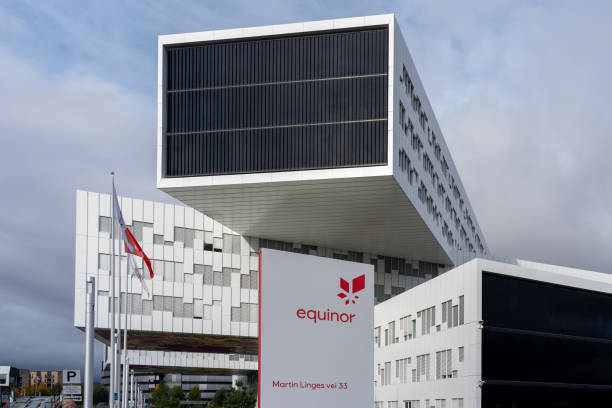
Equinor, the Norwegian state-controlled oil and gas group, has dropped its 2030 installed renewable energy capacity target entirely, marking the latest in a series of retreats from green energy commitments that began in early 2025. The company announced the decision on Tuesday at its Capital Markets Day in what it described as a strategic update on the company’s long-term direction.lse
The move represents the culmination of more than a year of scaling back. In June 2021, Equinor set an ambition to reach 12 to 16 gigawatts of installed renewable capacity by 2030 and pledged to direct more than 50 percent of its capital expenditure toward renewables and low-carbon solutions by the same date. In February 2025, citing “industry headwinds,” the company reduced the capacity target to 10 to 12 gigawatts and scrapped the 50 percent spending pledge altogether, while halving near-term renewable investment to $5 billion. In early 2026, Equinor further weakened its net carbon intensity reduction ambitions to 5-15 percent by 2030, down from a previous 15-20 percent range.yahoo
Now, with the capacity target eliminated, Equinor’s transition plan language speaks only of “executing on our existing renewables pipeline and pursuing growth subject to value-creating opportunities and enabling policies,” with no numeric installed capacity goal for the end of the decade.equinor
The strategic shift comes as Equinor benefits from elevated oil and gas prices driven by conflict in the Middle East. On Tuesday, the company also announced it would double its 2026 share buyback program to $3 billion, up from $1.5 billion planned earlier this year, and set a target for annual buybacks of $2 billion to $4 billion from 2027 onward.reuters
CEO Anders Opedal has previously cited inadequate profitability in renewables and a lack of “value-creating opportunities” as reasons for pulling back, while geopolitical tensions have led governments to prioritize defense spending over energy transition investments.nasdaq
Equinor follows peers BP and Shell, which have also trimmed plans to expand in renewable energy, particularly offshore wind, where European majors once hoped to leverage their offshore operational expertise. At the end of 2025, Equinor had just 3.0 gigawatts of installed renewable capacity, with large projects including Dogger Bank and Empire Wind 1 still under construction.reuters