







Newsletter Subscribe
Enter your email address below and subscribe to our newsletter

Enter your email address below and subscribe to our newsletter
All voices matter
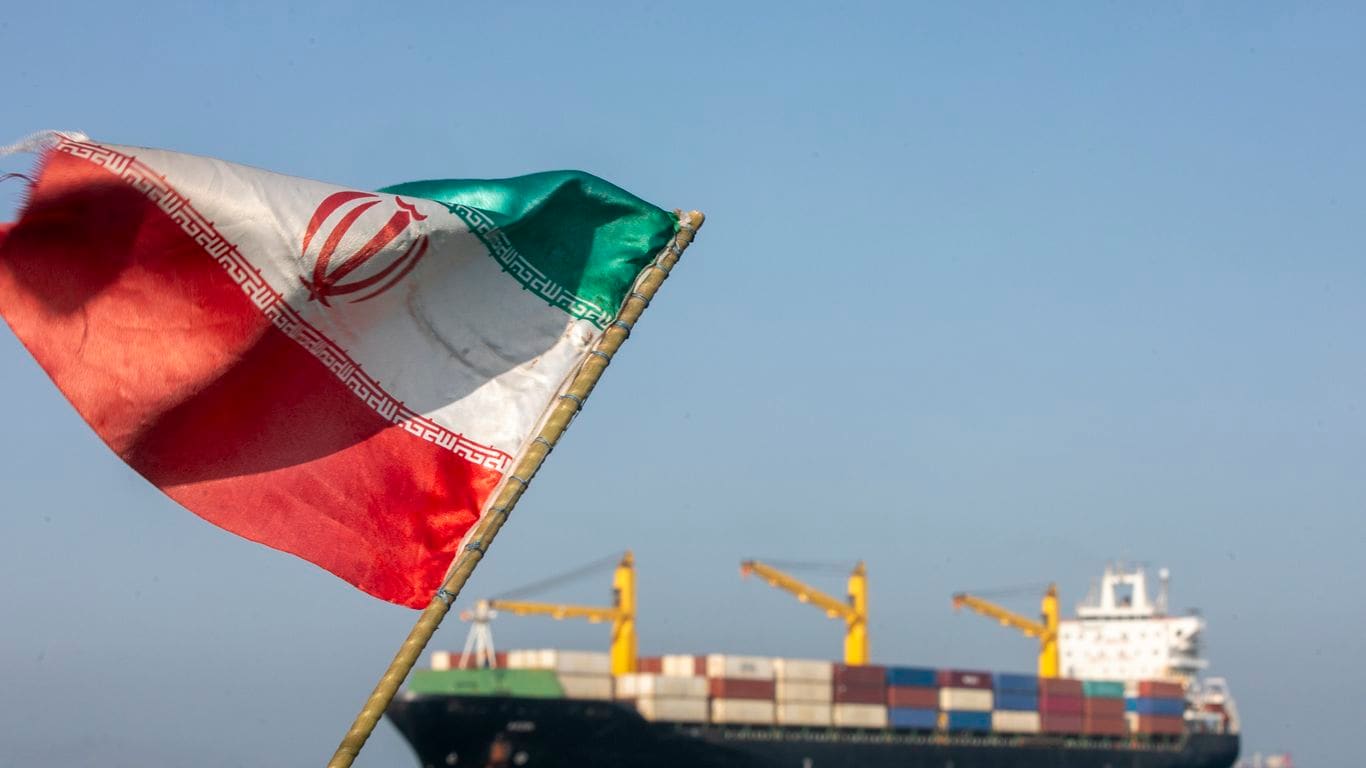
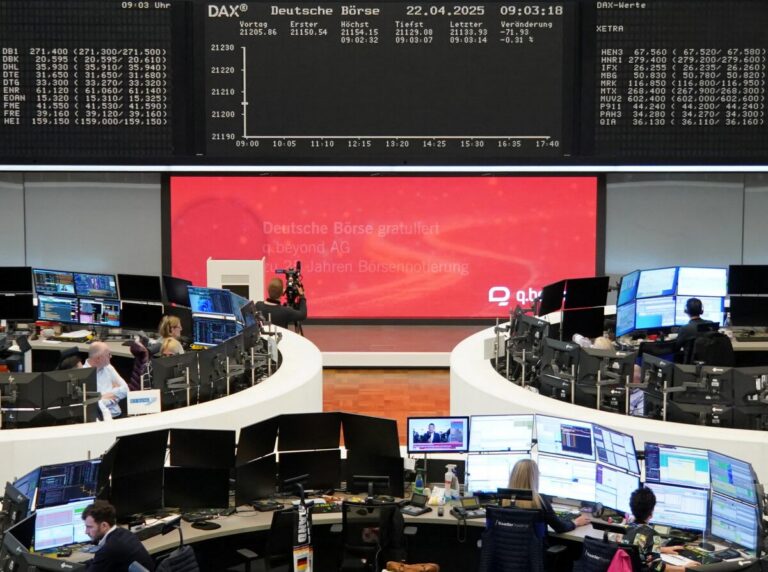
Emerging market equities surged toward record territory on Monday after the United States and Iran reached a preliminary agreement to end their three-month war and reopen the Strait of Hormuz, though investor optimism moderated on Tuesday as markets awaited details on the accord’s implementation.
The deal, announced on Sunday by President Donald Trump and confirmed by Iranian officials, sent oil prices tumbling to their lowest level since March and triggered broad gains across developing-world assets. Brent crude fell nearly 5% on Monday to settle around $83 a barrel, while West Texas Intermediate dropped to approximately $81. The Philippine peso led Asian currency gains, rising more than 1.4% against the dollar on Monday, while the Indian rupee climbed to a seven-week high near 94.46 per dollar. The Indonesian rupiah also strengthened notably.nypost
The MSCI Emerging Markets Index, which had already gained roughly 14% this year through early May on the back of Asian technology stocks, extended its rally as oil-importing economies benefited from the prospect of cheaper energy. The S&P 500 rose 1.7% and the Nasdaq 100 surged 3.1% on Monday.yahoo
By Tuesday, however, the euphoria faded. According to Reuters, the global stock rally “seemed to moderate” as investors awaited further clarification on the deal’s terms and looked for signs it would meaningfully restore tanker traffic. The Indian rupee gave back some gains, finishing Tuesday at 94.56 per dollar after touching an intraday peak of 94.4950. Brent crude edged below $82 but remained above $80.reuters
The memorandum of understanding, electronically signed on Sunday and set for a formal ceremony Friday in Switzerland, extends the US-Iran ceasefire for 60 days while both sides negotiate over Iran’s nuclear program and sanctions relief. Trump said the strait was “already partially opened” and mentioned mine-clearing operations.apnews
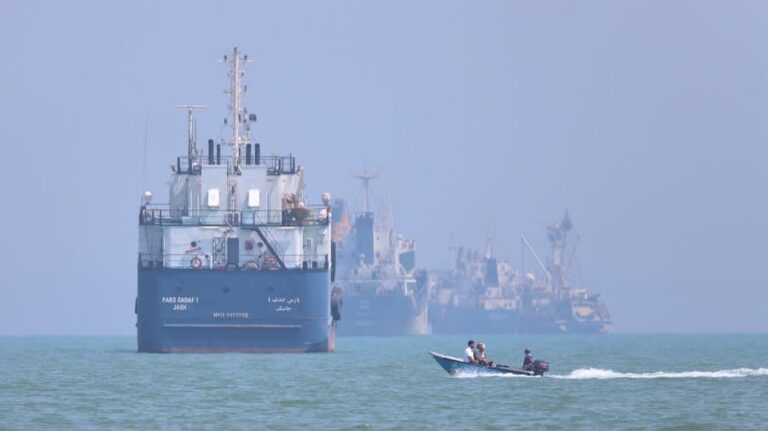
Shipping executives and maritime security experts cautioned that physical restoration of normal trade could take far longer than markets appear to be pricing in. Western security sources estimated 40 to 50 days of mine-sweeping operations before insurers and oil companies would consider the route safe enough for regular transit. More than 480 vessels remained trapped in the Gulf region, and analysts at Kpler estimated it could take four to eight weeks for full traffic to resume.theglobeandmail
“Clearance of mines is essential for normal operations to resume,” shipping officials said. War-risk insurance premiums, which had surged to as much as 5% of hull value during the conflict, are unlikely to normalize quickly even with a confirmed peace agreement.thenationalnews