






Newsletter Subscribe
Enter your email address below and subscribe to our newsletter

Enter your email address below and subscribe to our newsletter
All voices matter
Major corporations across sectors warned on Tuesday that the combined effects of the Iran war and U.S. tariffs have created one of the most unpredictable business environments in recent memory, with cost pressures and supply chain disruptions expected to linger well into next year.
Consumer goods giant Reckitt, diamond producer De Beers, and brewer Carlsberg all said Tuesday that the Iran conflict and U.S. trade levies were squeezing margins and clouding their outlooks. Reckitt CEO Kris Licht noted that while demand for self-care products remains robust, certain U.S. consumers are feeling heightened pressure, particularly at the gas pump. De Beers CEO Al Cook told Reuters he believes “there has been lasting damage” from both the war and tariffs.newsbreak
Carlsberg CEO Jacob Aarup-Andersen had previously warned that ripple effects on supply chains and commodities would likely last for most of 2026, even with a resolution to the conflict. “We’re planning for a continued crisis for the rest of the year,” he said.rte
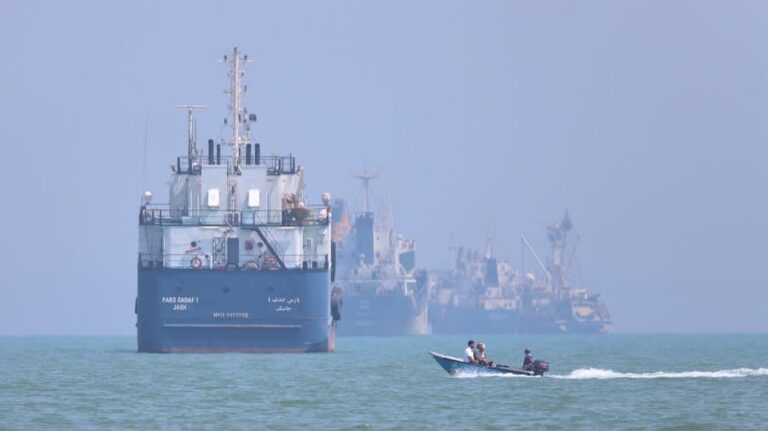
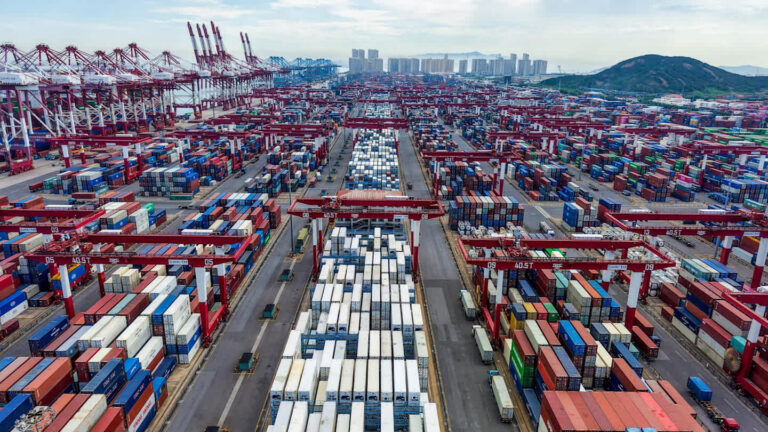
The Iran war, which began with U.S.-Israeli strikes on Iran on February 28, effectively closed the Strait of Hormuz, cutting off roughly 20 percent of global oil and gas supply. An estimated one billion barrels of crude and refined products have been lost from Middle Eastern suppliers, while about 20 percent of global liquefied natural gas supply remains trapped in the passage between Iran and Oman. Container shipping costs from Asia to the United States have doubled since the start of the conflict, according to Reuters.reuters
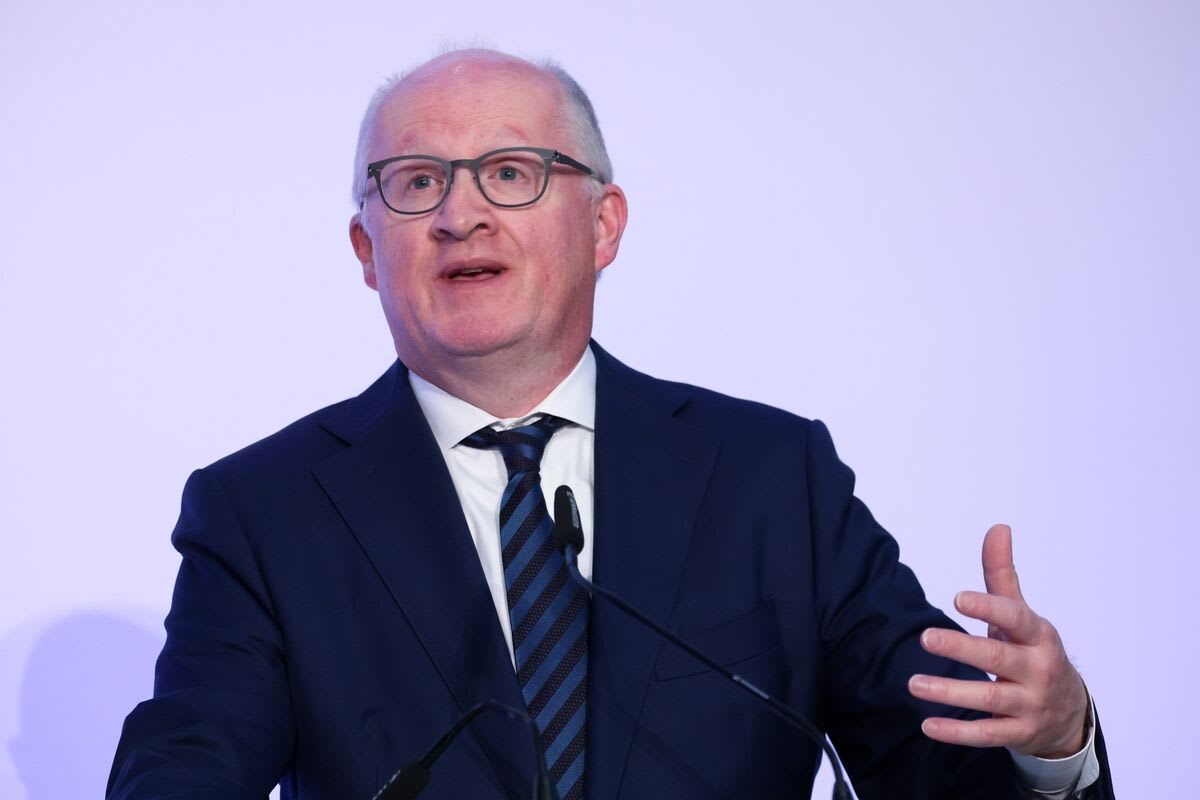
A U.S.-Iran peace deal expected to be signed as soon as Friday could help reopen the Strait, and Brent crude futures have already fallen in response. But the European Central Bank’s chief economist Philip Lane cautioned Tuesday that the damage is already baked in. “What we currently foresee is that inflation above 3% is already in the pipeline, with a long variable lag,” he said at a Reuters event in London. The ECB raised interest rates last week for the first time in nearly three years, lifting its deposit rate to 2.25 percent.bloomberg
Meanwhile, President Donald Trump’s renewed focus on tariffs adds further uncertainty. The administration has proposed tariffs starting at 12.5 percent on imports from Japan, China, and India, while Trump has threatened a 100 percent tax on French wine ahead of the G7 Summit.cnn
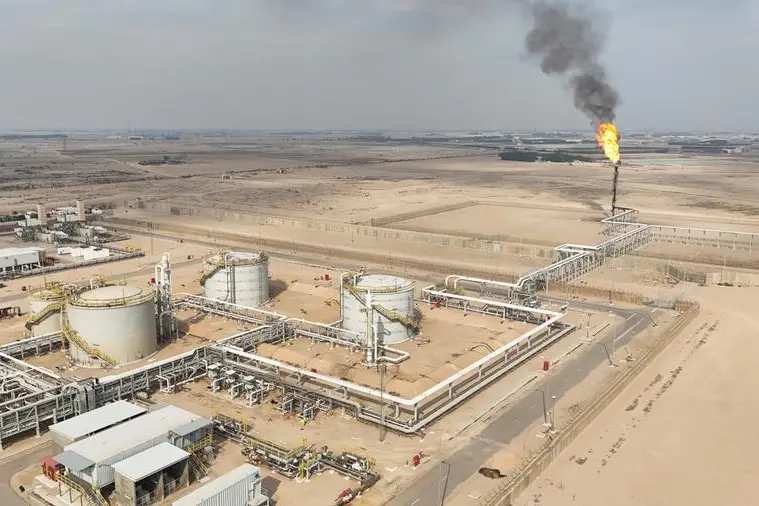
The International Energy Agency warned in a report released Tuesday that Southeast Asia’s dependence on Middle Eastern energy has left the region acutely vulnerable. The IEA said the region’s energy import bill could balloon to $245 billion by 2035, tripling from $80 billion in 2024, unless governments accelerate their shift toward renewables. The agency called the Iran war “a wake-up call” for the region’s energy sector.newsmax
The conflict’s broader toll on trade is still being tallied. Sea-Intelligence Maritime Analysis estimates it has already added $5.5 billion in bunker fuel costs since late February, with container line Hapag-Lloyd alone incurring up to $50 million in extra costs each week.reuters