







Newsletter Subscribe
Enter your email address below and subscribe to our newsletter

Enter your email address below and subscribe to our newsletter
All voices matter
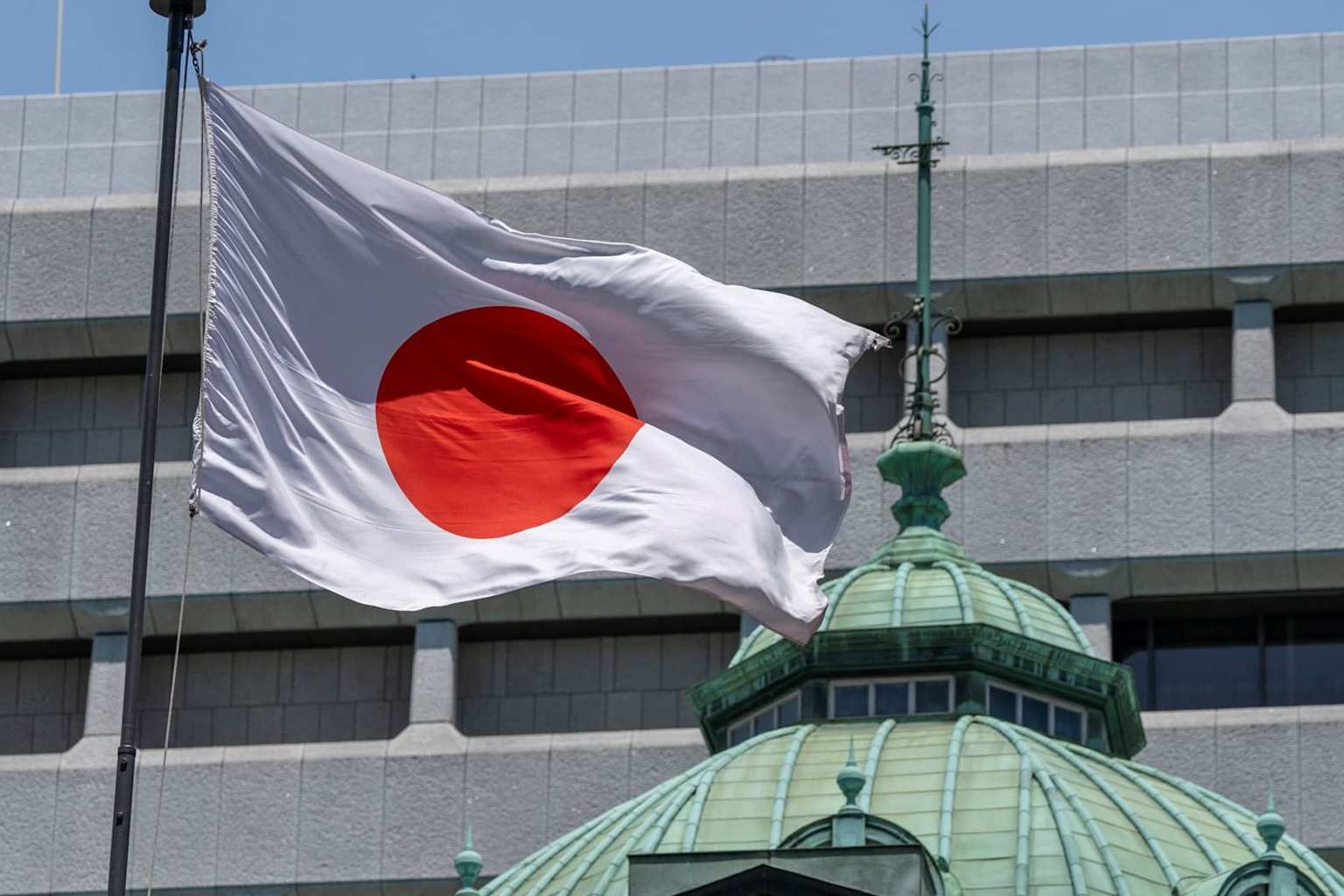
The Bank of Japan on Tuesday raised its benchmark interest rate by a quarter percentage point to 1%, a level not seen in more than three decades, as the central bank moved to combat persistent inflation fueled by the energy crisis tied to the conflict in the Middle East.
The widely anticipated decision passed by a 7-1 vote, with board member Toichiro Asada the lone dissenter, arguing rates should remain at 0.75%. The hike marks the BOJ’s first rate increase since December 2025 and continues the normalization cycle that began in 2024.cnbc
In an unusual twist, Governor Kazuo Ueda was absent from the meeting due to medical treatment, leaving Deputy Governor Shinichi Uchida to oversee the decision and conduct the post-meeting press conference. Despite Ueda’s absence, the outcome was never in much doubt — a Reuters survey found that 94% of economists had forecast the move, and market pricing had reflected roughly 80% odds of a hike heading into the meeting.reuters
The yen initially strengthened following the announcement but struggled to hold gains against the dollar, with the USD/JPY pair trading near the 160 level. The muted reaction underscored a familiar dynamic: even at 1%, Japan’s borrowing costs remain far below those in the United States, leaving the wide interest rate differential as a persistent drag on the currency.equiti
Japan has spent tens of billions of dollars intervening in foreign exchange markets this year to defend the yen, which breached 160 per dollar in recent weeks. The BOJ’s rate hike offers some relief but has done little to close the gap with U.S. rates.x
Economists expect the BOJ to continue tightening. A Reuters poll projected another increase to 1.25% in the fourth quarter, with the rate potentially reaching 1.5% by mid-2027. At 1%, the policy rate remains near the lower end of the BOJ’s estimated neutral range of 1.1% to 2.5%.reuters
The Nikkei 225 faced pressure as investors weighed the implications of higher borrowing costs for Japanese corporates. Attention now turns to how ceasefire developments in the Middle East could shape the BOJ’s path forward, with energy prices a key variable for Japan’s inflation outlook.reuters