






Newsletter Subscribe
Enter your email address below and subscribe to our newsletter

Enter your email address below and subscribe to our newsletter
All voices matter
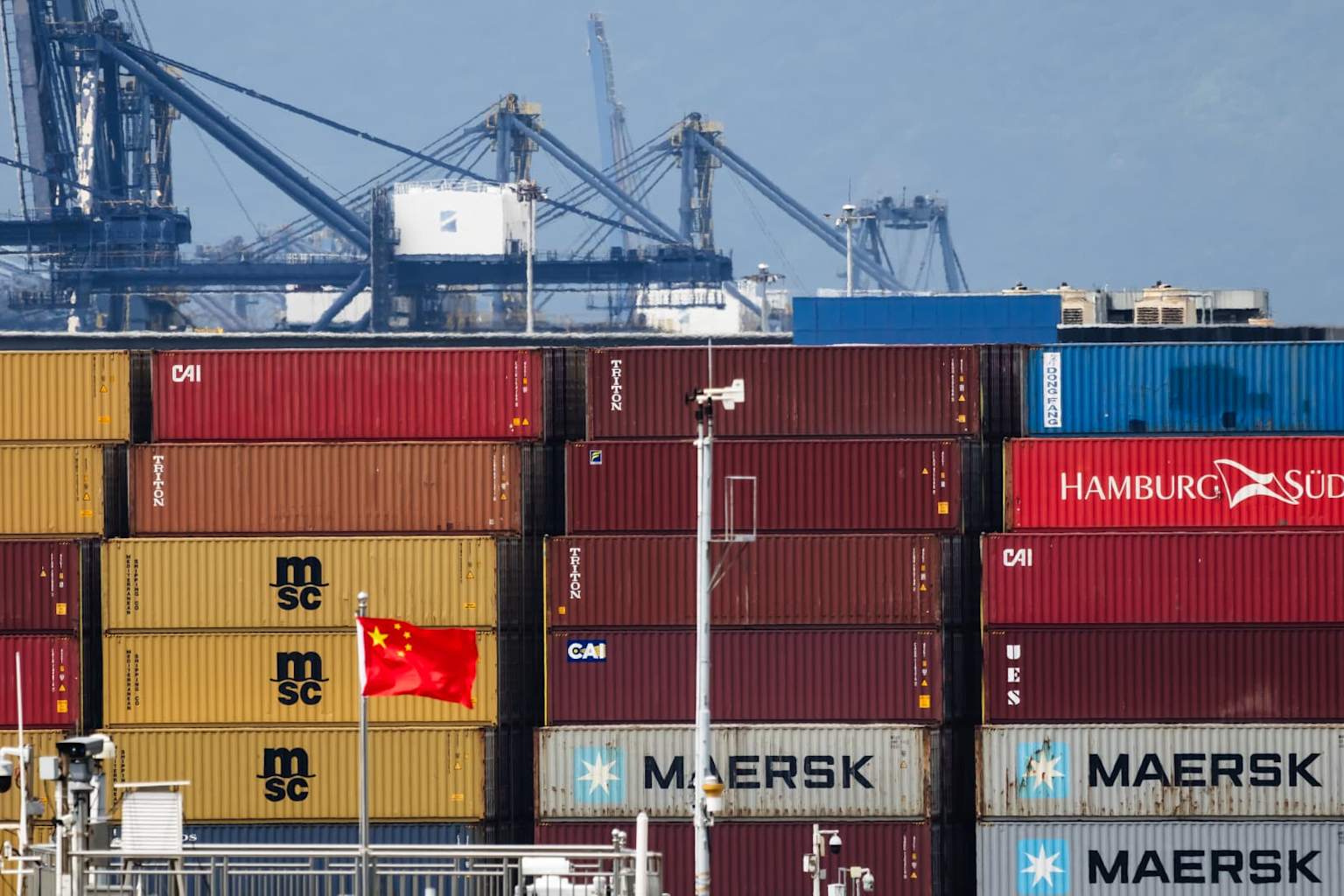
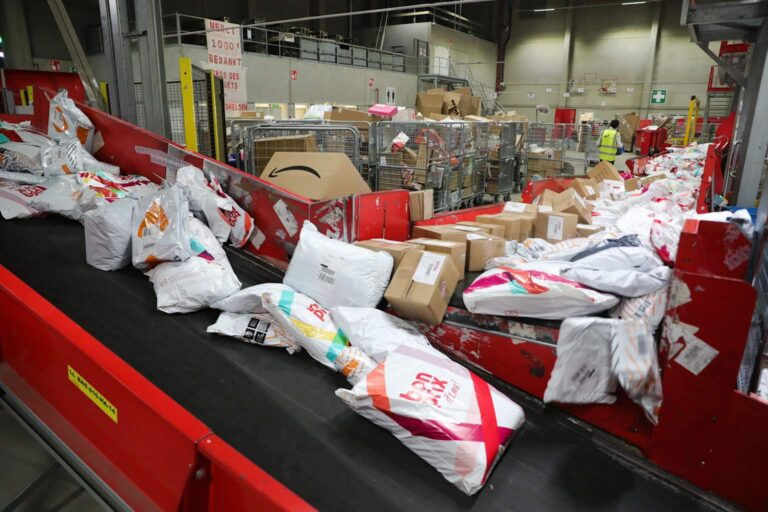
China’s retail sales contracted in May for the first time since December 2022, underscoring a widening gap between the country’s export-driven industrial engine and its faltering domestic economy. The data, released Tuesday by the National Bureau of Statistics, painted a picture of an economy increasingly reliant on overseas demand while consumers at home pull back.
Retail sales, a key gauge of consumer spending, fell 0.6% year-on-year in May, reversing April’s 0.2% rise and missing economist expectations of no change, according to Reuters. The decline marks the first monthly contraction since the end of China’s pandemic-era restrictions more than three years ago.reuters
Industrial output, by contrast, grew 4.5% in May compared with the same month a year earlier, accelerating from 4.1% in April and beating the 4.3% forecast in a Reuters poll. The divergence highlights what economists have described as a “K-shaped” or “two-speed” economy, with strong manufacturing and exports running in one direction while household spending heads in the other.reuters
Fixed-asset investment — covering infrastructure, manufacturing, and property construction — fell 4.1% year-on-year during the January-to-May period, a sharp deterioration from the 1.6% decline recorded through April. Economists had forecast a 2% drop.scmp
The consumer weakness traces in large part to a property sector that shows few signs of stabilizing. New home prices fell 0.2% month-on-month in May, steepening from a 0.1% decline in April, according to separate NBS data reported by Reuters. Property sales have dropped roughly 65% from their 2020 peak, eroding household wealth and dragging on local government finances.ckgsb
HSBC nearly halved its 2026 retail sales growth forecast in late May, cutting it to 2.8% from 5.2%, citing labor market pressures, the property downturn, and fading momentum from Beijing’s consumer goods trade-in subsidies. Auto sales have been particularly hard hit, with NIO founder William Li warning that domestic retail auto sales could fall 15% to 20% this year.cnevpost
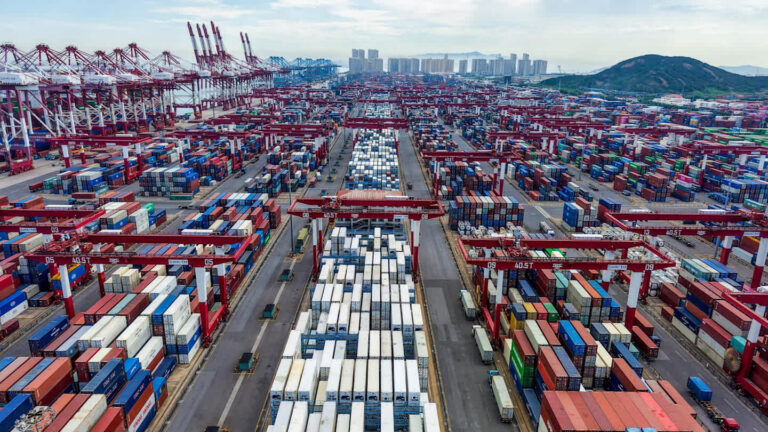
China’s exports have surged, with double-digit year-on-year growth through much of 2026, driven by strong demand from Southeast Asia and continued tariff front-loading. First-quarter GDP came in at 5.0%, at the top of Beijing’s 4.5-to-5% annual target, fueled primarily by a 14.7% jump in exports.chinadata
But the strength abroad has not translated into confidence at home. Bloomberg economists Chang Shu and David Qu noted ahead of the May data release that “robust supply-side performance contrasted with weak demand,” with private investment tapering off and construction activity faltering. The ASEAN+ Macroeconomic Research Office projected growth would moderate to 4.6% in 2026, with risks “tilted to the downside”.amro-asia