







Newsletter Subscribe
Enter your email address below and subscribe to our newsletter

Enter your email address below and subscribe to our newsletter
All voices matter
Crude oil prices tumbled after the United States and Iran announced a framework agreement to end their war and reopen the Strait of Hormuz, but consumers around the world are finding that relief at the pump remains elusive. The lag between falling barrel prices and lower retail fuel costs — driven by shipping times, refining margins, and fixed pricing cycles — means weeks may pass before the deal’s impact reaches drivers.
Brent crude fell nearly 4% to around $84 per barrel after the deal was confirmed over the weekend, its lowest level since March. West Texas Intermediate dropped to about $81 per barrel. The decline caps a broader retreat from a year-to-date high of $119, according to Benzinga.aljazeera
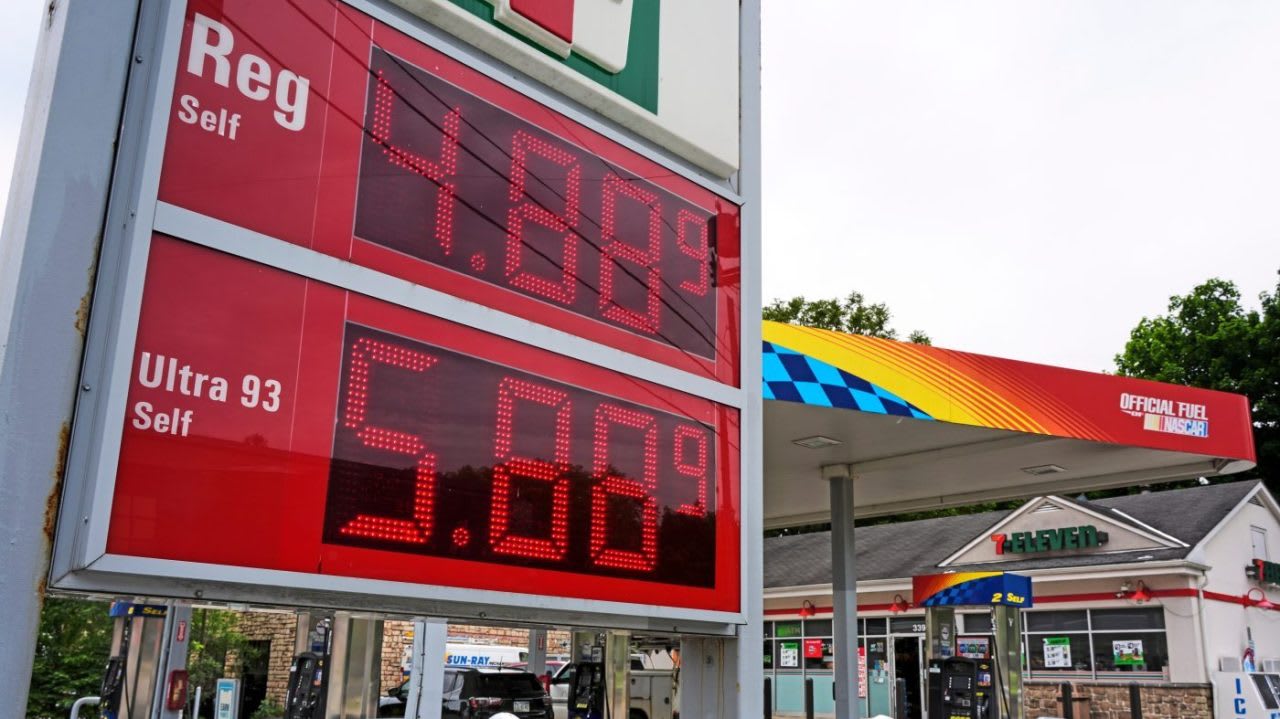
Yet in the United States, the national average for a gallon of regular gasoline stood at $4.065 on June 15, according to AAA. While that figure has fallen from $4.56 in late May, it remains well above pre-war levels of around $3.13 a year ago. The Energy Information Administration’s weekly data showed the average at $4.28 for the week ending June 8, a decline of 3.6% from the prior week.aaa
In India, state-run oil marketing companies kept petrol and diesel prices unchanged on June 15, as they have since a revision on May 25. Petrol in Delhi remained at ₹102.12 per litre, while Mumbai prices held at ₹111.18. The Economic Times reported that despite the 4% crude correction, no downward revision was announced.ndtv
In Kenya, the Energy and Petroleum Regulatory Authority set maximum prices for the period ending July 14, with the government announcing reductions that take effect June 15. Ghana’s fuel pricing window is expected to bring a 9.3% petrol price decline starting June 16, according to Citi Newsroom. In the UAE, petrol prices actually rose in June due to the delayed effect of earlier crude spikes, with Super 98 at AED 3.95 per litre.citinewsroom
Analysts have long noted that domestic fuel prices trail international crude movements by several weeks. Crude purchased today must be shipped, refined, and distributed before reaching retail stations. Countries with regulated pricing systems, such as India and Kenya, revise rates on fixed schedules rather than daily market movements. In the UAE, monthly pricing reviews mean June rates were set based on May market conditions.thenationalnews
The question now is whether the deal holds. Reuters reported that the preliminary pact leaves Iran’s nuclear program to further negotiations, and specific terms have not been officially released. If Brent remains near current levels, consumers in most markets can expect lower pump prices by late June or early July.reuters