





Newsletter Subscribe
Enter your email address below and subscribe to our newsletter

Enter your email address below and subscribe to our newsletter
All voices matter

Markets rallied and oil prices tumbled after the United States and Iran announced a framework peace deal on Sunday, but Bank of America cautioned that the agreement’s effect on Federal Reserve policy could be the opposite of what investors expect: not dovish, but hawkish.
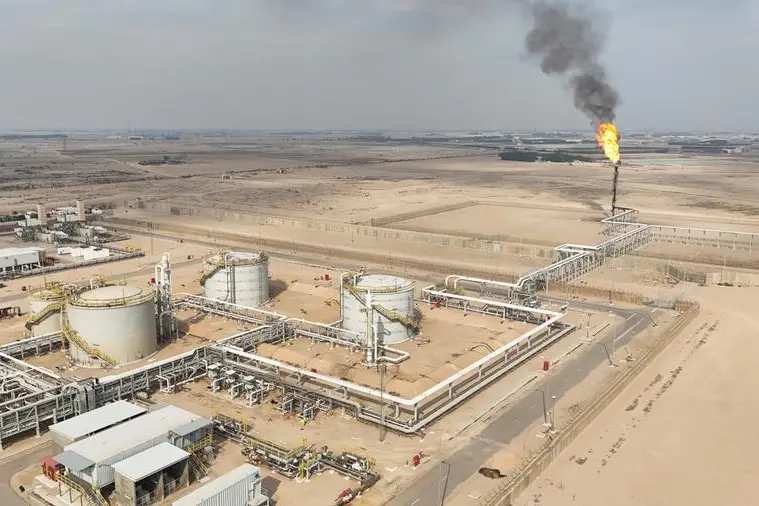
The deal, set to be signed on June 19 in Geneva, sent WTI crude falling roughly 6% on Monday to about $80 per barrel, down from elevated levels driven by months of conflict in the Middle East. Treasury markets had priced in rate-cut expectations on the back of the diplomatic breakthrough, but BofA Securities economist Aditya Bhave pushed back in a note published last week.yahoo
Bhave argued that if WTI crude stabilizes between $80 and $90 per barrel — precisely the range a deal could produce — it would represent the most hawkish scenario for the Fed. Oil in that range would be “sufficient to generate” pass-through to core inflation, he wrote, “but not excessive enough to introduce significant downside risks to economic activity and labor.” In other words, the deal removes the tail risk of an oil-driven recession that might have forced the Fed to cut, while leaving inflation elevated enough to justify holding rates steady or even hiking.yahoo
BofA’s framework, which Bhave has outlined since March, holds that inflation risks tied to the Fed’s dual mandate peak when WTI trades between $80 and $110, while unemployment risks only escalate beyond $120. A deal that strips out the geopolitical risk premium lands oil squarely in that inflation-sensitive zone.investing
The warning comes as the Federal Open Market Committee prepares to meet on Tuesday, with markets widely expecting rates to remain on hold. Nomura has already scrapped its forecast for any Fed rate cuts in 2026, citing persistent inflation from the Iran conflict and other supply shocks, according to Reuters. The Japanese brokerage noted that even with potential peace, elevated price pressures give the Fed “a clear rationale to maintain a restrictive stance through the summer months.”investing
The European Central Bank hiked rates last week for the first time in nearly three years, and while markets have since dialed back expectations for further increases following the deal, ECB Governing Council member Joachim Nagel said Monday that “all options — including maintaining interest rates or raising them — remain on the table” ahead of the July meeting.yahoo
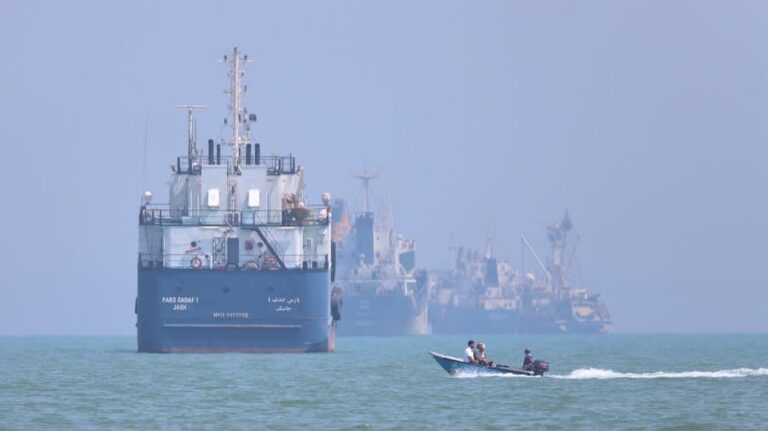
The framework deal between Washington and Tehran calls for a ceasefire, the reopening of the Strait of Hormuz, and a lifting of the U.S. naval blockade on Iranian ports, with deeper negotiations on Iran’s nuclear program deferred to a 60-day follow-on period. Some analysts expect Brent crude could fall further toward $70–$73 once the deal is signed and tanker traffic resumes. But if oil instead settles in the mid-$80s — the range BofA flagged — investors betting on rate relief may find themselves on the wrong side of the trade.wsj