







Newsletter Subscribe
Enter your email address below and subscribe to our newsletter

Enter your email address below and subscribe to our newsletter
All voices matter

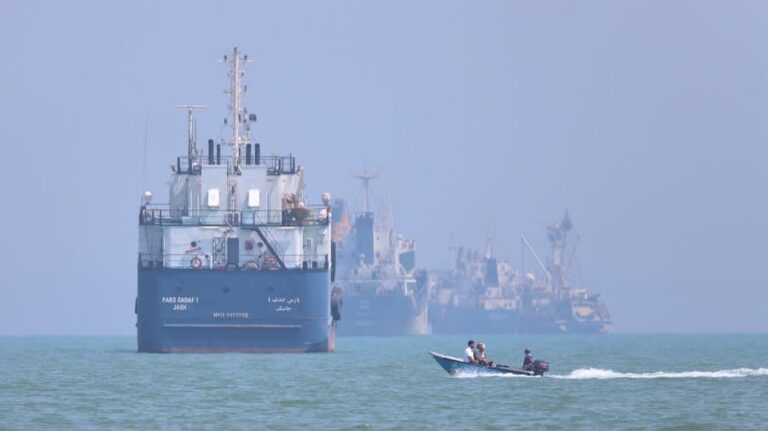
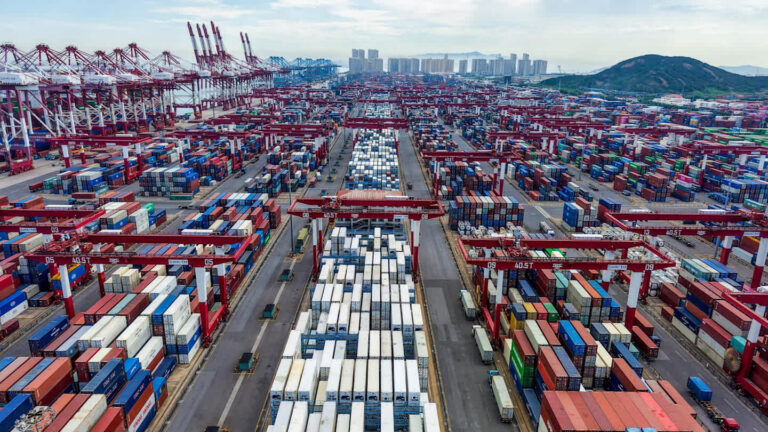
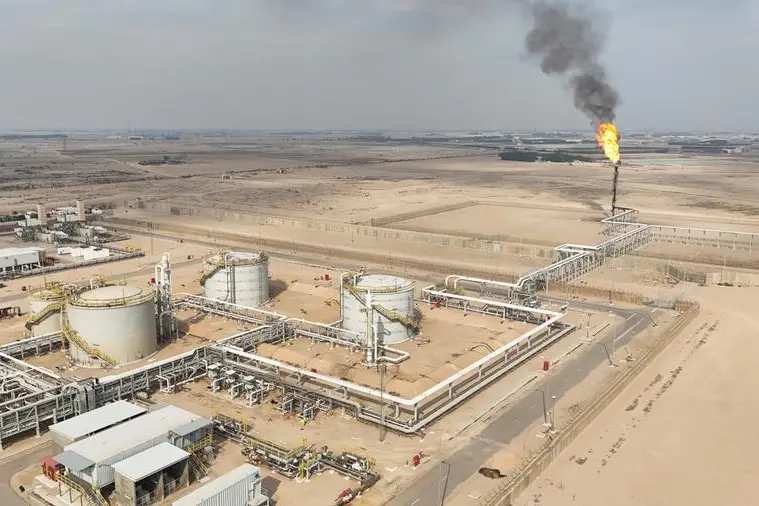
Nations across the globe are deploying subsidies, tax cuts, and price caps to protect consumers from escalating energy prices driven by the U.S.-Israeli war on Iran and the near-blockade of the Strait of Hormuz, according to a Reuters factbox updated Thursday. The measures come as inflation accelerates in major economies, with analysts warning that without a resolution to the conflict, high oil prices could keep price pressures elevated well into the second half of 2026.yahoo
U.S. consumer prices rose at an annual rate of 4.2% in May — the highest since April 2023 — up from 3.8% the prior month, according to the Bureau of Labor Statistics. Energy costs surged 3.9% in May alone, accounting for more than 60% of the total monthly CPI increase, while gasoline prices jumped roughly 40% from a year earlier. Core inflation, which strips out food and energy, edged up to 2.9%.qz
In India, the Reserve Bank of India on June 6 unanimously held the repo rate at 5.25% but raised its FY27 CPI inflation forecast to 5.1% from 4.6%, citing crude oil prices, supply-chain disruptions, and monsoon uncertainty. RBI Governor Sanjay Malhotra warned that inflation could move close to the upper end of the central bank’s tolerance band in the third quarter, with quarterly projections reaching 5.9%.firstpost
The Reuters factbox catalogues responses spanning dozens of countries. Singapore announced a support package worth nearly S$1 billion including cash handouts and fuel vouchers. Japan activated oil reserves and introduced gasoline subsidies while seeking energy sources beyond the Middle East. Malaysia plans to raise petrol subsidy spending to 2 billion ringgit from 700 million ringgit to maintain fixed fuel prices. Indonesia raised some fuel prices by nearly one-third but is launching a B50 biodiesel program on July 1.yahoo
European governments have committed more than €11 billion in fiscal measures, according to the Bruegel think tank, with over 72% consisting of untargeted interventions such as excise duty and VAT cuts. Greece allocated €500 million in aid for households and farmers, while Italy extended reduced excise duties on fuels.bruegel
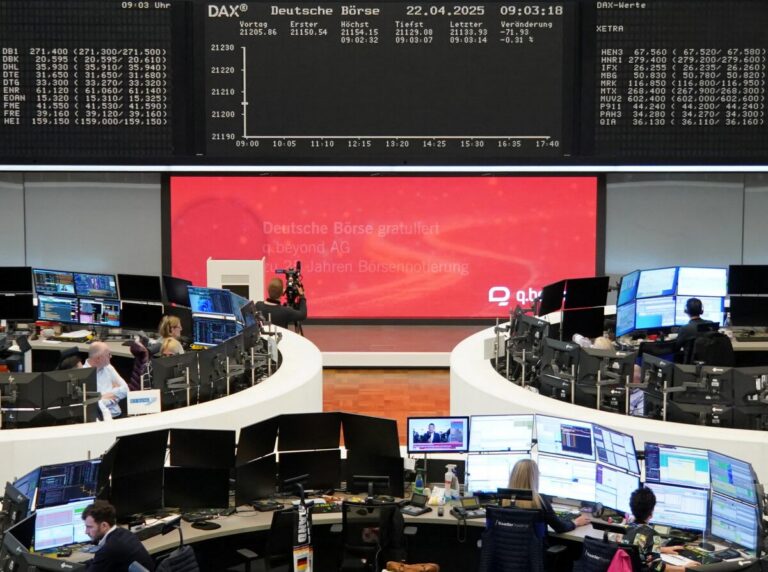
Mark Zandi of Moody’s Analytics told CNBC it may take until mid-2027 for inflation to return to the Federal Reserve’s 2% target, assuming other factors remain constant. The Fed is widely expected to hold rates steady at its June 17 meeting, with CME Group’s FedWatch tool showing a 96% probability of no change. The Carnegie Endowment for International Peace has cautioned that broad fuel subsidies, while politically expedient, risk weakening price signals and entrenching fossil fuel dependence.carnegieendowment