






Newsletter Subscribe
Enter your email address below and subscribe to our newsletter

Enter your email address below and subscribe to our newsletter
All voices matter
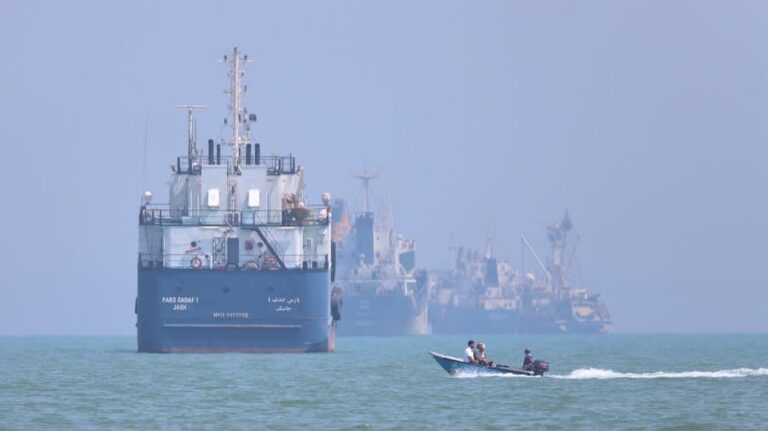
The Asian Development Bank has warned that Asia-Pacific is now experiencing its worst-case energy scenario, as the prolonged closure of the Strait of Hormuz continues to hammer the region’s oil-dependent economies. The warning, reported by the Financial Times on Wednesday, marks a stark escalation in the ADB’s assessment of the crisis that has gripped the region since the waterway was effectively shut during the U.S.-Iran conflict earlier this year.ft
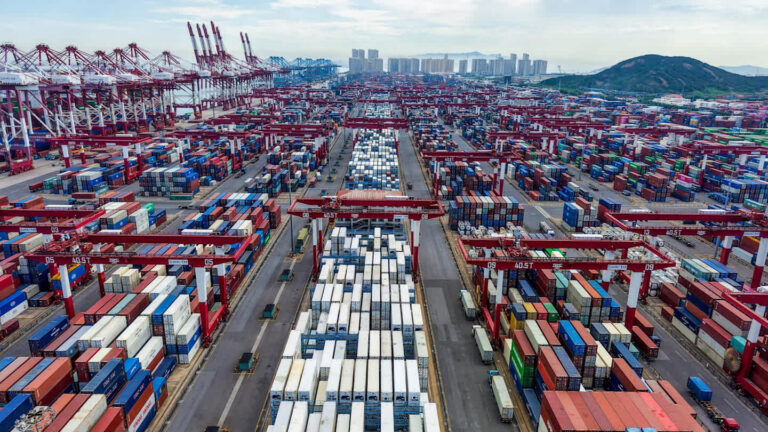
The ADB had previously projected that under a prolonged disruption scenario, Asia-Pacific growth would slow to 4.7 percent in 2026, down from a 5.1 percent baseline, while inflation could surge to 5.6 percent. With the crisis now entering its fourth month, those worst-case projections appear to be materializing. The bank earlier announced a financial support package for developing member countries, including fast-disbursing budget support and trade finance to ensure continued access to critical imports such as energy and food.insiderph
The Philippines has been among the hardest hit. The IMF slashed its 2026 growth forecast for the country to 4.1 percent from 5.6 percent in its April World Economic Outlook, warning that the energy shock poses serious risks to the country’s poorest households. According to the Philippine Institute for Development Studies, the crisis could push between 1.3 million and 3.1 million Filipinos into poverty. The ADB committed $1.75 billion in crisis support for the Philippines in May.bworldonline
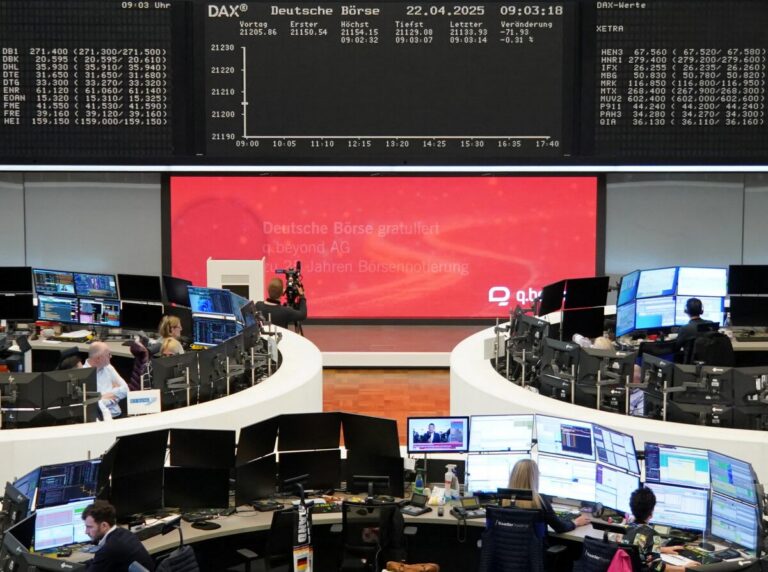
On June 8, Fitch Ratings changed its 2026 global sovereign sector outlook to “deteriorating” from “neutral,” citing the impact of the U.S.-Iran war on fiscal positions and economic growth worldwide. The agency also lowered its outlook on the Philippine banking system to “deteriorating,” warning that exposure to the conflict could dampen lending activity and squeeze profitability. Business World reported that Fitch’s revised Asia-Pacific sovereign outlook specifically flagged risks from the prolonged oil crisis to the region’s net energy importers.fitchratings
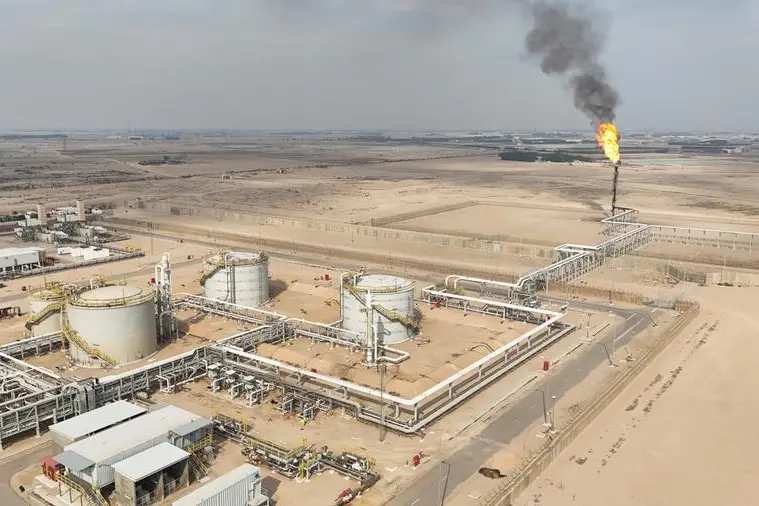
The Strait of Hormuz carried approximately 21 million barrels per day of petroleum and roughly 20 percent of global liquefied natural gas exports before its closure, making the disruption historically unprecedented in scale. The IMF noted in April that Asia’s 5 percent expansion in 2025 would moderate to 4.4 percent in 2026 under its reference forecast, which assumed the energy shock would prove transient — an assumption that now appears overly optimistic.behorizon
The International Energy Agency has launched a 2026 Energy Crisis Policy Response Tracker to monitor government actions across the region, where countries have imposed fuel rationing, shortened work hours, and mandated work-from-home policies to reduce consumption.yenisafak