






Newsletter Subscribe
Enter your email address below and subscribe to our newsletter

Enter your email address below and subscribe to our newsletter
All voices matter
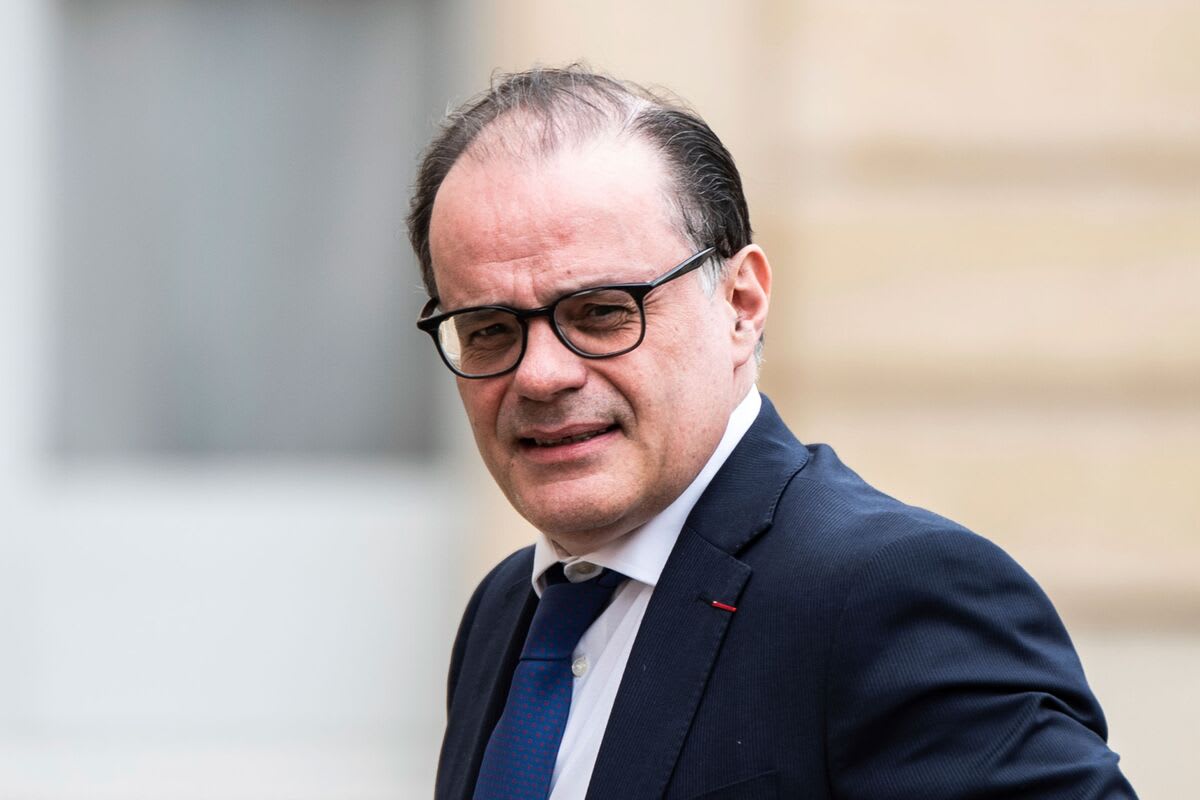
Emmanuel Moulin, the newly installed Bank of France governor and European Central Bank Governing Council member, warned on Friday that the energy shock from the Persian Gulf war is broadening into consumer services prices, even as wage pressures remain contained, according to Bloomberg.bloomberg
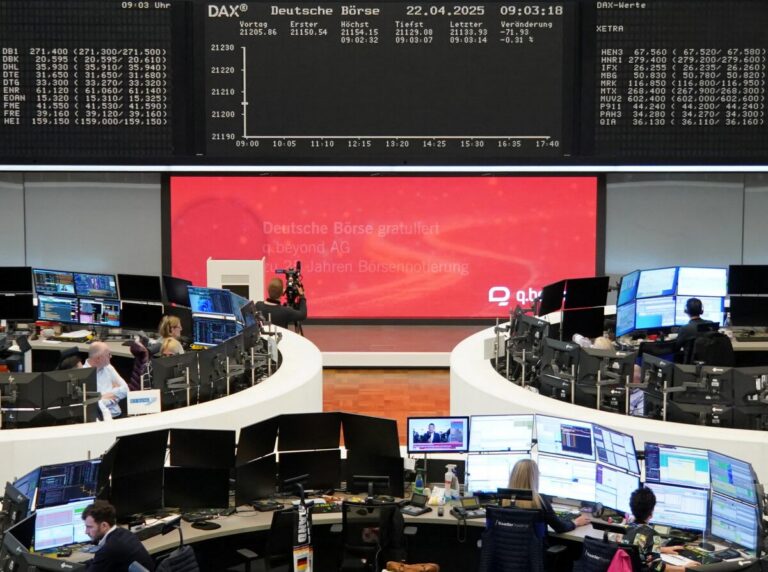
The comments came one day after the ECB raised its deposit rate by 25 basis points to 2.25% — its first rate increase since September 2023 — in a move aimed at preventing energy-driven inflation from becoming entrenched in the euro area economy.reuters
Moulin’s remarks mark a shift from the cautious tone he struck during his parliamentary confirmation hearings in May, when he said it was “too early” to commit to any policy stance and emphasized the need for patience. Now three and a half months into the conflict that has effectively closed the Strait of Hormuz, the Bank of France governor signaled growing concern that indirect price effects are materializing.reuters
The war, which began on February 28, has sent crude oil above $120 per barrel and pushed eurozone headline inflation above 3%, with energy prices rising nearly 11% year-on-year. The ECB’s June staff projections forecast headline inflation averaging 3.0% in 2026 before easing to 2.3% in 2027.cnbc
Moulin’s observation that second-round effects through wages have not yet materialized aligns with broader ECB analysis. The central bank’s wage tracker, updated in May, showed negotiated wage growth steady at around 2.6% for 2026, down from 3.0% in 2025. A Reuters report in April found that corporate surveys showed no indication of wage expectations rising in response to the energy shock.banque-france
Yet policymakers have argued that waiting for wage effects before acting would be too late. “If the shock is persistent and large-scale, we will clearly need to react,” Moulin told French senators during his confirmation hearing in May.devdiscourse
The ECB has signaled no predetermined path for further rate increases, with President Christine Lagarde emphasizing data dependence at Thursday’s press conference. Markets are pricing in one or two additional hikes this year, potentially bringing the deposit rate to between 2.50% and 2.75%. Moulin’s warning that price pressures are now visibly spreading into services suggests the bar for pausing may be rising, even as the eurozone economy weakens under the weight of the energy crisis.euronews