







Newsletter Subscribe
Enter your email address below and subscribe to our newsletter

Enter your email address below and subscribe to our newsletter
All voices matter
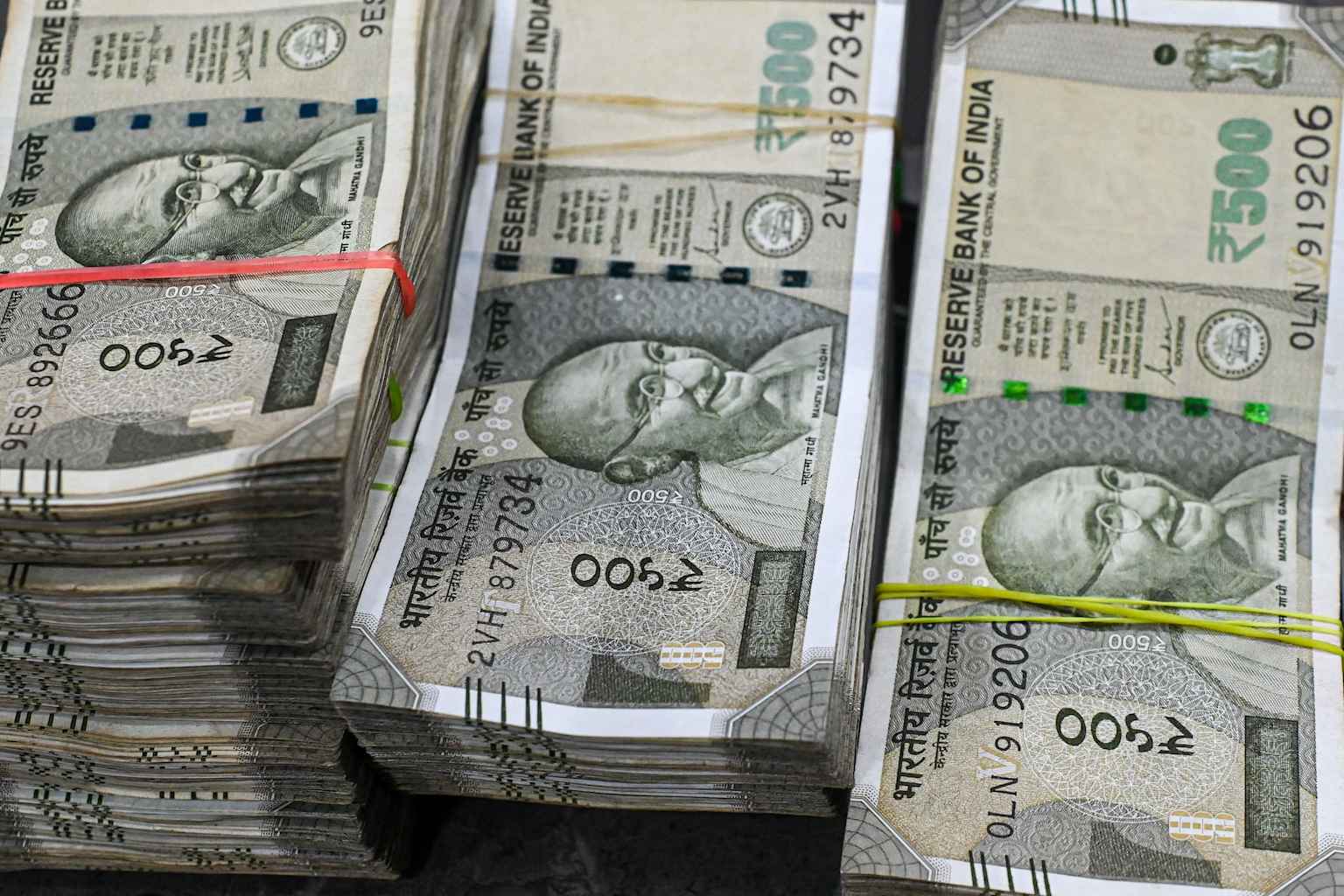
Asian currencies came under broad selling pressure on Thursday as the fallout from escalating US-Iran hostilities continued to ripple through energy markets and the US dollar gained on safe-haven demand and rising expectations for Federal Reserve rate hikes.
The Indian rupee fell 32 paisa to open at 95.57 per US dollar on June 11, weakened by a surge in Brent crude prices toward the $91–93 per barrel range. The South Korean won, which has lost ground steadily since early June — weakening past 1,555 per dollar — was among the region’s worst performers. The Australian dollar hovered near two-month lows around 70 US cents after dipping to its weakest since early April.stlouisfed
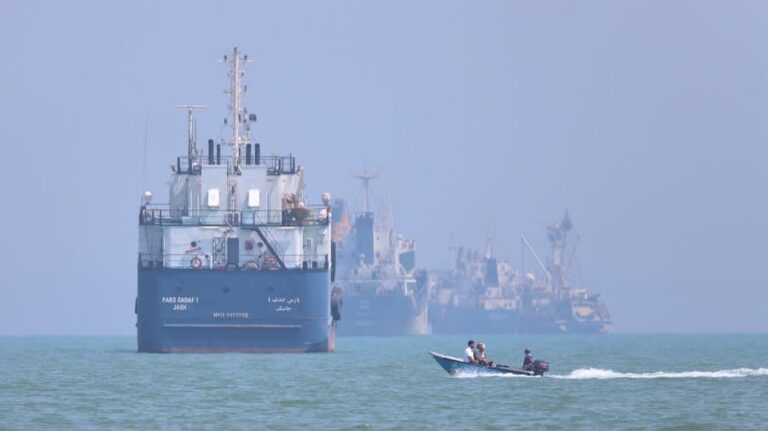
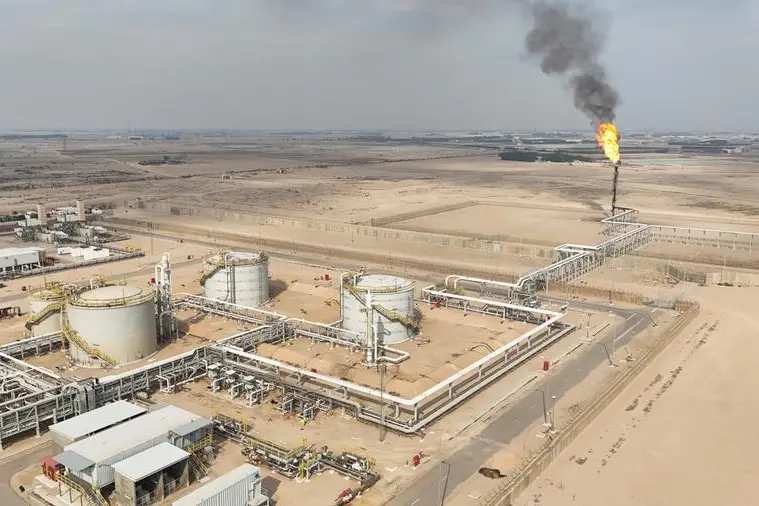
The latest escalation came after US Central Command confirmed it had completed additional strikes against multiple targets in Iran on June 10. The World Economic Forum noted that tensions in the Gulf had intensified amid fresh strikes from the US, Israel, and Iran, with uncertainty over peace talks persisting despite a fragile ceasefire framework. Brent crude was recently trading around $89–$95 per barrel, well above year-ago levels and continuing to inflate import bills across Asia.weforum
According to ING, Thailand and South Korea carry the largest oil and gas trade deficits in Asia, making them most exposed to supply shocks, with Taiwan, the Philippines, Singapore, and India also vulnerable. MUFG Research noted that the “steady rise in US yields” alongside geopolitical uncertainty has “weighed on all markets, including a stronger dollar and generally weaker Asian currencies”.ing
Asian central banks have stepped up their defense of local currencies. South Korea announced plans to boost oversight of offshore currency derivatives, step up inspections of suspected market misconduct, and activate the National Pension Service’s foreign exchange hedging requirements — a move that briefly drove USD/KRW down more than 1%. India’s Reserve Bank has deployed measures estimated to attract around $40 billion in inflows, while the Bangko Sentral ng Pilipinas issued a memorandum in early June warning banks that non-deliverable forex contracts must serve legitimate hedging purposes and prohibiting speculative peso transactions.mufgresearch
Adding to the headwinds, US consumer inflation surged to 4.2% year-over-year in May — a three-year high — driven largely by a 3.9% jump in energy goods prices linked to the Middle East conflict. The data has fueled expectations that the Fed could raise rates later this year; the CME FedWatch Tool now shows a roughly 50% probability of at least one hike in 2026, according to CNBC, while Forbes reported the upcoming June 16–17 FOMC meeting under new Chair Kevin Warsh could mark a “definitive departure” from the Fed’s prior easing stance.thedailyrecord
The combination of elevated oil prices, a strengthening dollar, and the prospect of tighter US monetary policy leaves Asia’s import-dependent economies facing what analysts at OpenMacro have described as a “painful double shock”.openmacro