







Newsletter Subscribe
Enter your email address below and subscribe to our newsletter

Enter your email address below and subscribe to our newsletter
All voices matter
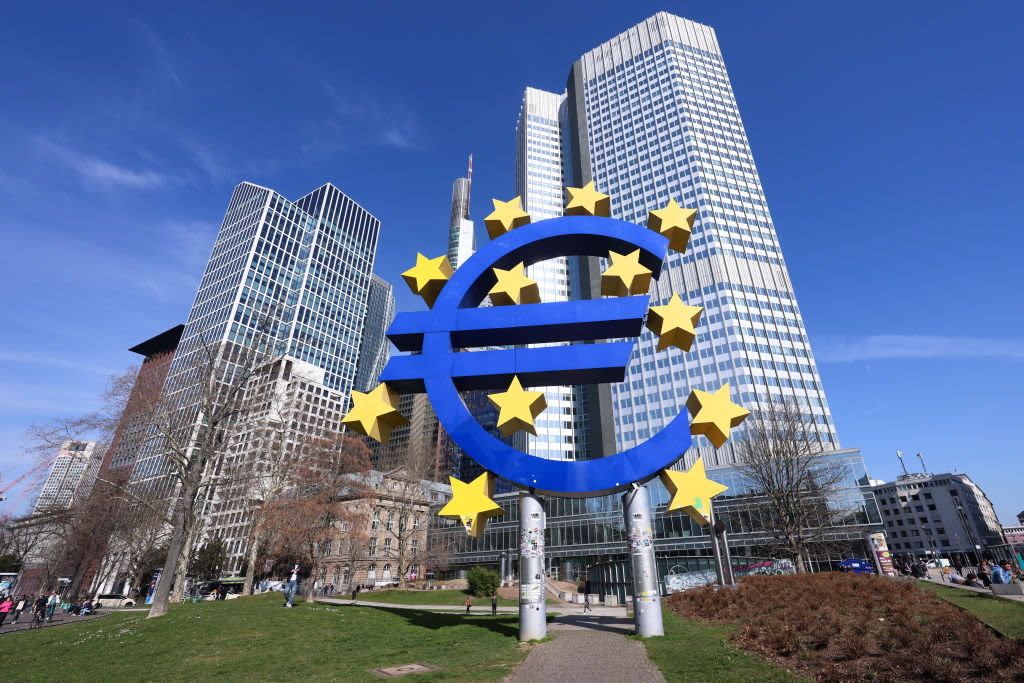
The International Monetary Fund on Thursday cut its eurozone growth forecast and warned that the European Central Bank may need to raise interest rates beyond the hike widely expected at its meeting the same day, as the energy price shock from the Middle East war continues to fuel inflation across the bloc.reuters
The IMF’s findings, released as part of its 2026 Euro Area Article IV consultation, come as the ECB is set to raise its deposit rate by 25 basis points to 2.25% at its June 11 meeting — a move markets have priced at a near-certainty for weeks.morningstar
The Fund’s April World Economic Outlook had already projected eurozone growth at just 0.9% for 2026, down from earlier estimates, citing weak industrial output and the drag from elevated energy costs linked to the Iran conflict. Thursday’s assessment pointed to further downside risks, with the IMF cautioning that ongoing energy shocks may exacerbate both inflation and the growth outlook.eurometal
Eurozone inflation accelerated to 3.2% in May, its highest since September 2023, driven by a 10.9% surge in energy costs and a broadening of price pressures into core components, which rose to 2.5% from 2.2% in April. The data reinforced the case for monetary tightening.tradingeconomics
The IMF indicated that the ECB’s policy rate will likely need to rise by a cumulative 50 basis points in 2026, consistent with market pricing that anticipates a second increase in September. A Reuters poll found more than 60% of economists expect at least one additional hike after June.reuters
The warning echoes earlier IMF projections from April, when the Fund first signaled it expected the ECB to raise rates by half a percentage point over the course of the year. Several ECB officials, including Executive Board member Isabel Schnabel and Bundesbank President Joachim Nagel, had already laid the groundwork for tightening in recent weeks.linkedin
The IMF also cautioned eurozone governments against broad-based fiscal support measures to offset energy costs, arguing that untargeted spending could worsen public deficits and complicate the ECB’s inflation fight. Instead, the Fund advocated for specific, time-limited assistance directed at the most vulnerable households — a message consistent with its April guidance that governments should announce “binding end dates” on support measures to avoid crowding out productive investment.imf