







Newsletter Subscribe
Enter your email address below and subscribe to our newsletter

Enter your email address below and subscribe to our newsletter
All voices matter

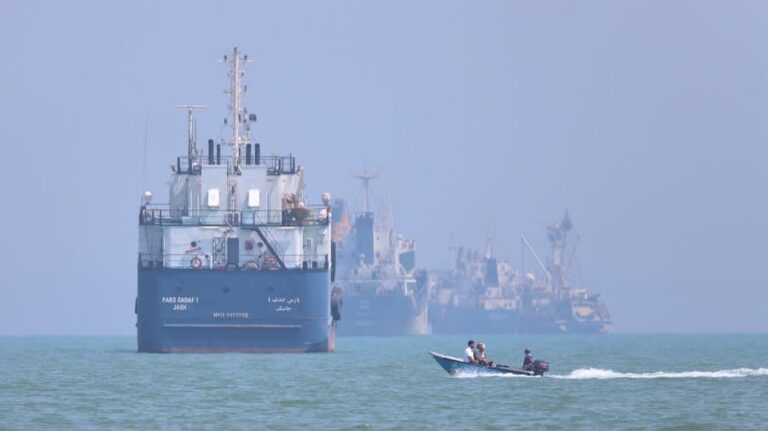
The ongoing US-Iran war is draining approximately $2.2 trillion from the global economy each year, according to the Institute for Economics and Peace’s Global Peace Index 2026, released on Tuesday. The figure, measured in purchasing power parity terms, represents the gap between a fragile ceasefire and a full resumption of hostilities — what the IEP calls “the dollar value of diplomacy.”thenationalnews
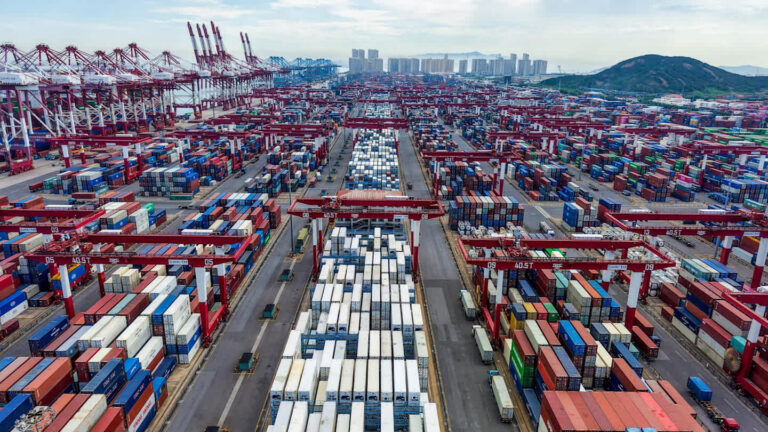
The report models the conflict’s impact under three scenarios. Under the most likely near-term outcome — an extended ceasefire with the Strait of Hormuz only partially reopened and Iranian naval harassment continuing — global GDP losses are estimated at $1.3 trillion, or 0.6 percent of world output. Should the war resume and the strait remain closed for six or more months, losses would climb to $3.5 trillion, exceeding the economic shock of the Russia-Ukraine war in its first year.visionofhumanity
The conflict began on February 28, 2026, when Operation Epic Fury launched US and Israeli airstrikes against Iranian nuclear, military, and leadership infrastructure. Iran’s closure of the Strait of Hormuz in early March immediately stranded some 13 million barrels per day of Gulf exports, triggering what the International Energy Agency called “the greatest energy security challenge in history.”imf
Iran faces the steepest contraction among affected nations. Under the ceasefire scenario, its economy is projected to shrink by 15 percent, losing nearly $268 billion. A resumption of hostilities would push that to a 25 percent contraction and $446 billion in losses.thenationalnews
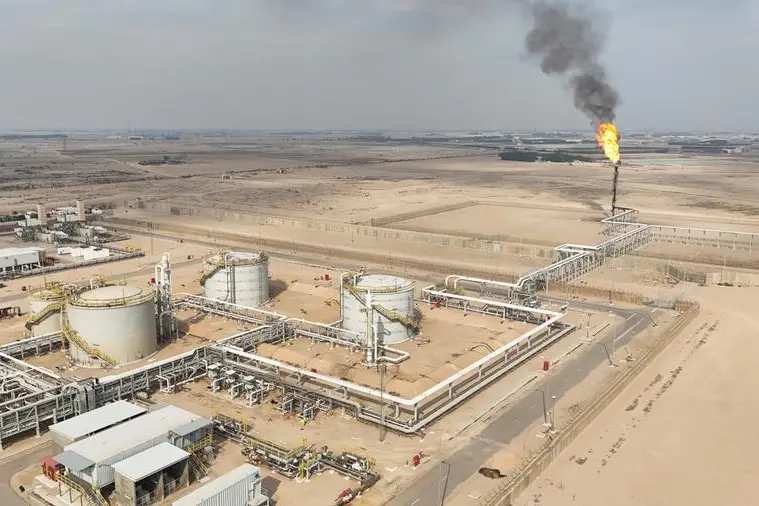
Gulf states face what the report terms the “Hormuz paradox” — cut off from export revenue at the very moment their infrastructure is being damaged and import costs are rising. Saudi Arabia and the UAE managed to redirect a combined seven million barrels per day through alternative pipelines, but Qatar, Kuwait, and Bahrain had no such escape route. Under a war-resumption scenario, Qatar’s economy would shrink by 15 percent, Saudi Arabia’s by 6 percent, and the UAE’s by 8 percent.visionofhumanity
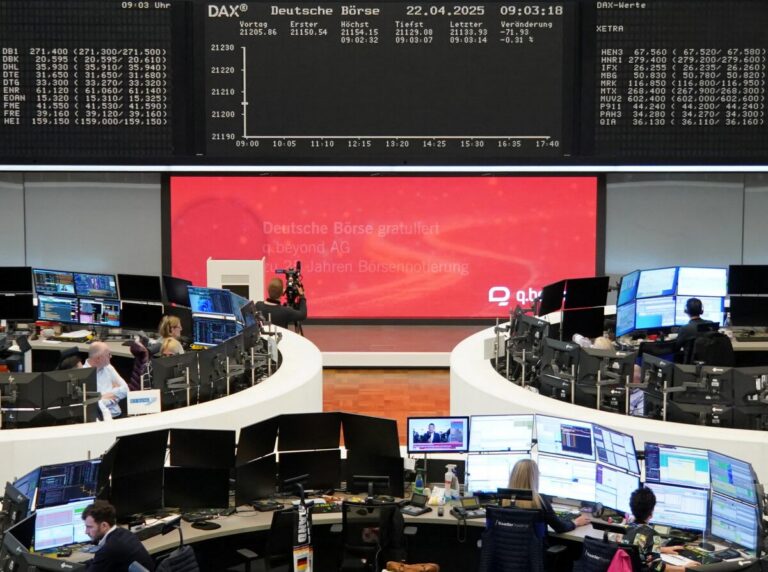
The IEP cautioned that the full economic impact has yet to be felt. Beyond direct losses, the war is transmitting costs through energy prices, trade disruption, financial markets, and remittance compression. Fertilizer shortages from stranded Gulf exports are running on a six-to-nine month lag, with a food price crisis expected to peak later in 2026.visionofhumanity
“There are many ways in which it could affect global economic activity over the next few years, depending on the course the war takes,” the IEP analysts wrote.thenationalnews