






Newsletter Subscribe
Enter your email address below and subscribe to our newsletter

Enter your email address below and subscribe to our newsletter
All voices matter
China’s aluminum exports continued their upward trajectory in May as the world’s largest producer capitalized on supply disruptions caused by the war in the Middle East, even as the same conflict dragged crude oil imports to their lowest level in more than eight years.
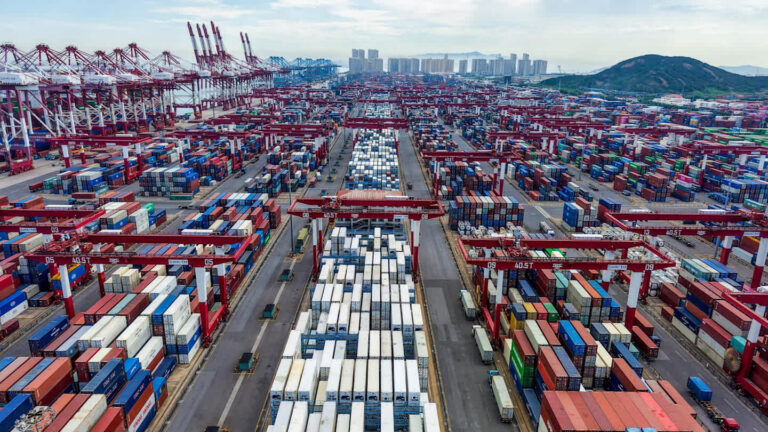
Chinese customs data released this week showed unwrought aluminum and aluminum product exports climbed sharply in May, extending a trend that saw April shipments reach 598,000 tons — up 15.4% year-on-year and the highest monthly total since December 2024. Analysts at Beijing Aladdiny Zhongying Business Consulting predicted annual sales could match or exceed the record 6.7 million tons exported in 2024, driven by extra demand arising from the war.metal
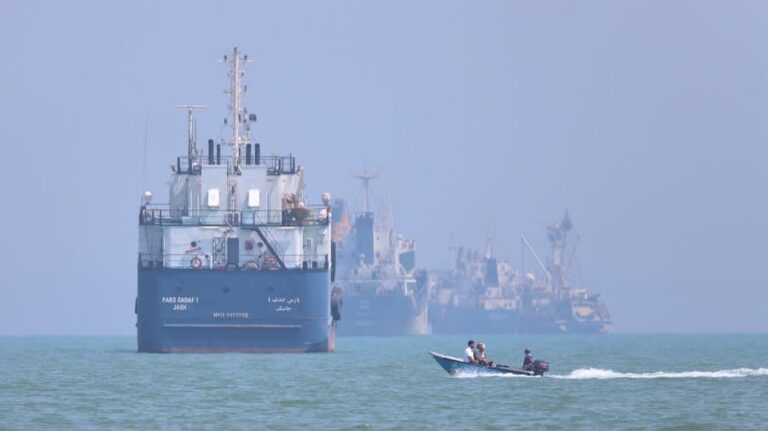
The surge follows the effective closure of the Strait of Hormuz, which has cut off aluminum produced in a region accounting for about 9% of global output. According to Reuters, the disruptions have pushed benchmark aluminum prices on the London Metal Exchange to $3,685 per metric ton in early June, their highest since March 2022. Wood Mackenzie estimated the conflict could remove 3.5 million tonnes of aluminum output in 2026.mining
“Global clients are buying more semi-finished products from China,” said Zhang Meng, general manager at Shandong Aize Business Information Consulting, noting a spike in orders in May and June.mining
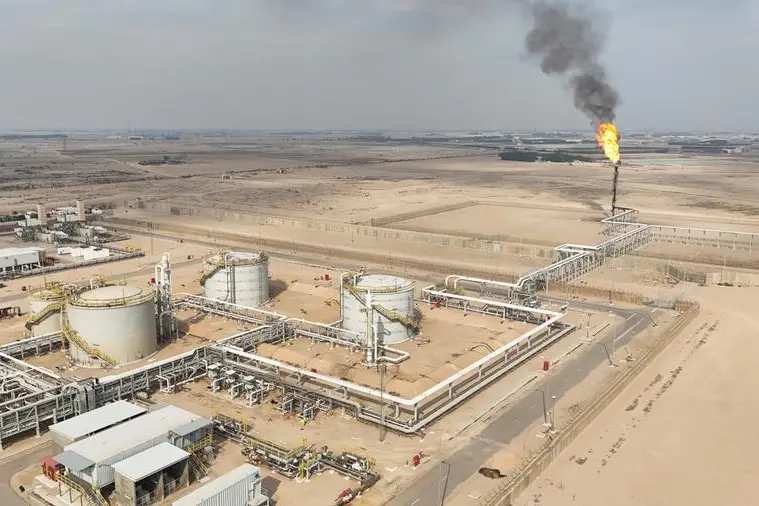
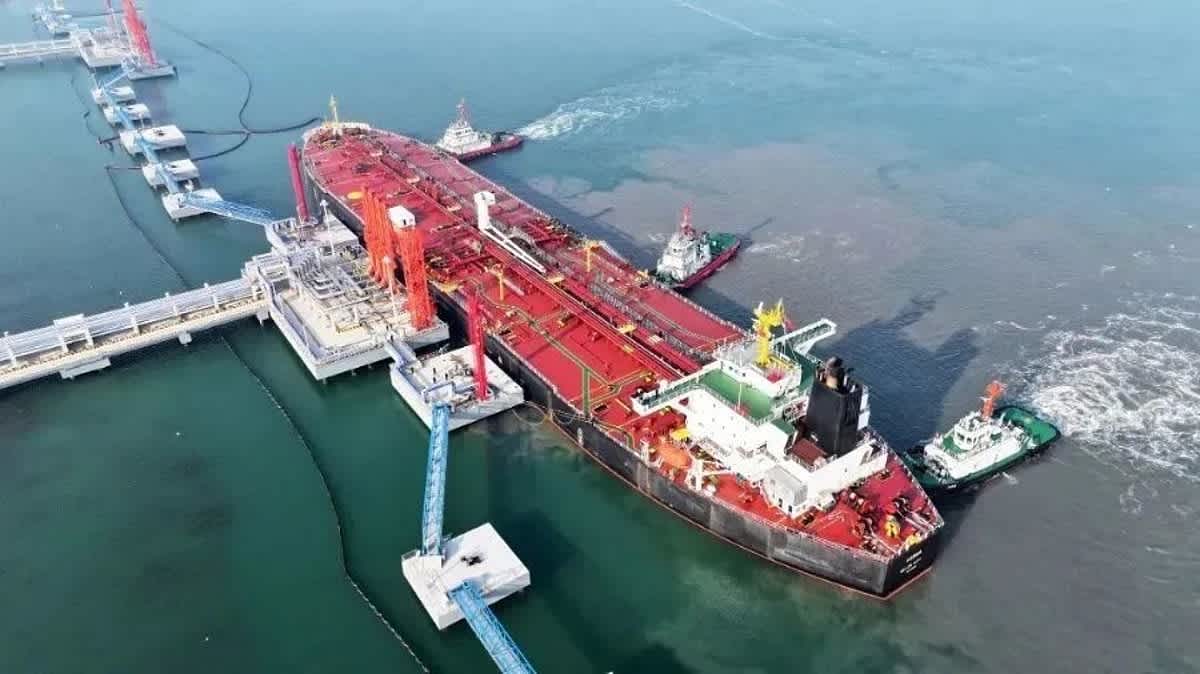
The same conflict that has boosted aluminum exports has devastated China’s crude oil supply lines. Bloomberg reported that May imports fell to roughly 33 million tons, equivalent to 7.8 million barrels per day — the lowest since October 2017. The country had imported an average of about 11.6 million barrels per day throughout 2025.bloomberg
According to CNBC, Beijing’s decision to reduce crude imports from 11.7 million barrels per day in February to just below 9 million by late May accounted for approximately 74% of the overall decrease in global crude imports, a contribution J.P. Morgan analysts called “disproportionate”. China’s substantial strategic reserves — estimated at 1.39 billion barrels as of early March — have helped cushion the blow.columbia
The divergence in trade flows reflects a broader strategic recalibration by Beijing. While the closure of the Strait of Hormuz has constrained energy imports, it has simultaneously opened export opportunities in metals where China holds dominant production capacity. Chinese smelters are operating near record levels, and international prices show their biggest premium to the Chinese market since 2022, creating strong incentives for overseas sales.mining
The Trump administration’s June 1 amendment to the Section 232 tariff framework for aluminum added new complexity to the trade landscape, though U.S.-bound shipments represent only a fraction of China’s total aluminum exports. The bulk of increased demand has come from buyers in Southeast Asia and Europe seeking alternatives to Middle Eastern supply.spglobal