






Newsletter Subscribe
Enter your email address below and subscribe to our newsletter

Enter your email address below and subscribe to our newsletter
All voices matter
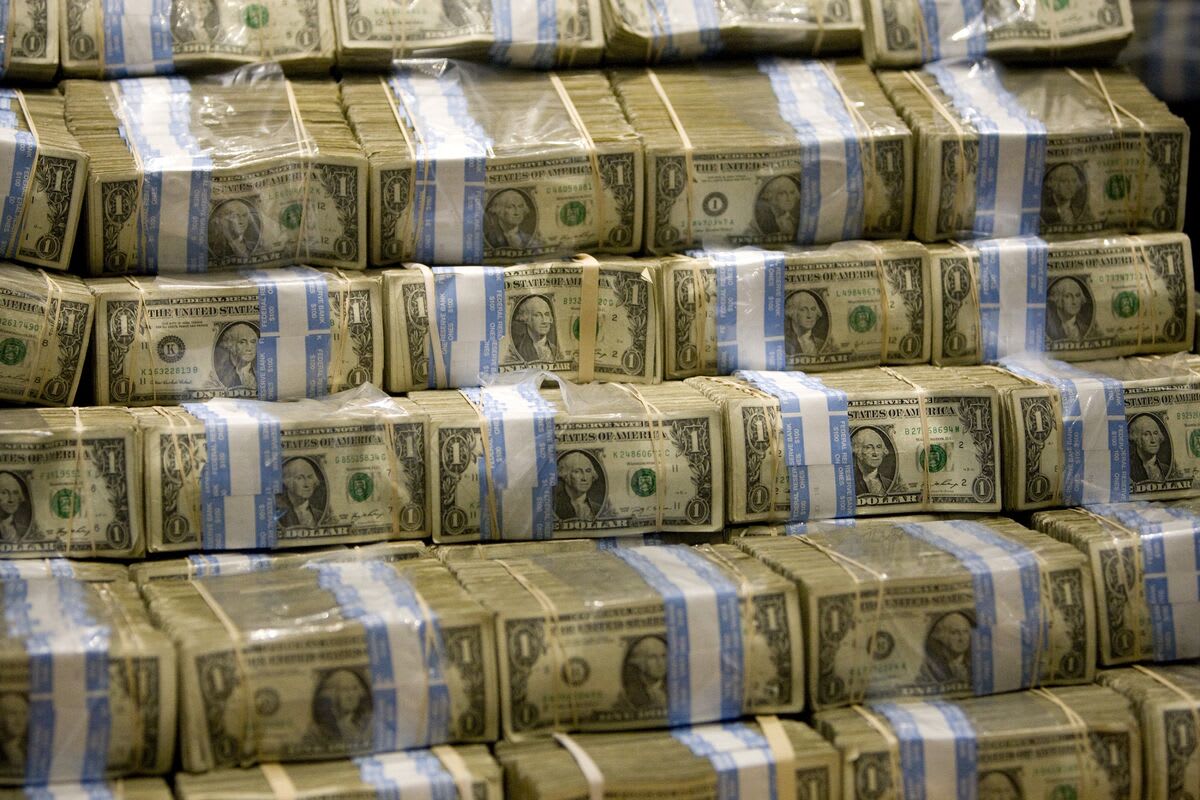
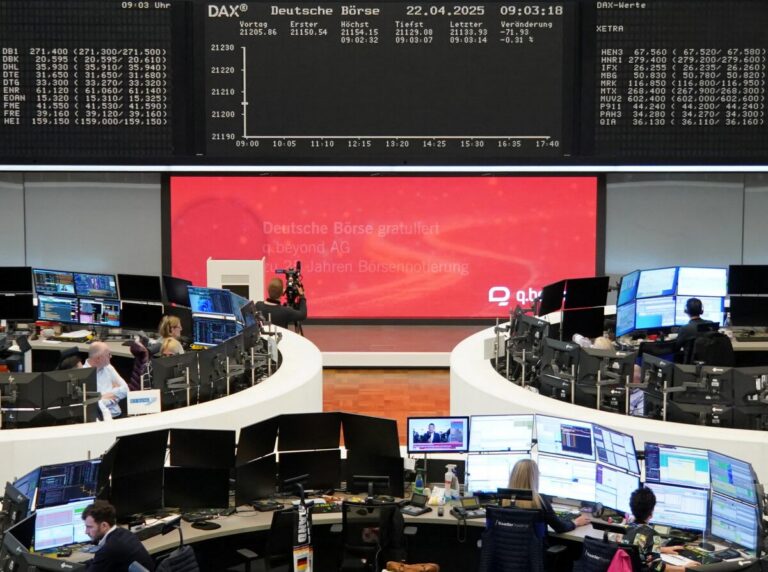
The emerging-market carry trade — one of the most profitable strategies in foreign exchange this year — is hitting a wall as traders recalibrate expectations around the Federal Reserve under its new chairman, Kevin Warsh, and escalating geopolitical risks tied to the US-Iran conflict.
After delivering strong returns through the first four months of 2026, carry trade strategies that involve borrowing in low-yielding currencies and investing in higher-yielding ones like the Brazilian real, Colombian peso, and Turkish lira have seen performance flatten. The reversal comes as the US Dollar Index strengthened more than 2% over the past month, according to Trading Economics data, eroding the gains that carry traders had booked when the greenback was weaker.tradingeconomics
BMO Capital Markets argued Monday that betting on continued dollar strength is “the cleanest way” to position for a new global regime of higher rates and inflation. The bank warned that markets may be too optimistic about a swift resolution to the US-Iran conflict, which began on February 28 when the United States and Israel launched strikes against Iran.bloomberg
The shift in market dynamics traces in part to the swearing-in of Kevin Warsh as Federal Reserve chairman on May 22. Warsh inherited a central bank facing inflation climbing toward 3.8% amid spiking energy prices linked to the Middle East conflict. Market expectations for further rate cuts have evaporated, with prediction markets pricing in an 85% probability of a rate hike by December, a stark reversal from the easing expectations that prevailed when Warsh was nominated.cnn
The Fed’s target range remains at 3.50% to 3.75% after 75 basis points of cuts in late 2025, but Warsh’s first policy meeting on June 16-17 will be closely watched for signals on whether the central bank pivots toward tightening.bmo
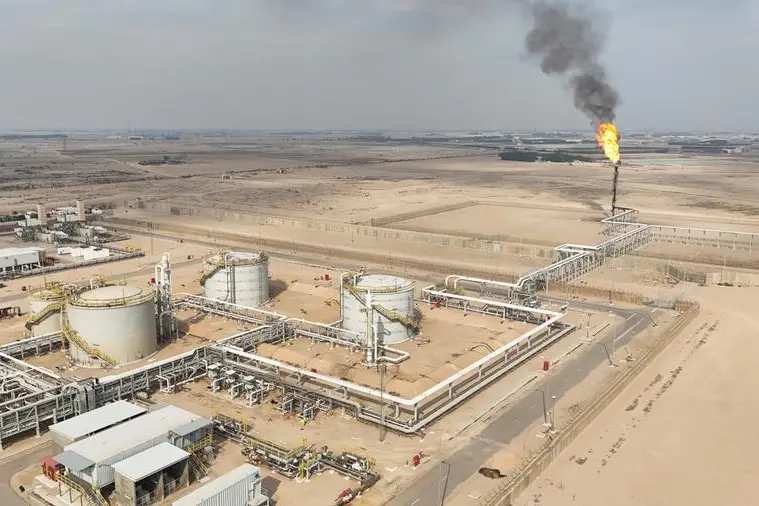
The Iran conflict, now past its 100th day, continues to inject uncertainty into markets. After Iran and Israel exchanged missile fire over the weekend, both sides announced pauses on Monday but left the door open to resume hostilities. While US-Iran negotiations on a framework deal have shown progress — with discussions centered on a 14-point memorandum of understanding — key issues including Iran’s nuclear program remain unresolved.npr
Reuters reported in late May that a deal could “take a few days,” but the weekend escalation has dimmed those hopes. For carry traders, the combination of a hawkish Fed, a firming dollar, and unresolved war risks represents a fundamental challenge to strategies that thrived when volatility was low and rate differentials were wide.reuters