







Newsletter Subscribe
Enter your email address below and subscribe to our newsletter

Enter your email address below and subscribe to our newsletter
All voices matter
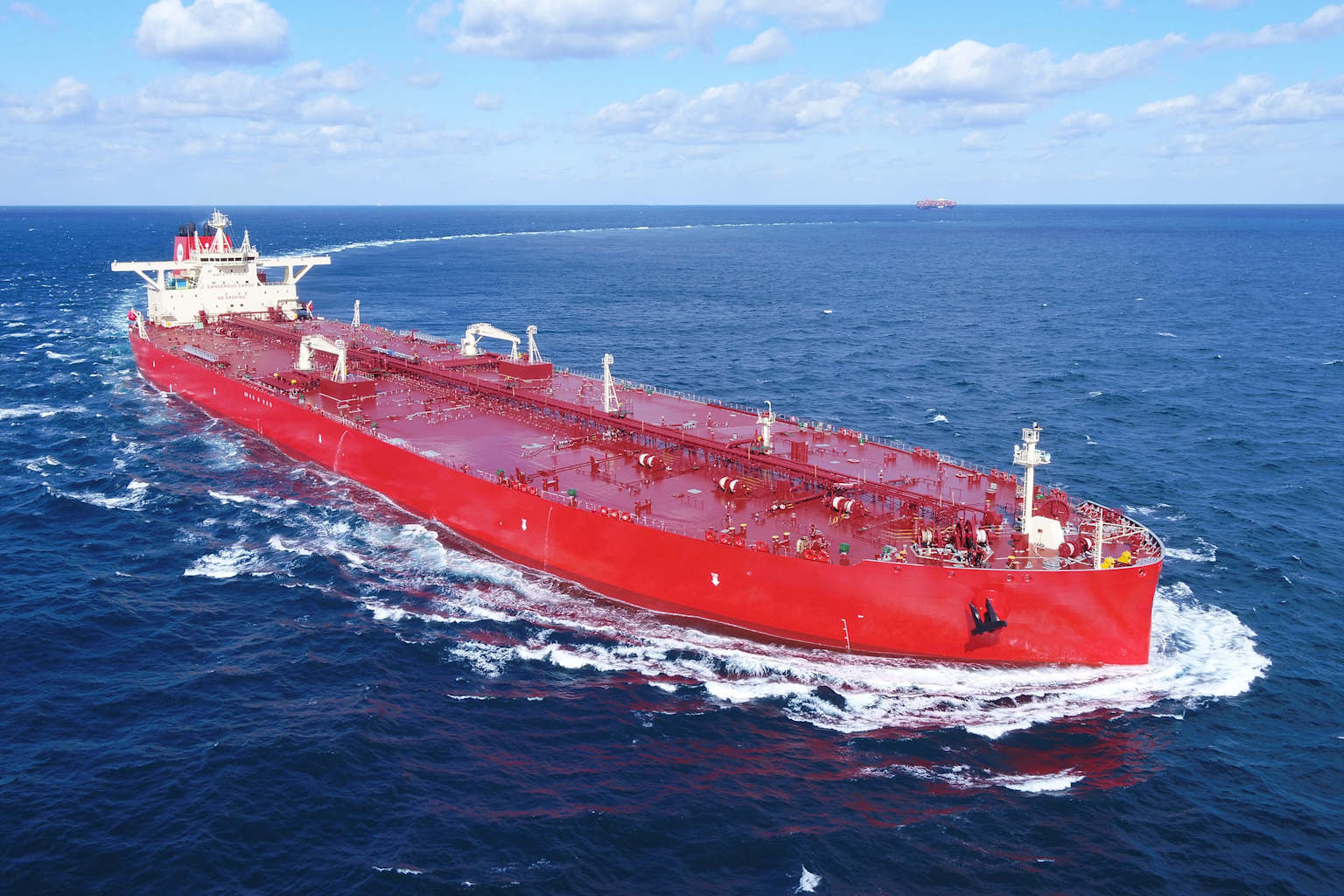
The global supertanker orderbook has reached an all-time high, with 262 very large crude carriers now on order at shipyards worldwide, eclipsing the previous record set during the 2008 shipping boom, according to Clarkson Research Services Ltd. The surge in contracting, valued at tens of billions of dollars, reflects a shipping industry betting that the prolonged closure of the Strait of Hormuz will keep freight markets running hot for years to come.bloomberg
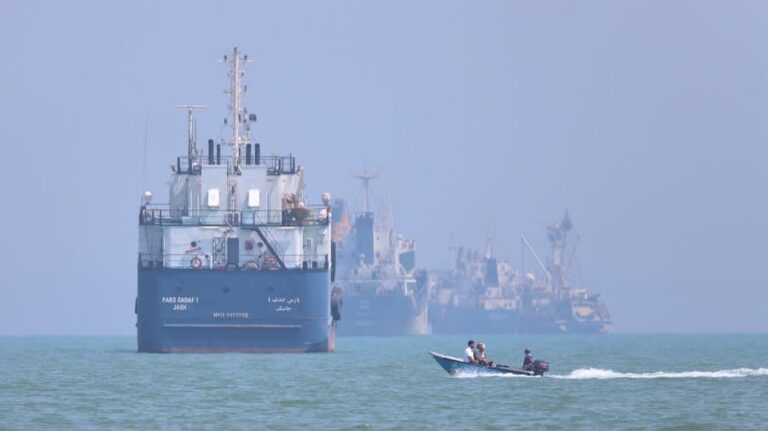
The ordering wave accelerated sharply after Iran effectively shut the Strait of Hormuz in late February 2026, blocking an estimated 95% of tanker traffic through a chokepoint that normally handles more than 100 ship transits per day. The disruption immobilized 329 crude and product tankers in the Middle East Gulf, including 72 VLCCs representing roughly 8% of global supply.breakbulk
In just the three months leading up to the closure, 88 VLCCs were ordered at a combined value of $10.4 billion — a 633% year-on-year increase. China’s Hengli Shipbuilding emerged as the most active yard, accounting for 35 VLCC orders in that period alone. The global shipping order book hit a 17-year high by the end of the first quarter, reaching 191 million Compensated Gross Tonnes according to BIMCO, equivalent to 17% of the global fleet.bimco
Spot freight rates reached extraordinary levels, with a single VLCC fixture recorded at $436,000 per day — the highest ever for a supertanker. The earnings environment compressed the theoretical payback period for a new $128 million vessel to less than nine months.breakbulk
The ordering frenzy comes amid increasingly urgent warnings about physical oil shortages. Chevron Chairman and CEO Mike Wirth said in May that “we will start to see physical shortages,” comparing the Hormuz closure’s potential impact to the supply crises of the 1970s. Goldman Sachs warned that global oil stocks could fall to 98 days of demand, with “the speed of depletion and supply losses in some regions” becoming a concern.reuters
South Korean conglomerate Sinokor Merchant Marine has emerged as a dominant force, accumulating roughly 120 VLCCs through purchases and charters, accounting for 76% of all secondhand VLCC sales in early 2026.gcaptain
Shipping analysts caution that the pattern — crisis earnings funding aggressive orders that deliver into a potentially normalized market — echoes previous boom-bust cycles. The VLCC orderbook now exceeds 140 ships representing 15% of the existing fleet, with deliveries expected to peak at 58 vessels in 2027. If diplomatic efforts succeed in reopening the strait before that tonnage enters service, owners who ordered at the top of the cycle could face a structurally oversupplied market.breakbulk