Newsletter Subscribe
Enter your email address below and subscribe to our newsletter

Enter your email address below and subscribe to our newsletter
All voices matter
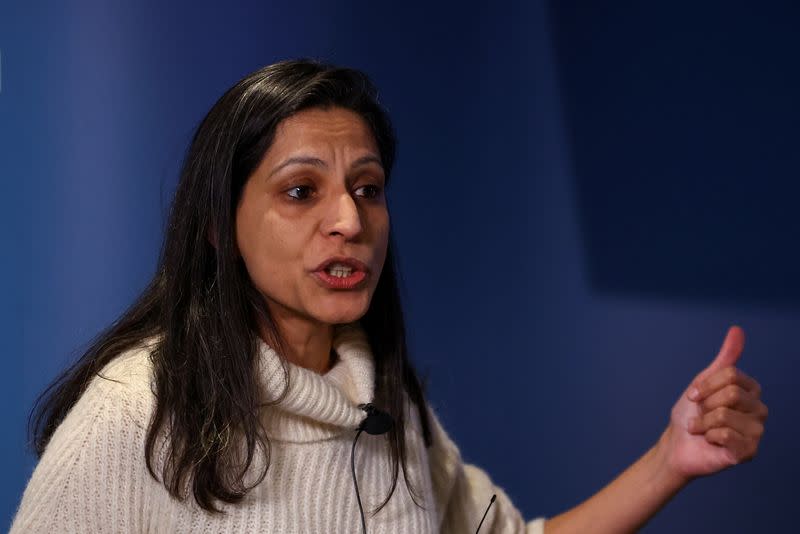
Bank of England policymaker Swati Dhingra said on Friday that the ongoing Middle East energy crisis makes it “quite difficult” to provide guidance on the future path of interest rates, as central banks across Europe grapple with a resurgence of inflation driven by the closure of the Strait of Hormuz.
“When it comes to predicting my interest rate decision for the upcoming month or beyond, I find it quite challenging. The major issue we face is the energy crisis,” Dhingra said at an event hosted by University College London. Markets are pricing in only a slim chance of a rate increase at the BoE’s next meeting on June 18, but assign roughly an 80% probability of a quarter-point hike by September.reuters
The European Central Bank is widely expected to raise its deposit rate by 25 basis points on June 11, becoming the first major central bank to tighten policy since the Iran war triggered a global energy shock earlier this year. Eurozone inflation accelerated to 3.2% in May, up from 3.0% in April, driven by a 10.9% surge in energy prices as the Strait of Hormuz blockade continues to choke hydrocarbon supplies.reuters
Core inflation, which strips out energy and food, rose to 2.5% from 2.2%, suggesting higher energy costs are filtering into broader price categories. Derivatives markets imply a roughly 97% likelihood of the June hike, with one or two additional increases expected in the autumn. Bloomberg survey data from May showed economists projecting quarter-point hikes in both June and September.morningstar
Across the Atlantic, Kansas City Fed President Jeffrey Schmid has echoed similar concerns. Speaking at a conference in Iceland on May 28, Schmid warned that the current oil shock should not be dismissed as temporary. “I place little stock in assuming that the most recent run-up in prices is transitory within an acceptable time horizon,” he said. “Now is not the time to let down our guard”.journalrecord
Schmid noted that inflation has plateaued around 3% and remains persistently above the Fed’s 2% target, complicating any argument that energy-driven price increases can be looked through. He suggested the Fed may need to consider making monetary policy more restrictive.indexbox
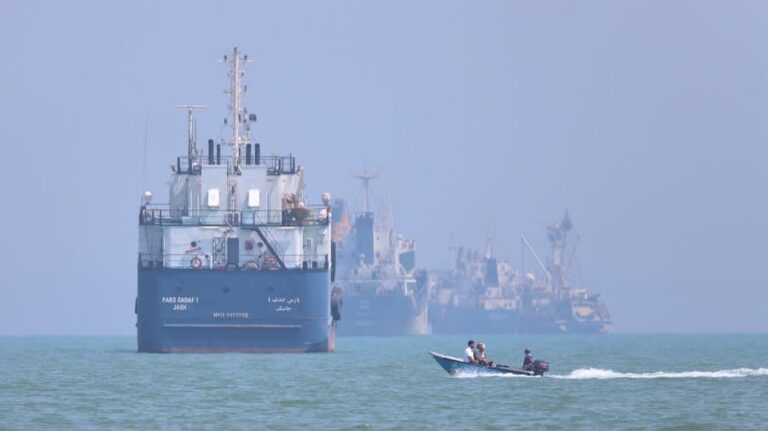
The crisis traces back to February 28, when Iran closed the Strait of Hormuz in response to U.S. and Israeli airstrikes, halting roughly 20% of global oil exports. While a ceasefire in April tempered the most aggressive rate hike expectations — markets had at one point priced in as many as four BoE increases — the persistence of elevated energy prices has kept central bankers on alert. The European Commission in May cut its 2026 eurozone growth forecast to 0.9% and raised its inflation projection to 3.1%.morningstar
For the BoE, Dhingra’s April meeting minutes revealed a willingness to cut rates if the conflict resolved quickly, but also openness to tightening if conditions worsened. With UK inflation already at 3.3% and expected to climb further, policymakers face an unenviable trade-off between supporting a weakening economy and containing price pressures.yahoo