



Newsletter Subscribe
Enter your email address below and subscribe to our newsletter

Enter your email address below and subscribe to our newsletter
All voices matter
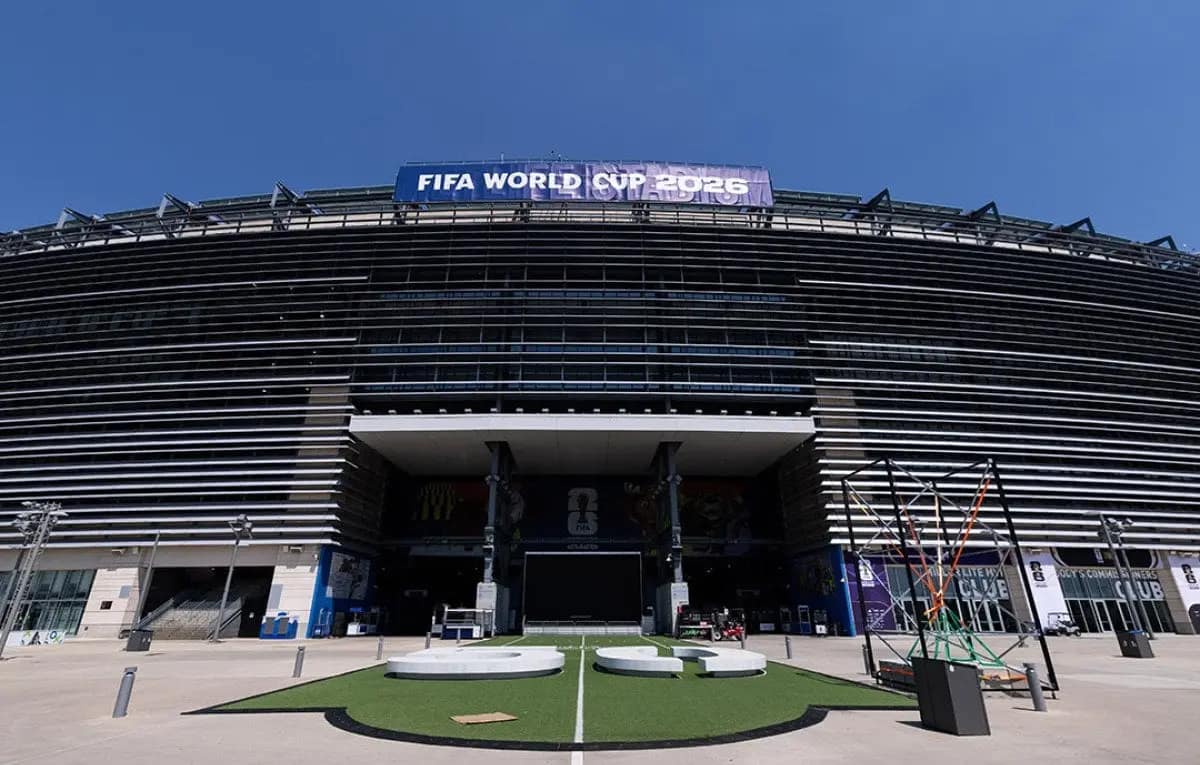
The 2026 FIFA World Cup, kicking off on June 11 across the United States, Canada, and Mexico, is poised to become one of the largest economic events in sporting history, with analysts forecasting tens of billions of dollars in consumer spending and GDP growth during the 39-day tournament.
Bank of America estimates the tournament could add $40.9 billion to global GDP and create more than 824,000 jobs worldwide, according to a joint FIFA-World Trade Organization study. The United States is projected to capture the lion’s share, with an estimated $17.2 billion in GDP contribution and 185,000 full-time equivalent jobs. The Centre for Economics and Business Research (Cebr) estimates direct consumer spending across the three host nations could reach $14.1 billion, spanning transport, accommodation, tickets, food and drink, and merchandise.linkedin
Yet some economists urge caution. A Natixis analysis noted that the U.S. GDP uplift amounts to roughly 0.05 percentage points — “barely perceptible at the aggregate level” — while Mexico may see a boost of just 0.1 to 0.2 percent. Oxford Economics has similarly concluded the gains will be “temporary, localised” and less dramatic than FIFA’s projections suggest.natixis
Across the Atlantic, a report from VoucherCodes.co.uk forecasts UK consumers will spend a record £3.8 billion over the course of the tournament, with £2.9 billion in retail spending alone and 26.4 million people expected to make at least one World Cup-related purchase. The British Beer and Pub Association projects pubs could pour an additional 55 million pints if a home nation reaches the final, generating roughly £275 million in extra revenue for a sector under pressure.mirror
The UK government has extended licensing hours, allowing pubs in England and Wales to serve until 1am for evening matches, removing the need for special permits if England progresses beyond the group stage. DoorDash, through its Deliveroo brand, has launched a global campaign as an official tournament supporter, while Co-op announced it will extend home delivery times for up to an hour after the final whistle on group-stage match nights.morningadvertiser
The spending patterns reveal clear winners. Hospitality venues, supermarkets, delivery platforms, and bookmakers stand to gain the most from what analysts describe as a shift toward at-home viewing and “watch party” culture. Domino’s has launched a promotion offering $1 million in free pizzas if a U.S. player receives a red card.londonlovesbusiness
However, the tournament’s timing — with many matches broadcast during evening hours in Europe — threatens to pull discretionary spending away from cinemas, sit-down restaurants, and other leisure activities. As the Morning Advertiser reported, consumer behavior is becoming “more deliberate,” with fans looking for “convenience, atmosphere and certainty” before committing to leaving home.morningadvertiser
The tournament runs through July 19, with the final at MetLife Stadium in New Jersey.aists