






Newsletter Subscribe
Enter your email address below and subscribe to our newsletter

Enter your email address below and subscribe to our newsletter
All voices matter
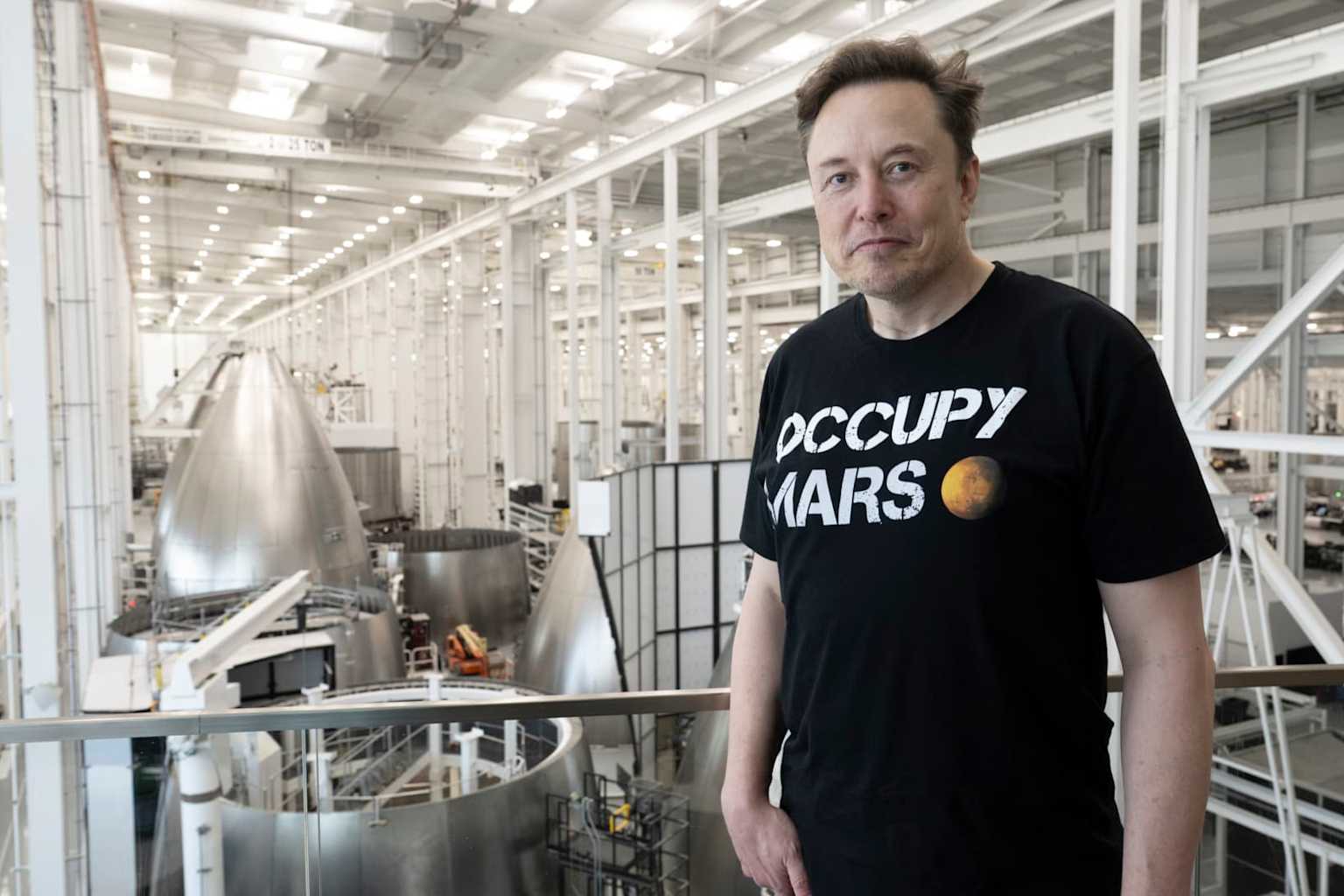
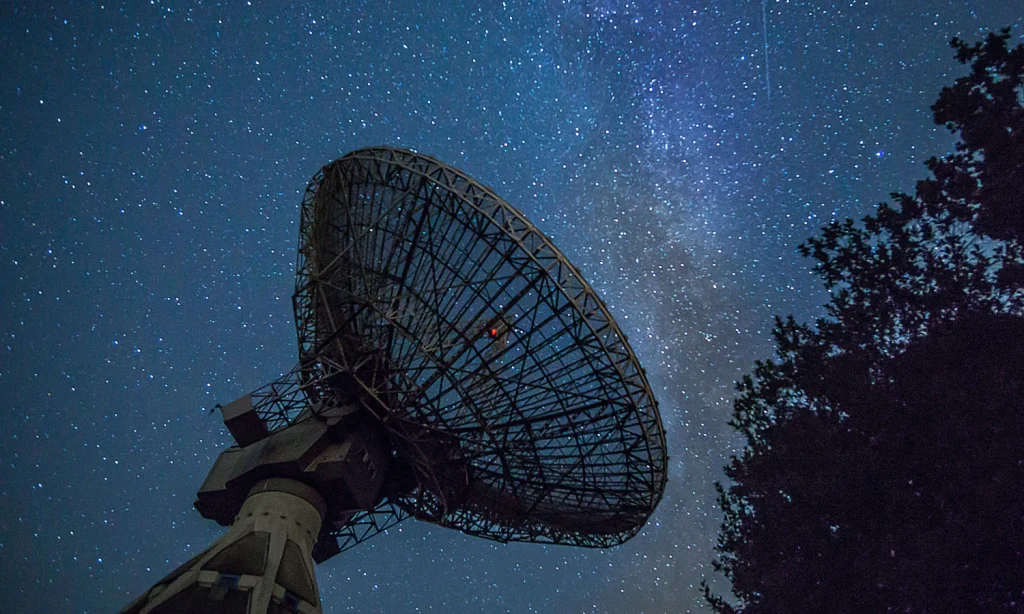
Elon Musk told JPMorgan CEO Jamie Dimon during SpaceX’s IPO roadshow that he plans to expand the Starlink satellite constellation tenfold, from roughly 10,000 to more than 100,000 satellites. “We are going to deploy, probably over 100,000 satellites just for communications,” Musk said, according to PCMag. The Wall Street Journal reported that Musk told the roadshow audience the IPO proceeds would fund the massive expansion.pcmag
The remarks came as SpaceX barrels toward what is expected to be the largest initial public offering in history, with the company setting a share price of $135 and targeting a $75 billion raise at a valuation of roughly $1.75 trillion. The listing on the Nasdaq under the ticker “SPCX” is anticipated on June 12.nypost
Central to the expansion plan are SpaceX’s next-generation V3 satellites, which are set to begin launching later this year aboard the company’s Starship rocket. Each V3 satellite will deliver roughly 1 terabit per second of downlink capacity — more than 10 times that of the current V2 Mini models — enabling true gigabit-speed internet for subscribers. SpaceX has said it is targeting mass deployment around the fourth quarter of 2026.facebook
The company filed an FCC application in April for a new ground station in Bastrop, Texas, dubbed “First of Its Name,” designed to interface specifically with the V3 constellation across an expanded range of radio spectrum bands. The FCC in January approved SpaceX to deploy up to 15,000 second-generation satellites and operate in additional Ku-, Ka-, V-, and W-band frequencies.basenor
Reaching 100,000 satellites would require clearance well beyond SpaceX’s current authorization. U.S. regulators have so far set a cap of roughly 19,400 Starlink satellites, meaning SpaceX will need substantial additional FCC approval to realize Musk’s vision. The company has separately filed an application to eventually launch up to one million satellites to serve as orbital data centers for artificial intelligence workloads, a proposal that has drawn skepticism from some space industry experts over its economic feasibility.bbc
SpaceX’s S-1 filing estimates Starlink’s total addressable market in connectivity at $1.6 trillion, part of a broader $28.5 trillion TAM that includes AI infrastructure and enterprise applications. The company generated $18.7 billion in revenue last year, with Starlink serving as its primary economic engine and providing service to more than 10 million active customers worldwide.fortune