







Newsletter Subscribe
Enter your email address below and subscribe to our newsletter

Enter your email address below and subscribe to our newsletter
All voices matter
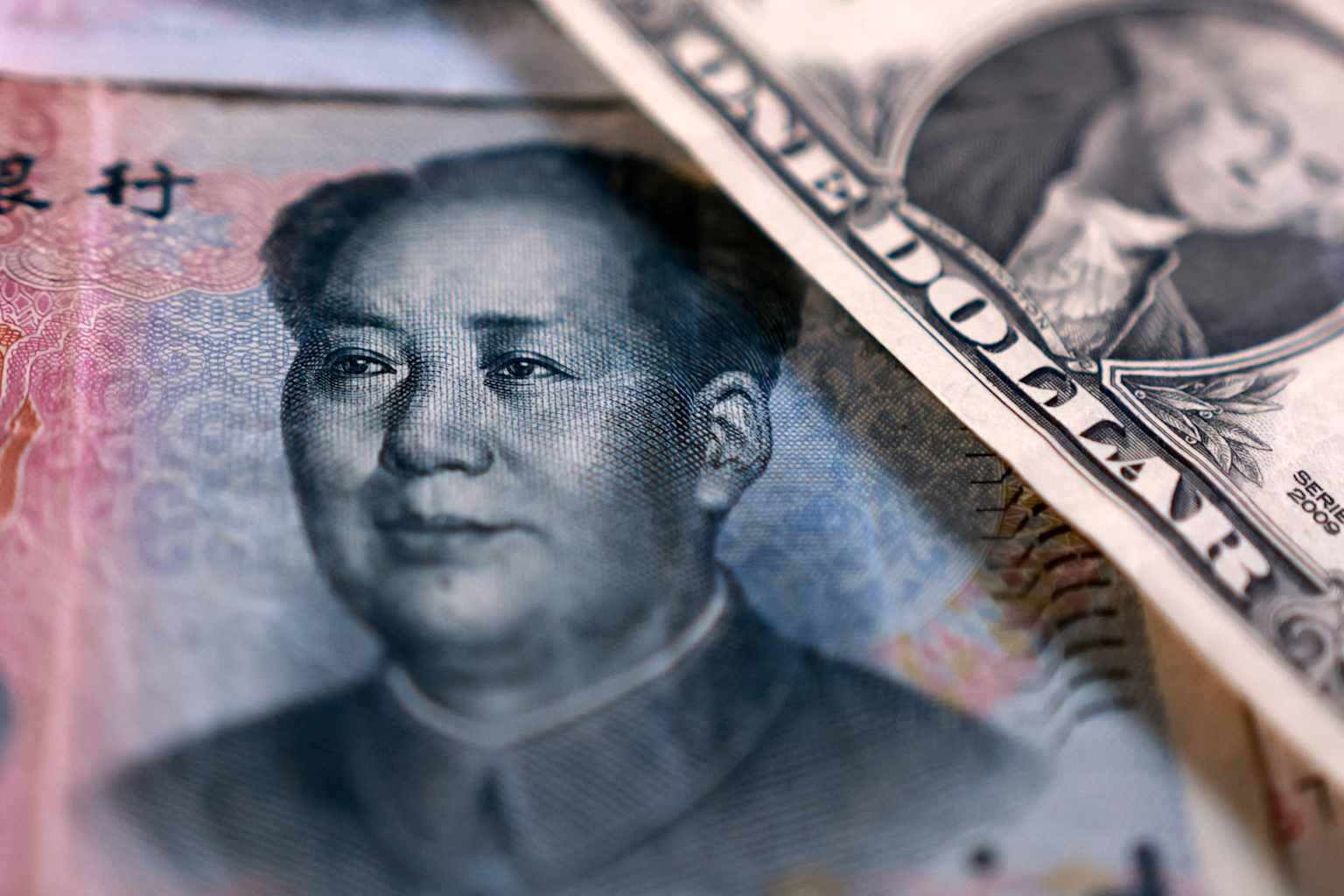
China is permitting select banks, including state-backed lenders, to offer corporate clients higher interest rates on US dollar deposits above the Secured Overnight Financing Rate, according to Bloomberg. The move marks a reversal from Beijing’s earlier policy of capping dollar deposit rates and is aimed at dampening the yuan’s sustained appreciation by encouraging companies to hold onto their dollars rather than converting them into the Chinese currency.bloomberg
The decision represents a notable shift in China’s approach to managing foreign exchange flows. As recently as February 2025, the People’s Bank of China directed banks nationwide to lower dollar deposit rates to discourage dollar hoarding and support the yuan at a time when the currency was under depreciation pressure. In 2023, major state banks slashed rates on dollar deposits multiple times under PBOC guidance to stem yuan weakness.asiafinancial
Now, with the yuan having strengthened roughly 5.6% against the dollar over the past 12 months and trading near three-year highs around 6.77 per dollar, authorities face the opposite problem. By allowing rates above the current SOFR level of approximately 3.61%, Beijing is creating incentives for Chinese firms to park export proceeds in dollar accounts rather than rushing to convert them into yuan — effectively easing upward pressure on the currency.global-rates
The rate adjustment fits within a wider toolkit the PBOC has deployed to manage the pace of yuan appreciation in 2026. The central bank has consistently set its daily dollar fixing rate weaker than market expectations, signaling a desire to slow gains. State commercial banks have also been active buyers of dollars in spot markets, a form of intervention that has drawn scrutiny from the US Treasury.marctomarket
According to analysis from the Council on Foreign Relations, China’s state banking system purchased an estimated $100 billion in foreign currency in December 2025 alone as part of what researchers describe as “backdoor intervention” to resist appreciation. The PBOC also removed the reserve requirement on foreign exchange forwards earlier this year, another tool aimed at moderating the yuan’s rise.cfr
The yuan’s gains have squeezed Chinese exporters, many of whom have accumulated an estimated $1 trillion in offshore dollar holdings. As the currency strengthens, exporters face pressure to convert those dollars back into yuan, creating a self-reinforcing appreciation cycle. By offering more attractive dollar deposit rates onshore, authorities hope to break that dynamic and give companies a reason to hold foreign currency domestically rather than sell it.reuters