Newsletter Subscribe
Enter your email address below and subscribe to our newsletter

Enter your email address below and subscribe to our newsletter
All voices matter
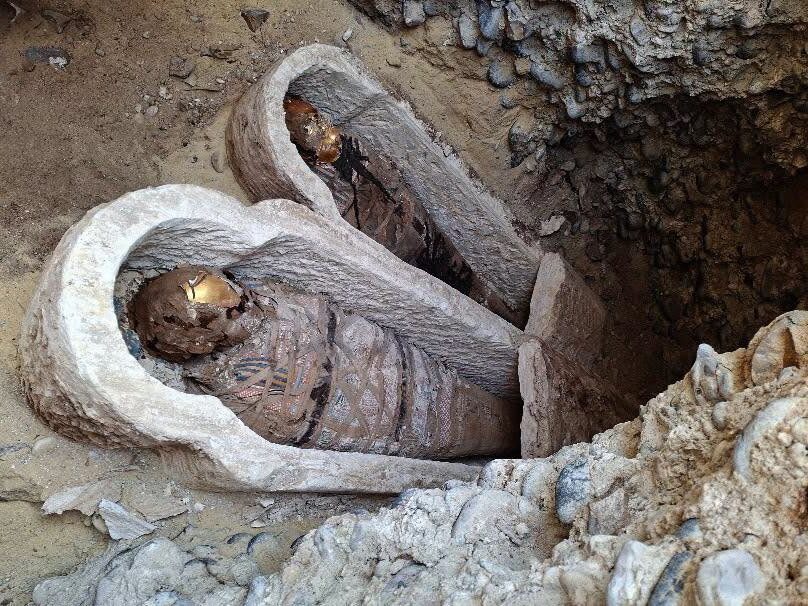
Archaeologists have discovered a papyrus fragment of Homer’s Iliad deliberately placed inside an ancient Egyptian mummy during embalming — the first time a Greek literary text has been found incorporated into the mummification process.
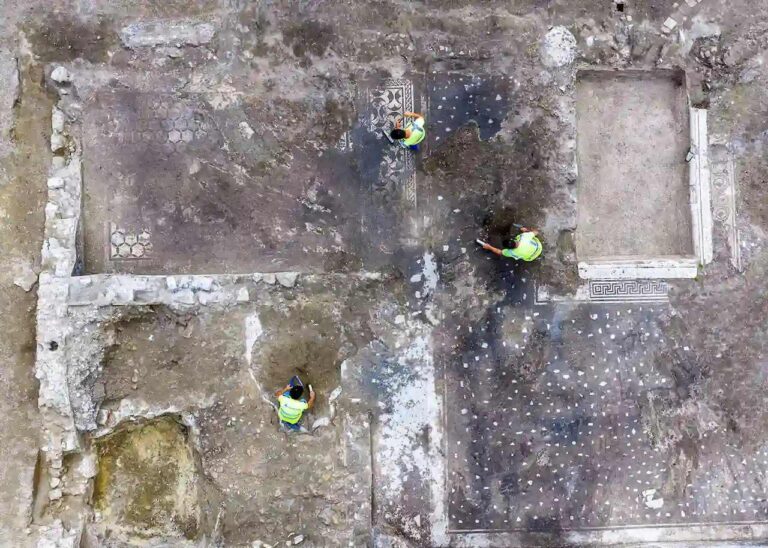
The Oxyrhynchus Archaeological Mission, led by the Institute of Ancient Near East Studies at the University of Barcelona, announced the find on April 19. During excavations between November and December 2025, Núria Castellano’s team uncovered a Roman-era mummy in Tomb 65 of Sector 22 at the Al Bahnasa necropolis — the site of ancient Oxyrhynchus, roughly 190 kilometers south of Cairo.ub
The mummy featured an unusual element: a papyrus placed on the abdomen as part of the embalming ritual. After restoration, researchers identified the text as belonging to the Catalogue of Ships in Book II of the Iliad, the famous passage listing Greek forces arrayed before Troy. Professor Adiego made the identification based on a reading by Leah Mascia.phys
While Greek papyri have previously been found within mummies from this era, those texts were predominantly magical or ritualistic in content. Mission co-director Maite Mascort explained that the Iliad manuscript had been reused: “A manuscript of the Iliad was used to write the magical texts that used to accompany the deceased,” she told the Catalan outlet Ara. The papyrus was folded and sealed with clay inside the body cavity, consistent with a Roman-era practice that replaced traditional canopic jars.yahoo
The tomb, dating to approximately 1,600 years ago, yielded other finds as well. The joint Spanish-Egyptian team unearthed several mummies from the Roman-era necropolis, some in wooden coffins and others wrapped in bandages with geometric patterns. Three mummies were found with gold tongues and one with a copper tongue placed inside their mouths — objects archaeologists say were part of funerary rituals linked to beliefs about the afterlife.greekreporter
The University of Barcelona’s archaeological mission at Oxyrhynchus has been running since 1992. The site has long been one of the richest sources of ancient papyri in the world, but the integration of a Greek literary classic into a burial rite opens new questions about the cultural overlap between Greek and Egyptian traditions in Roman-era Egypt. Researchers say the find highlights the spread of Greek literature during that period and adds to the cultural weight of a site that continues to surprise after more than three decades of excavation.ara