





Newsletter Subscribe
Enter your email address below and subscribe to our newsletter

Enter your email address below and subscribe to our newsletter
All voices matter
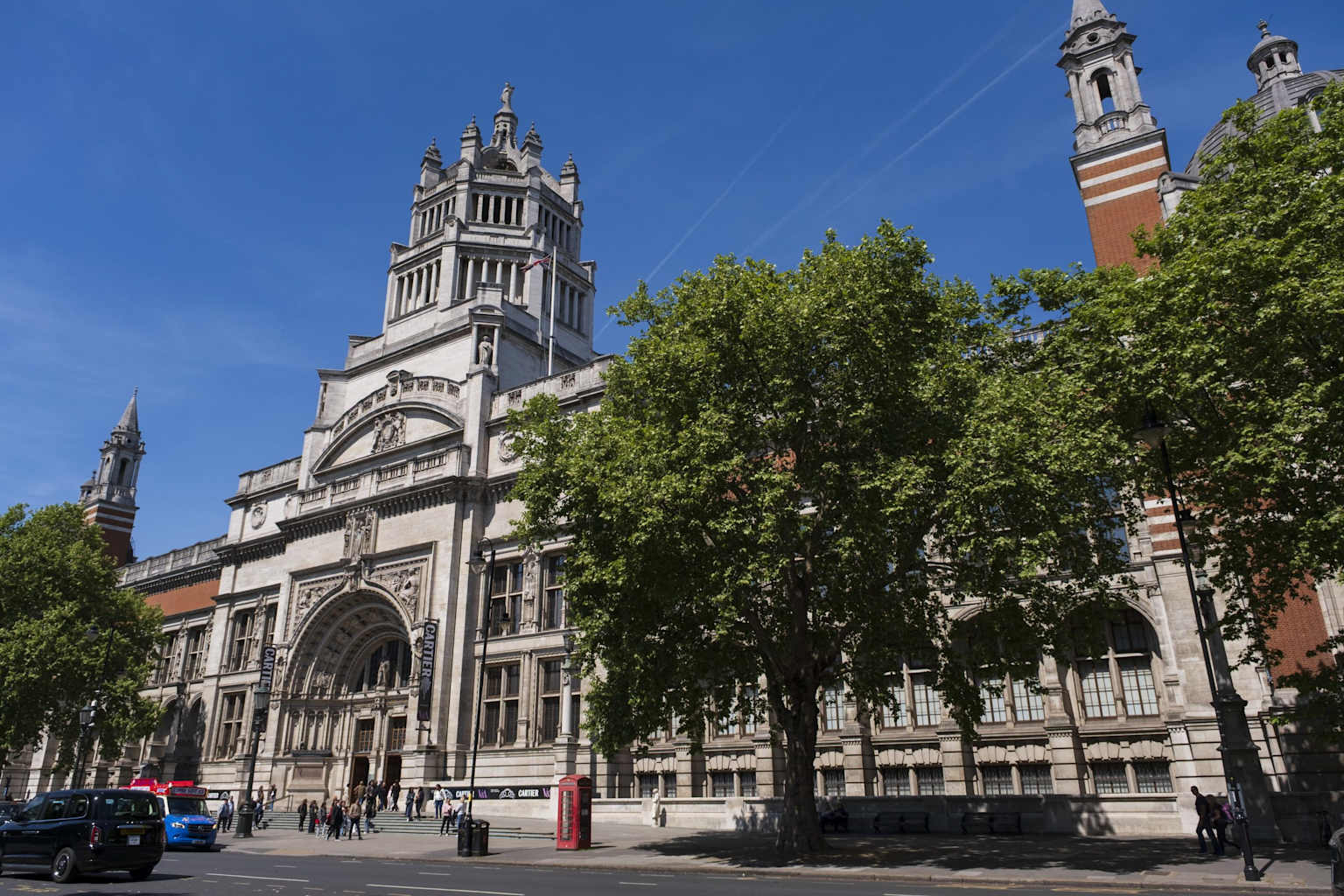
The Victoria and Albert Museum in London deleted maps and photographs from at least two exhibition catalogues after they were flagged by Chinese censors, according to an investigation by the Guardian published on Tuesday. The revelations have prompted alarm among free-expression advocates about the reach of Beijing’s censorship apparatus into British cultural institutions.artnet
Internal communications obtained through a freedom of information request show that the V&A’s Chinese printing firm, C&C Offset Printing, asked the museum to remove a 1930s map depicting British Empire trade routes from the catalogue for “Music is Black,” an exhibition opening this Friday at the new V&A East museum. “Our suggestion is to delete this map or use another image,” C&C Offset told the V&A in an email, after the map was rejected by Beijing’s General Administration of Press and Publication (GAPP).artnet
A V&A employee noted internally that the map showed “British colonial rule so nothing to do with China,” yet the museum complied, delaying printing until a replacement photograph could be sourced. A second catalogue, for the 2021 exhibition “Fabergé: Romance to Revolution,” also had a map and a photograph of Vladimir Lenin removed. In an internal email at the time, a staff member observed that “the list of restrictions is ever changing”.artnet
Maps are strictly regulated under Chinese law, with only licensed firms permitted to produce maps of Chinese geography, including territories Beijing claims. Several major UK institutions, including the Tate and the British Museum, use Chinese printers to reduce production costs and must navigate GAPP’s requirements.artnet
Sam Dunning, director of UK-China Transparency, called the pattern “disturbing.” He warned: “It starts with minor edits. Ultimately, if you start compromising on independence to a minor degree, the line may move”. Jessica Ní Mhainín of Index on Censorship argued that historical maps are “important records of how societies understand geography, power and the past,” and cautioned that “economic dependence on China can drive self-censorship”.artnet
The V&A said it prints books in China on “a case-by-case basis” and maintains “close editorial oversight”. A spokesperson described the edits as “minor,” stating: “We were comfortable making these minor edits, as they did not affect the narrative, and would obviously pull production if we felt any requested change was problematic”.artnet
The disclosures arrive at a sensitive moment for UK-China relations. Prime Minister Keir Starmer visited Beijing in January accompanied by business and cultural leaders, the first such trip by a British prime minister in eight years. The case echoes broader international concerns about what experts term “transnational repression” — last year, France’s state-run Musée Guimet was sued by pro-Tibetan groups for allegedly erasing Tibet’s cultural identity from its displays under Chinese pressure.theguardian