Newsletter Subscribe
Enter your email address below and subscribe to our newsletter

ყველა ხმა მნიშვნელოვანია
ყველა ხმა მნიშვნელოვანია

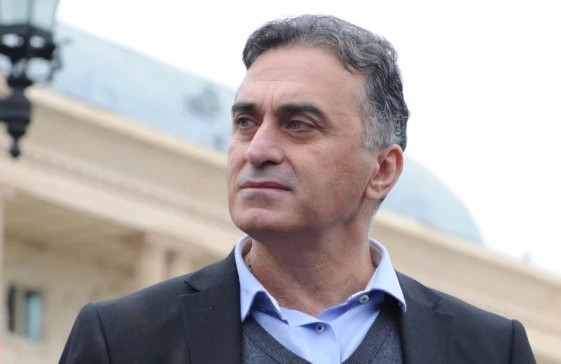
პირველი არხი+2პირველი არხი+2პირველი არხი+2ოკუპირებული ტერიტორიებიდან დევნილთა, შრომის, ჯანმრთელობისა და სოციალური დაცვის მინისტრმა მიხეილ სარჯველაძემ დევნილთა განსახლების პროექტებზე ისაუბრა. თბილისში, თვალჭრელიძის ქუჩაზე აშენებულ 11 კორპუსში, სადაც 2 426 ბინაა, 1600 დევნილი ოჯახი დასახლდება. მინისტრის განცხადებით, ეს პროექტი პრემიერ-მინისტრ ირაკლი კობახიძის ჩართულობით განხორციელდა. ბინები დევნილებს პრემიერ-მინისტრმა, ჯანდაცვის მინისტრმა და დედაქალაქის მერმა საზეიმოდ გადასცეს. პირველი არხი+2
მინისტრის თქმით, მსგავსი პროექტები საქართველოს რამდენიმე ქალაქში პარალელურად მიმდინარეობს, რის შედეგადაც ახლო მომავალში კიდევ დაახლოებით 2 700 დევნილი ოჯახი მიიღებს ახალ ბინას. აღნიშნული პროექტები, მათ შორის თბილისის 280 მილიონი ლარის ღირებულების პროექტი და „სოფლად წადი“ ან „სოფლად სახლი“ პროგრამები, მიზნად ისახავს დევნილი ოჯახების საცხოვრებელი პირობების გაუმჯობესებას. პირველი არხი+2
მიხეილ სარჯველაძემ აღნიშნა, რომ ეს პროექტები სახელმწიფოს მხრიდან დევნილებზე ზრუნვის დადასტურებაა და არა მხოლოდ ვალდებულების შესრულება. მინისტრის განცხადებით, დევნილთა განსახლებისთვის გამოყოფილი თანხა მნიშვნელოვნად აღემატება 2012 წლის ბიუჯეტს. პირველი არხი+2