



Newsletter Subscribe
Enter your email address below and subscribe to our newsletter

Enter your email address below and subscribe to our newsletter
All voices matter
A groundbreaking digital reconstruction project has revealed that wealthy Pompeii families likely built impressive towers as symbols of their status and influence, challenging long-held assumptions about how the ancient Roman city’s upper floors were used.
The discovery was announced in a study published Monday in the Archaeological Park of Pompeii’s e-journal, part of the innovative POMPEII RESET project—a collaboration between the Pompeii Archaeological Park and Berlin’s Humboldt University.pompeiisites
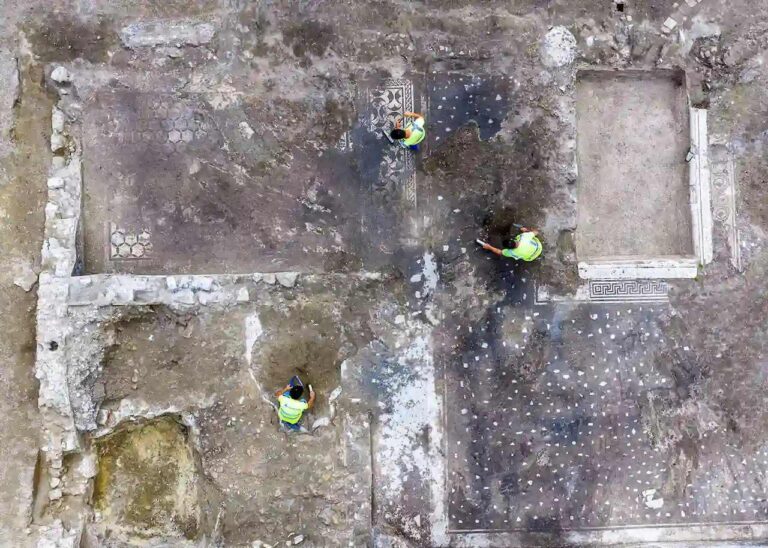
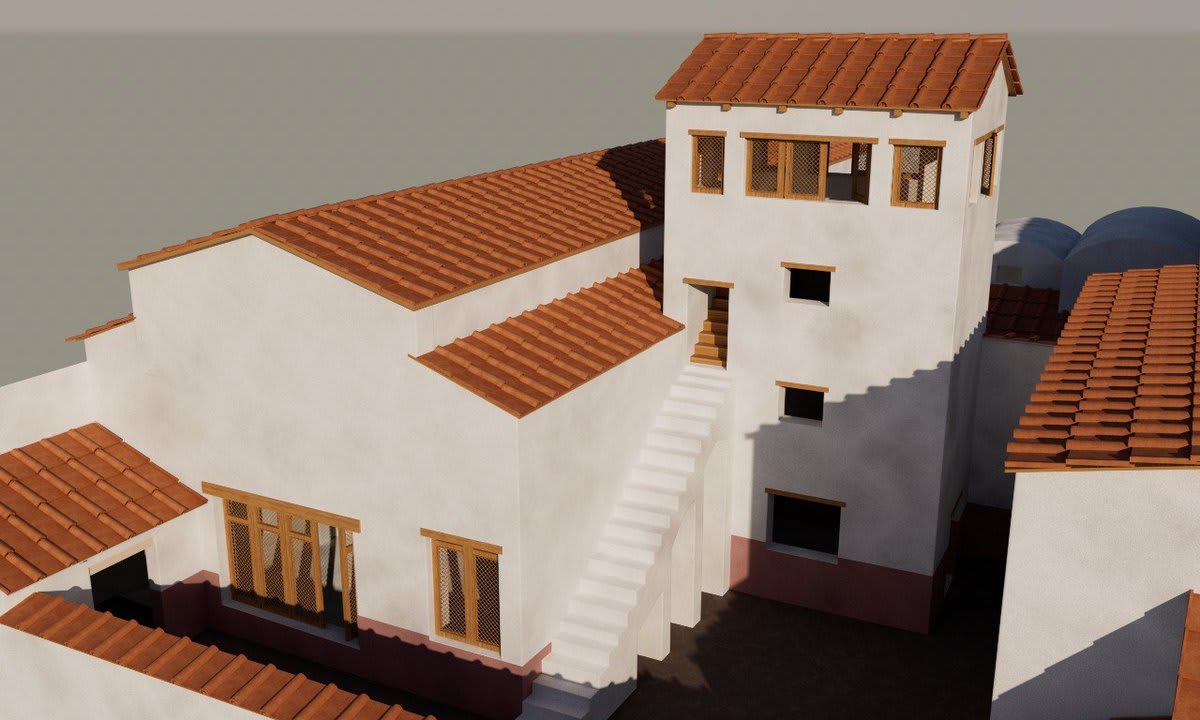
Researchers led by Gabriel Zuchtriegel, director of the Pompeii Archaeological Park, and Professor Susanne Muth from Humboldt University’s Department of Classical Archaeology focused on a mysterious architectural feature: a monumental staircase in the House of Thiasus that appeared to lead nowhere.pompeiisites
Using state-of-the-art 3D reconstruction technology, the team hypothesized that this staircase originally led to a 12-meter-tall tower offering panoramic views of the ancient city, the Bay of Naples, and the night sky. The digital model shows a two-level tiled structure connected by an internal wooden staircase, linking a service area below to an upper dining chamber with sweeping vistas.theartnewspaper
“Lost Pompeii mainly consists of upper floors, which are essential for understanding ancient life,” Zuchtriegel explained. “By combining data in 3D models, we can reconstruct experiences, spaces and social dynamics of the time.”artnews
The findings directly challenge the widespread belief that upper floors in Pompeii were primarily used as “cheap rentals or slave quarters”. Instead, the research suggests these elevated spaces may have housed luxurious amenities for the elite, including towers that served as symbols of power and wealth.theartnewspaper
The reconstructed tower recalls descriptions from Roman literature, including Pliny the Younger’s Villa Laurentina, and mirrors depictions in Pompeian frescoes showing multi-level buildings with towers, balconies, and bridges. Historical references include the tower of Maecenas, from which Emperor Nero allegedly watched Rome burn in 64 CE.artnews
“While they didn’t reach the levels of medieval cities such as Bologna or San Gimignano, at Pompeii too the large residences of emerging families could have towers, the symbols of the power and wealth of the local elite,” the researchers noted.finestresullarte
The POMPEII RESET project represents a new frontier in archaeological research, using digital twin technology and virtual simulation to reconstruct what has been lost to time and volcanic destruction. The House of Thiasus, named after large-scale Dionysian frescoes discovered during recent excavations, serves as the project’s primary case study for understanding how Pompeii’s wealthy residents lived above ground level.finestresullarte