






Newsletter Subscribe
Enter your email address below and subscribe to our newsletter

Enter your email address below and subscribe to our newsletter
All voices matter
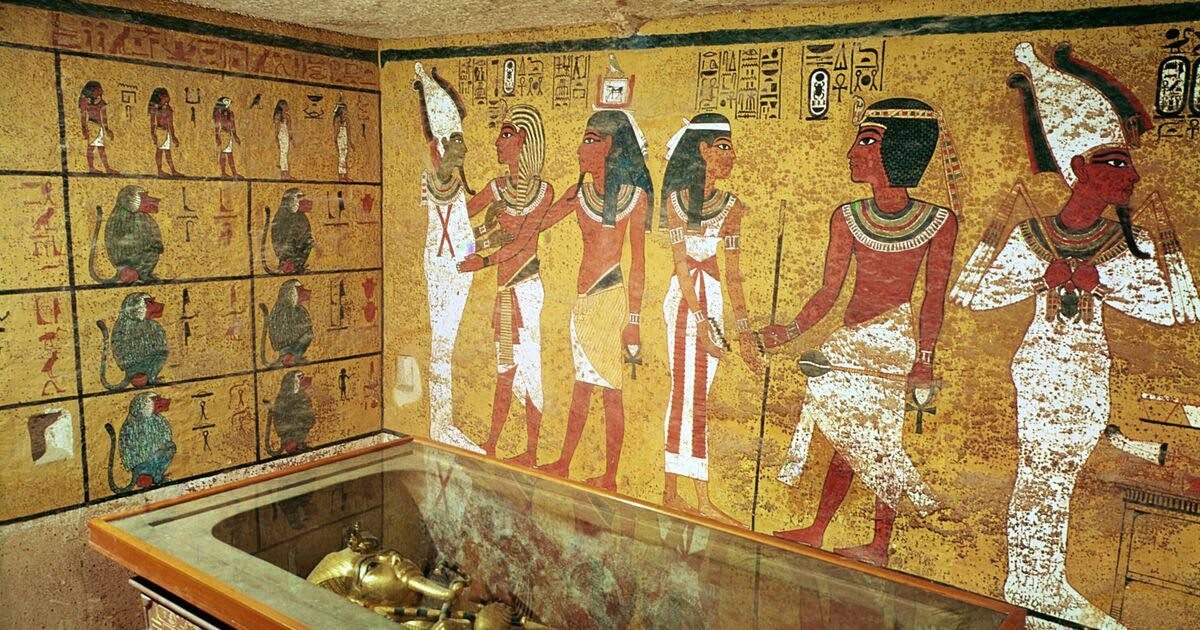
Egyptian authorities have forcefully denied recent scientific warnings that King Tutankhamun’s tomb faces imminent collapse, creating a high-stakes dispute over the fate of one of the world’s most famous archaeological treasures.
The Egyptian Ministry of Tourism and Antiquities issued an official statement on October 21 dismissing claims that the 3,300-year-old burial site is at risk due to structural damage and water infiltration. Mohamed Khaled, Secretary-General of the Supreme Council of Antiquities, described the reports as “completely unfounded,” asserting that the tomb is structurally sound with “no threats to its stability or to the integrity of its wall paintings”.gbnews
The controversy stems from a Cairo University study published in Nature’s npj Heritage Science journal, led by Sayed Hemeda, Professor of Preservation of Architectural Heritage. The research team documented extensive structural problems, including a major fracture running across the ceiling of both the burial chamber and entrance that allows rainwater to penetrate and worsen existing cracks.gbnews
Hemeda’s study identified the catastrophic 1994 flood as a turning point, when torrential waters swept through the Valley of the Kings, dramatically elevating moisture levels and creating ideal conditions for destructive fungal growth. The tomb’s construction from Esna shale rock, which expands and contracts with humidity changes, has made it particularly vulnerable to deformation.greekreporter
“There are current and future risks facing the burial site that will affect its structural integrity in the long term,” Hemeda told the Daily Mail. Mohamed Atia Hawash, Professor of Architectural Conservation at Cairo University, warned that “a disaster could strike at any moment” if preventive action isn’t taken.nypost
Egyptian officials counter that continuous monitoring through their partnership with the Getty Conservation Institute shows the tomb remains stable. According to the ministry, a recent Getty Conservation Institute report confirmed that “no physical or chemical changes have been observed in the tomb’s condition for over 100 years”.ahram
The government suggests the research may contain “inaccurate assumptions and exaggerated conclusions” and could result from confusion between Tutankhamun’s tomb (KV62) and another burial site in the Valley of the Kings. The Getty Conservation Institute has conducted extensive conservation work on the tomb since 2009, installing filtered ventilation systems and establishing visitor capacity limits.campbellsci
The tomb, discovered by British archaeologist Howard Carter in 1922, originally contained over 5,000 artifacts including Tutankhamun’s iconic golden mask. While most treasures were relocated to museums, the burial chamber’s wall paintings depicting the pharaoh’s journey into the afterlife remain in situ, making preservation critical for both archaeological and tourism interests.nypost