





Newsletter Subscribe
Enter your email address below and subscribe to our newsletter

Enter your email address below and subscribe to our newsletter
All voices matter
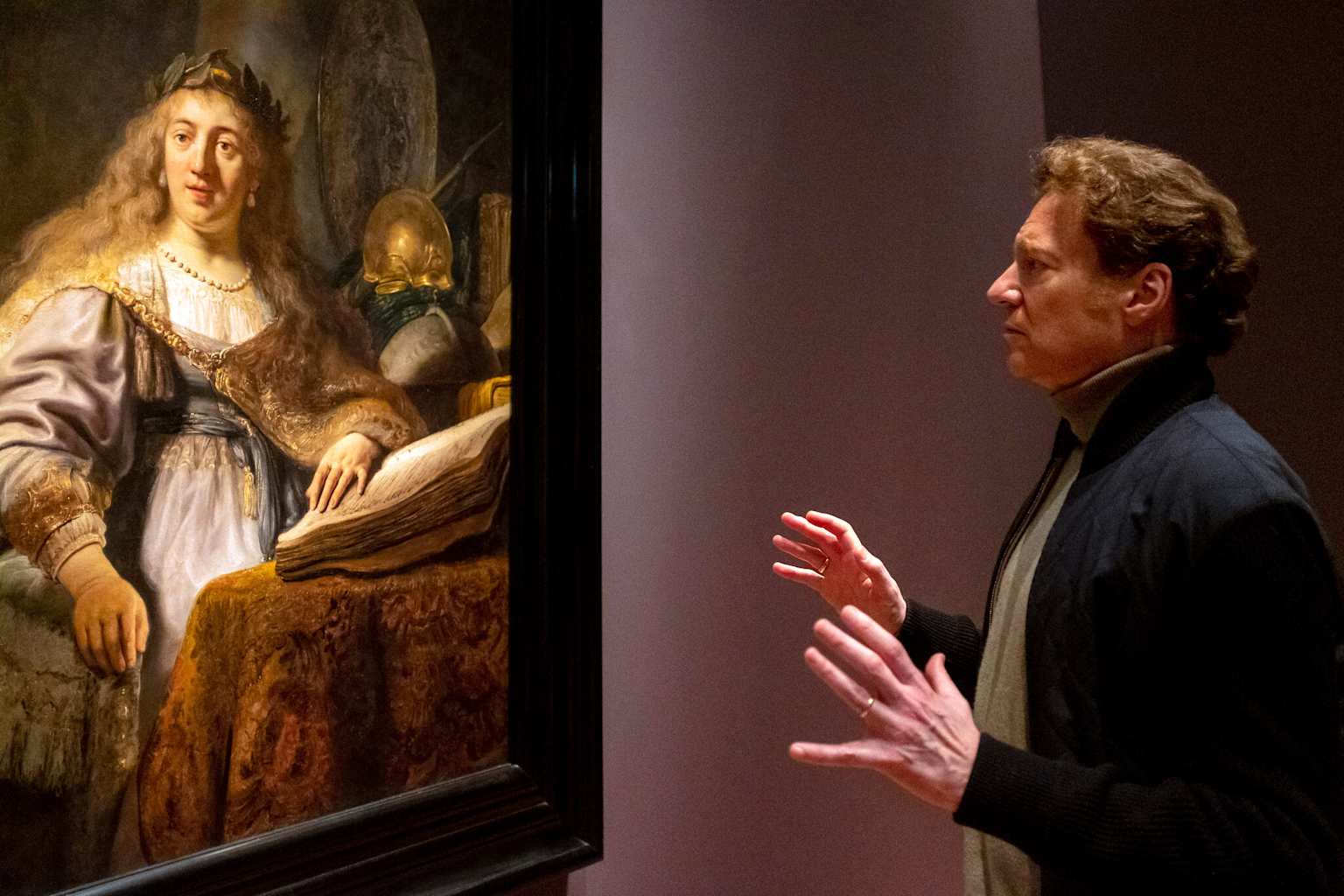
Thomas Kaplan, the billionaire investor behind the world’s largest private collection of Rembrandt paintings, has announced plans to fractionalise his art holdings and launch them as shares on a public stock exchange. The Leiden Collection, comprising over 220 Dutch Golden Age masterpieces including 17 Rembrandts and the only privately held Vermeer, could debut as an initial public offering in the first half of 2026.theartnewspaper
The project, dubbed “Project Minerva” after Rembrandt’s 1635 painting Minerva in Her Study that anchors the collection, would allow millions of ordinary investors to own shares in works by history’s greatest masters. According to The Art Newspaper, Kaplan told the publication he is “in advanced discussions to fractionalise his Leiden Collection” and hopes “to take the entire collection public”.theartnewspaper
Kaplan’s vision extends beyond traditional art ownership, drawing inspiration from the NFT boom of the early 2020s. The businessman, who began assembling the collection in 2003 with his wife Daphne Recanati Kaplan, has applied for trademarks including “Rembit” and “Rembitcoin” – potential names for the tokens that would represent fractional ownership in the artworks.theartnewspaper
“I think assets, such as really great art, are going to multiply manyfold because they are truly scarce, and there’s so much money sloshing around that will need a home and this is a great value proposition,” Kaplan explained. The shares would be tradeable on exchanges such as the New York Stock Exchange, with the Kaplan family retaining a controlling interest to preserve the collection’s mission as a lending library to museums worldwide.theartnewspaper
The timing aligns with broader market trends toward asset tokenization. In September 2025, Nasdaq filed a proposal with the Securities and Exchange Commission to enable trading of tokenized equity securities on its platform. This regulatory development could provide the infrastructure necessary for projects like Kaplan’s to operate within established financial frameworks.regulatoryandcompliance
The announcement comes as the collection prepares for its largest U.S. exhibition to date. Art and Life in Rembrandt’s Time: Masterpieces from The Leiden Collection opens October 25, 2025, at the Norton Museum of Art in West Palm Beach, Florida, displaying 76 paintings by 27 artists. The exhibition, running through March 29, 2026, coincides with the 400th anniversary of the Dutch founding of New Amsterdam and represents the collection’s first major American presentation.theleidencollection
Kaplan describes himself as a “Rembrandt evangelist” and sees fractionalisation as advancing the artist’s legacy. “To my mind the best way to evangelise for Rembrandt is by giving millions, maybe tens of millions, of ordinary people the opportunity to own a Rembrandt,” he stated. The collector emphasizes that he and his wife have never displayed any collection works in their home, instead prioritizing public access through museum loans to over 70 institutions globally.theartnewspaper
The initiative also addresses succession concerns, as Kaplan noted his three children “have no interest in material objects” and asked him to “find a solution for the future”. Rather than traditional estate planning, the billionaire has chosen market innovation as his answer, potentially creating a new asset class that democratizes access to Old Master paintings while ensuring the collection’s continued public benefit.theartnewspaper
The art tokenization market has gained momentum in 2025, with platforms like Artemundi and Splint Invest already offering fractional ownership of masterpieces. However, Kaplan’s collection would represent the largest and most prestigious art IPO attempted to date, potentially validating fractional ownership as a legitimate investment category for institutional and retail investors alike.artemundi