






Newsletter Subscribe
Enter your email address below and subscribe to our newsletter

Enter your email address below and subscribe to our newsletter
All voices matter
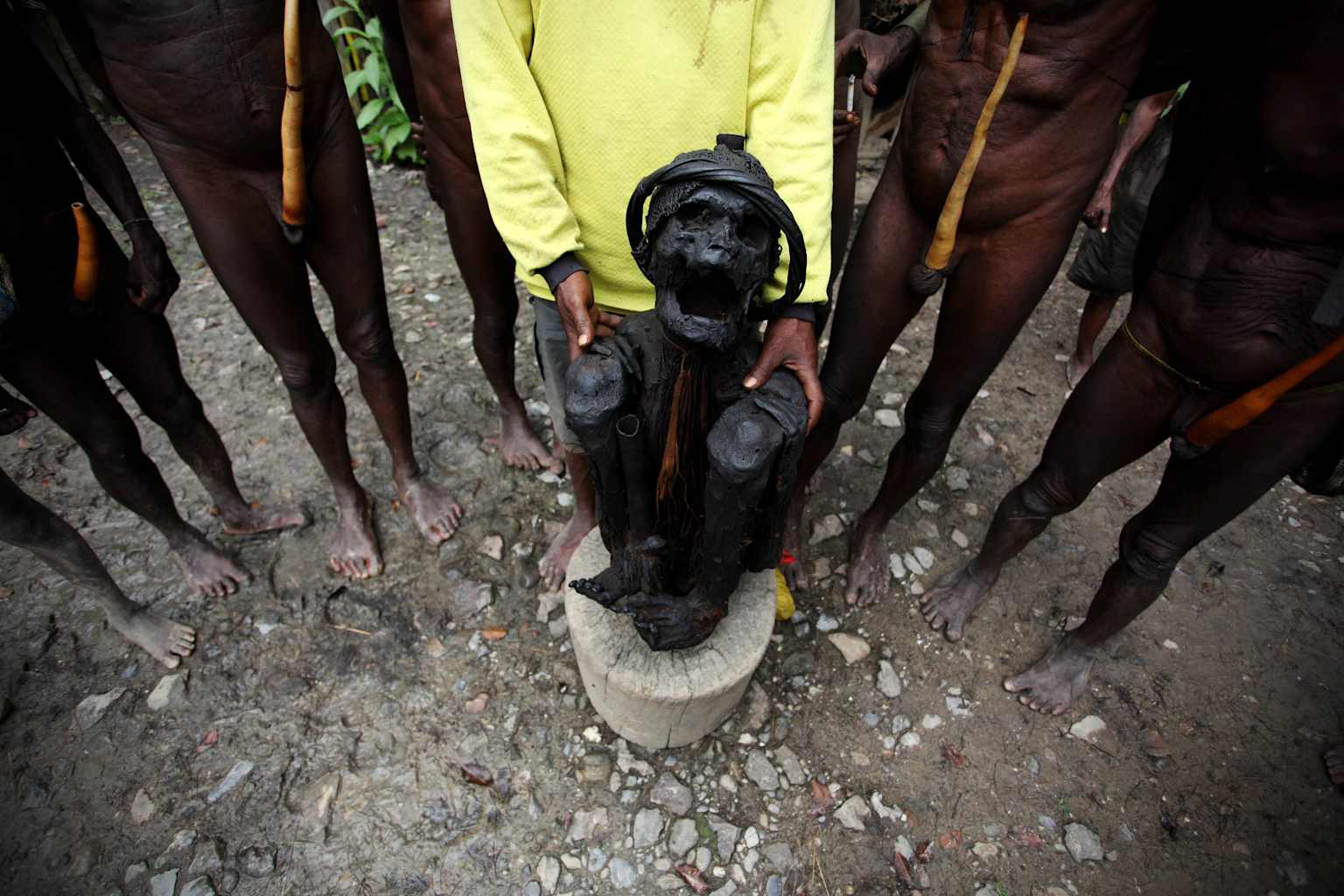
Scientists have discovered what they believe to be the oldest human mummies in the world, preserved through smoke-drying techniques dating back as far as 14,000 years in Southeast Asia. This finding, published in Proceedings of the National Academy of Sciences, pushes back the timeline of artificial mummification by at least 5,000 years before the previously oldest known examples.iflscience
The international research team, led by archaeologist Hsiao-chun Hung from the Australian National University, examined 54 hunter-gatherer burial sites across Southeast Asia dating from 12,000 to 4,000 years ago. The bodies were found in distinctive tightly bound, crouched positions, often showing signs of partial burning but not full cremation.iflscience
Using X-ray diffraction and infrared spectroscopy on 69 bone samples from 54 burials, researchers found that over 90 percent showed evidence of heat exposure. According to Hung, “Smoked mummification takes about three months, during which time the body is slowly and continuously heated over a low fire”.newscientist
The evidence suggests this smoke-dried mummification was practiced across a vast geographical area spanning southern China, Southeast Asia, and islands including Borneo and Java. The oldest confirmed mummy analyzed by the team, from Hang Cho, Vietnam, was over 11,000 years old, while similarly bound skeletons from Hang Mu, Vietnam, were estimated at over 14,000 years old.sciencenews
This ancient practice bears remarkable similarity to current customs of the Dani community in West Papua, Indonesia, who still mummify deceased family members by exposing bodies to smoke. The preserved mummies are then honored and maintained within homes.newscientist
Previously, the Chinchorro people of northern Chile, who mummified their dead approximately 7,000 years ago, were considered to have created the oldest artificial mummies. Ancient Egyptian mummification practices, perhaps the most famous, began around 4,500 to 6,330 years ago.newsweek
“This is the first time any such evidence has been found of this kind of treatment being applied to dead people in Paleolithic times,” said co-author Professor Peter Bellwood from the Australian National University.iflscience
The research suggests these hunter-gatherer communities may represent descendants of the first modern humans to arrive in Southeast Asia after migrating out of Africa around 60,000 years ago. Vito Hernandez from Flinders University noted that this discovery “positions Southeast Asia as an independent hub of cultural innovation” while emphasizing enduring cultural connections to present-day Indigenous populations in New Guinea and Australia.newscientist
The practice appears to have persisted until around 4,000 to 3,500 years ago, when agricultural societies began to dominate the region. According to study author Hirofumi Matsumura from Sapporo Medical University, the tradition “allowed people to sustain physical and spiritual connections with their ancestors, bridging time and memory”.startribune