






Newsletter Subscribe
Enter your email address below and subscribe to our newsletter

Enter your email address below and subscribe to our newsletter
All voices matter
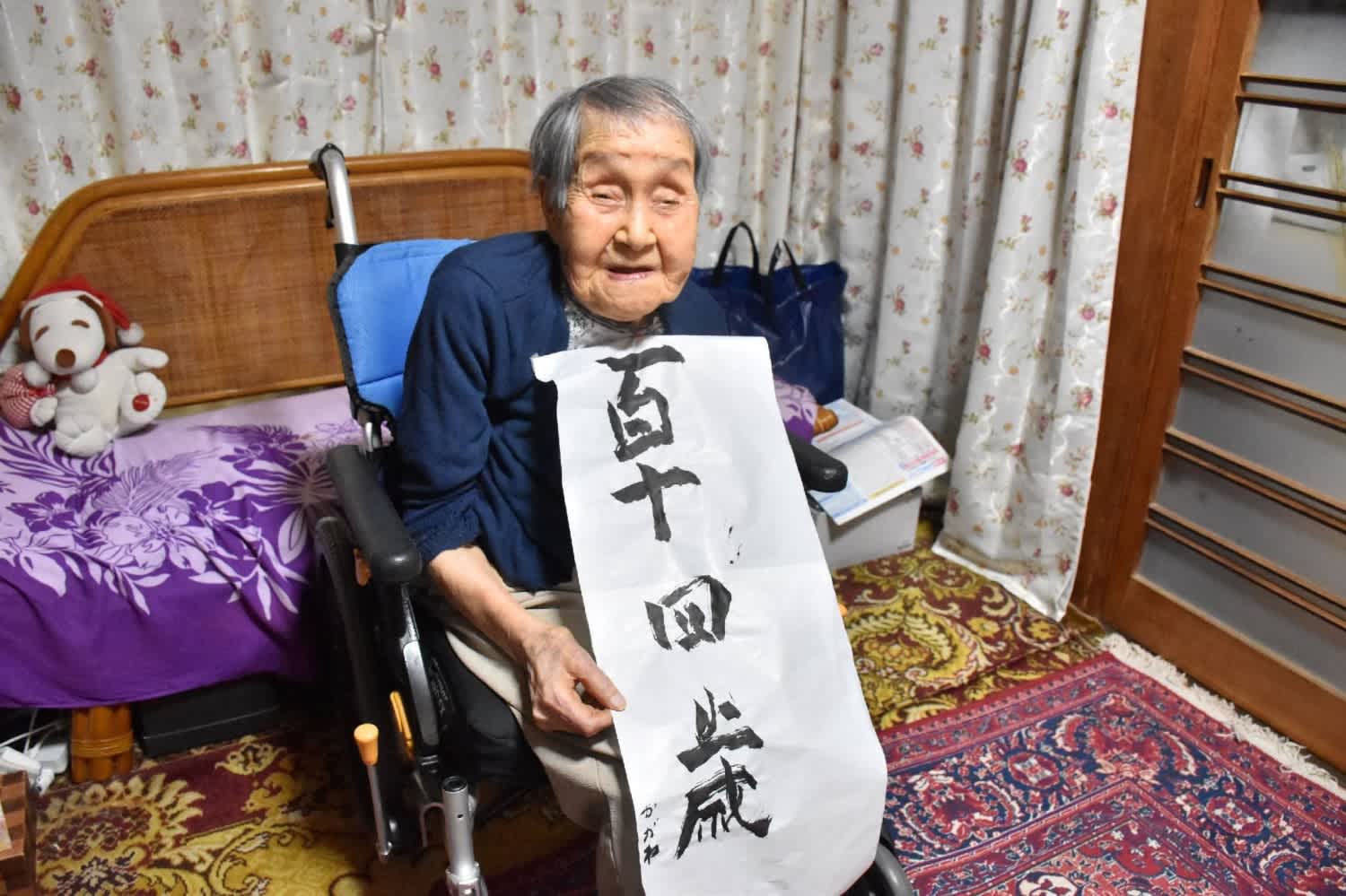
Japan’s government announced Friday that the nation’s centenarian population has reached a record 99,763 people aged 100 or older as of September 15, marking the 55th consecutive year of growth in this demographic milestone. This achievement comes as the country observes Respect for the Aged Day on Monday, when new centenarians receive congratulatory letters and silver cups from the prime minister.gmw
The latest figures from the Ministry of Health, Labor and Welfare show women comprise an overwhelming 88% of Japan’s centenarian population, with 87,784 women compared to 11,979 men. The number rose by 4,644 from the previous year, reflecting the country’s continuing status as having the world’s longest life expectancy at 87.13 years for women and 81.09 years for men.japantimes
Japan’s oldest living resident is 114-year-old Shigeko Kagawa from Yamatokoriyama in Nara Prefecture, a retired obstetrician-gynecologist who worked until age 86. The oldest man is 111-year-old Kiyotaka Mizuno from Iwata in Shizuoka Prefecture. The centenarian population has grown dramatically since the government began tracking these statistics in 1963, when only 153 people were registered as 100 or older.nypost
Shimane Prefecture maintains the highest concentration of centenarians for the 13th consecutive year, with 168.69 per 100,000 residents, followed by Kochi at 157.16 and Tottori at 144.63. In contrast, urban prefectures like Saitama recorded the lowest rate at 48.50 per 100,000.nippon
While Japan’s longevity achievements reflect advances in healthcare and lifestyle, they underscore mounting demographic pressures. The nation’s overall elderly population aged 65 or older reached 36.19 million people as of Monday, representing a record 29.4% of the total population despite decreasing by 50,000 from the previous year due to deaths exceeding new additions to this age group.japantimes
According to OECD projections, Japan faces the prospect of a 45% population decline by 2100 and a 52% drop in employment under current fertility, employment and immigration rates. The country’s total fertility rate has fallen to just 1.15 in 2024, well below the 2.1 replacement level needed to maintain population stability. This demographic shift is creating what economists call an “old-age dependency ratio” of 48.6 seniors for every 100 working adults, projected to increase to 79 per 100 by 2050.oecd
The economic implications are becoming increasingly severe, with labor shortages contributing to a 32% surge in bankruptcies in 2024. Two-thirds of Japanese companies report serious negative impacts from workforce shortages as the nation grapples with what Prime Minister Shigeru Ishiba has termed a “quiet emergency”.newsweek