




Newsletter Subscribe
Enter your email address below and subscribe to our newsletter

Enter your email address below and subscribe to our newsletter
All voices matter
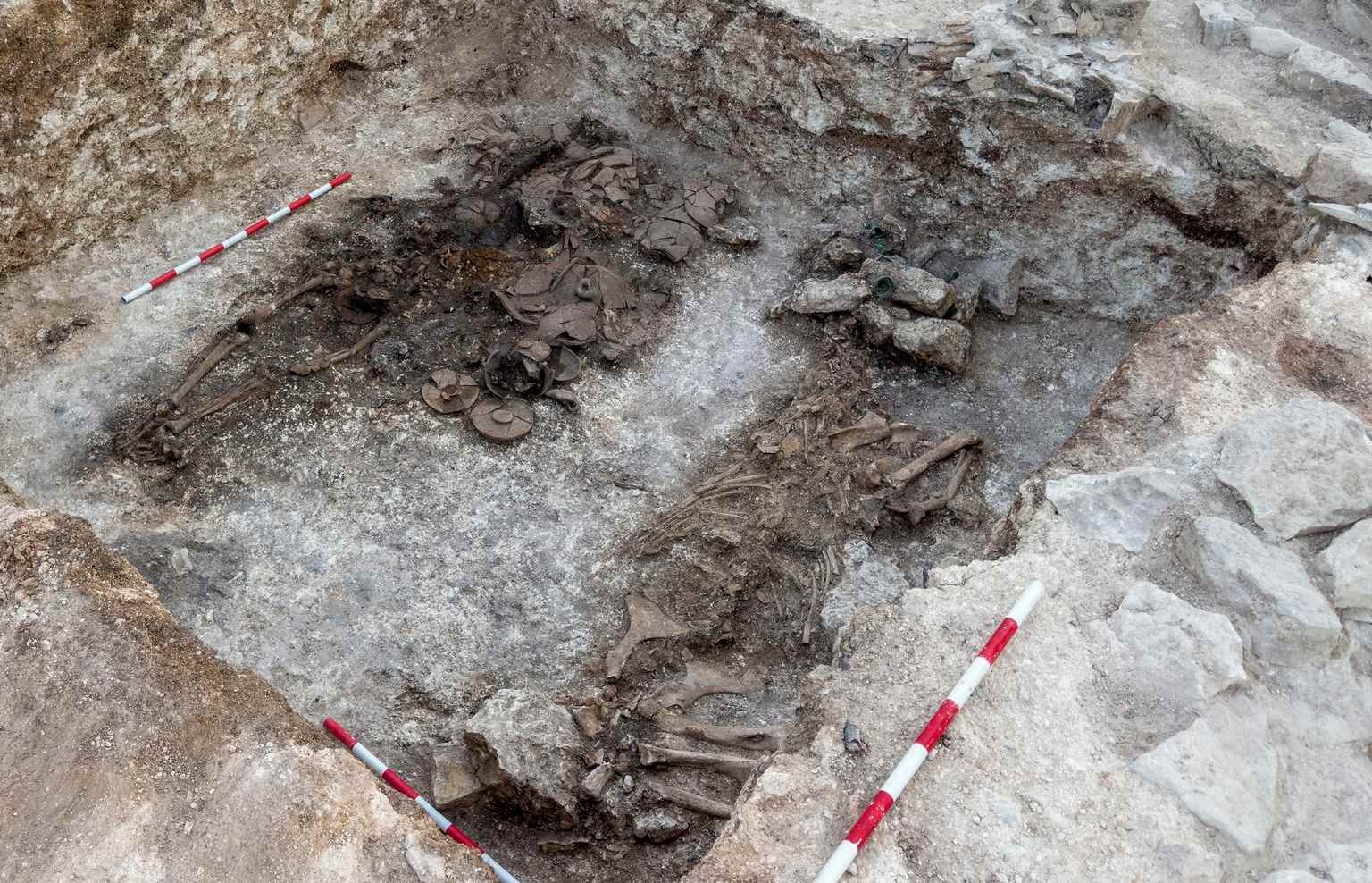
Bulgarian archaeologists have unveiled what experts are calling the richest ancient burial ever discovered in the country—a 2,100-year-old Thracian warrior tomb containing stunning gold treasures now on display in Sofia. The extraordinary find, dubbed the “Lord of Sakar” after the southeastern Bulgarian mountain range where it was unearthed, offers unprecedented insight into the wealth and sophistication of ancient Thracian society.livescience
The Bulgarian Academy of Sciences opened “The Glitter of Hellenistic Gold: The Lord of Sakar” exhibition at the National Archaeological Institute with Museum on August 12, 2025, showcasing artifacts from this remarkable discovery. President Evelina Slavcheva emphasized the significance of the findings, stating they “testify to high craftsmanship, rich spiritual life, and prosperous societies”.bas
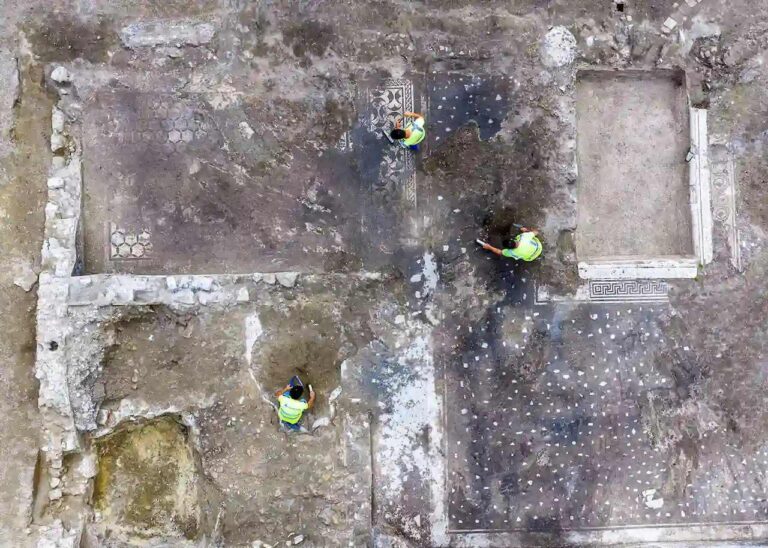
The ancient burial mounds were discovered in 2024 during construction work for a solar park near the village of Kapitan Petko Voivoda in the Topolovgrad region. Archaeological teams from the Bulgarian Academy of Sciences, led by researchers including Dr. Daniela Agre, Vladimir Staykov, and Deyan Dichev, excavated two burial mounds—one containing a middle-aged warrior and his horse, and another holding a young woman.livescience
The warrior’s tomb, measuring three meters by three meters and one meter deep, contained the remains of a man estimated to be between 35 and 40 years old at the time of his death. Dating to the late Hellenistic period (150-100 BC), the burial reflects a time when Thrace was transitioning from Greek influence to Roman control.greekreporter
The tomb’s contents reveal the warrior’s elite status through an array of precious artifacts. A gilded silver wreath surrounded the warrior’s skull—a symbol of honor and leadership in Thracian culture. According to the Municipality of Topolovgrad, this represents the most opulent burial ever discovered in Bulgaria.livescience
The grave goods include an iron knife with gold inlays and gemstones, a unique gold bracelet featuring cast figurines, silver jewelry, iron spears, a shield, and ceramic vessels. The warrior’s horse was buried alongside him, adorned with elaborate harness decorations made of gold, silver, and bronze, including medallions depicting mythological scenes such as Hercules wrestling the giant Antaeus.indiatimes
Archaeological analysis reveals strong Hellenistic influences in the burial practices and artifacts. Deyan Dichev noted the exceptional craftsmanship of the horse harness decorations, stating, “This is not local craftsmanship; it’s a piece imported from a first-rate workshop, probably in Pergamon or Alexandria”. The finds demonstrate how Greek cultural elements permeated Thracian elite society during this transitional period.popularmechanics
The discovery adds to Bulgaria’s rich archaeological heritage of Thracian tombs, though few have remained as undisturbed as the Lord of Sakar’s burial. The artifacts are currently being conserved and prepared for permanent display, offering visitors a rare glimpse into the opulence and artistry of ancient Thracian civilization.atlasobscura