Newsletter Subscribe
Enter your email address below and subscribe to our newsletter
Enter your email address below and subscribe to our newsletter

All voices matter
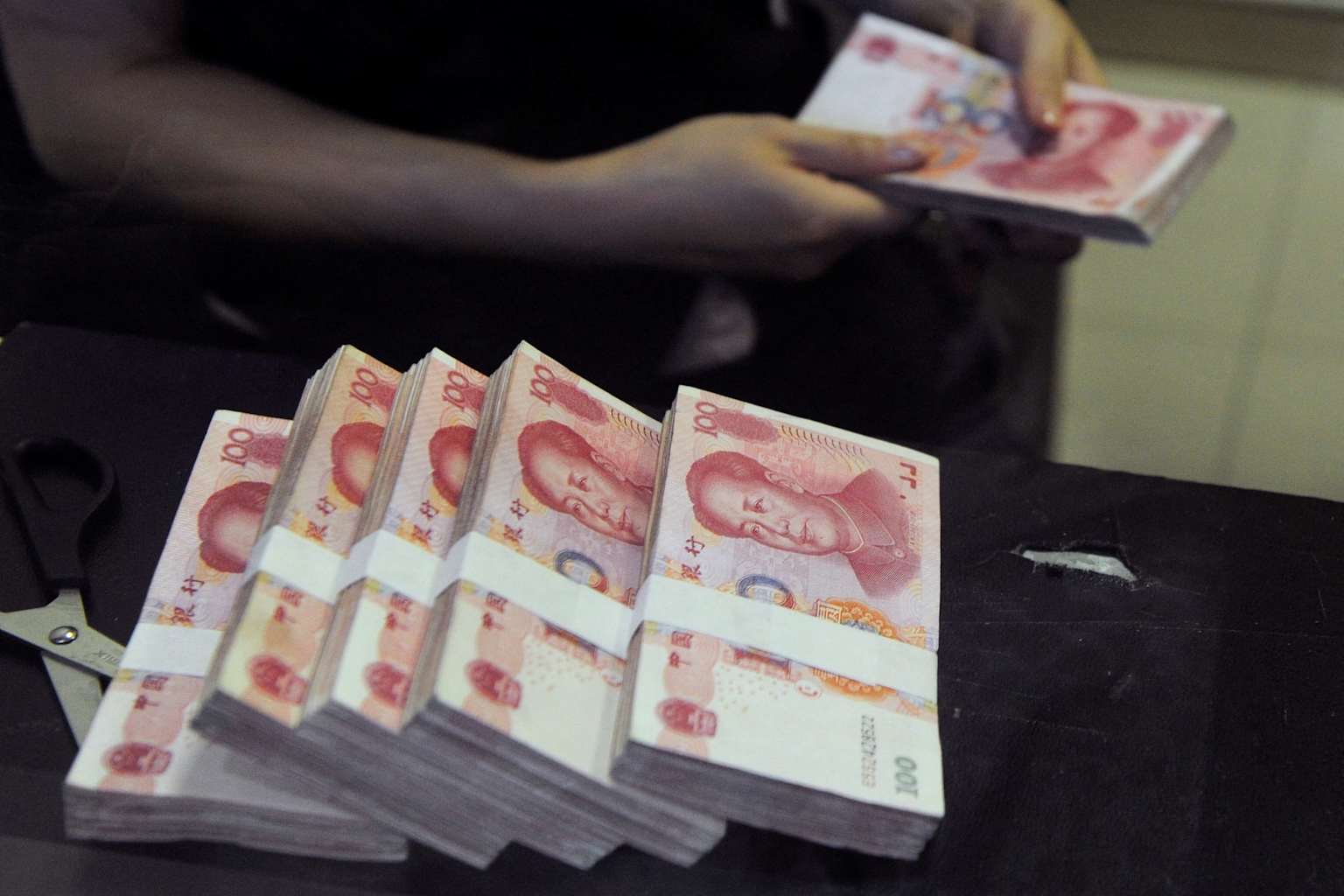
Brazil’s Finance Minister Dario Durigan departed for China on Sunday to advance the country’s first-ever sovereign panda bond issuance, a move that would make Latin America’s largest economy the latest nation to tap the booming yuan-denominated debt market in mainland China.globaltimes
The issuance is widely expected to take place this week in Shanghai’s interbank bond market, with Durigan’s official agenda running from June 24 to 26 in Shanghai and Beijing. The minister is scheduled to meet with New Development Bank President Dilma Rousseff and China’s Finance Minister Lan Fo’an. Discussions will also cover Brazil’s EcoInvest sustainable development program and an agreement to expand Brazil’s tax authority presence in China.reuters
The trip follows a June 9 meeting between the central bank governors of both countries, after which the People’s Bank of China said it “welcomes the Brazilian government’s issuance of sovereign panda bonds in China” and looks forward to more Brazilian companies issuing bonds in the domestic market.globaltimes
Brazil’s planned debut comes amid a surge in foreign borrowing through China’s onshore market. Panda bond issuance exceeded 137 billion yuan by mid-June, up more than 80 percent year-on-year, according to data cited by CNBC from Moody’s. Kazakhstan, Pakistan, and Slovenia have all made debut sovereign issuances this year, while Wall Street banks including Deutsche Bank and Morgan Stanley have tapped the market at rates between 1.7 and 2.2 percent — well below dollar borrowing costs.scmp
The cost advantage is clear: China’s supportive monetary policy has kept domestic rates near historic lows, while the U.S. Federal Reserve maintains elevated rates, creating a gap of two to three percentage points for foreign issuers.cnbc
Brazil’s panda bond plan is part of a broader strategy announced in January to issue debt in dollars, euros, and yuan. In April, Brazil sold its first euro-denominated bond since 2014, raising 5 billion euros. The size and pricing of the yuan issuance have not been disclosed.riotimesonline
For Beijing, each new sovereign borrower advances the yuan’s internationalization — the currency now accounts for 34.5 percent of China’s cross-border goods trade settlements, up from about 10 percent in 2017. For Brazil, whose largest trading partner is China, the move deepens a financial relationship already underpinned by a 190-billion-yuan currency swap renewed last year.yahoo