Newsletter Subscribe
Enter your email address below and subscribe to our newsletter
Enter your email address below and subscribe to our newsletter

All voices matter
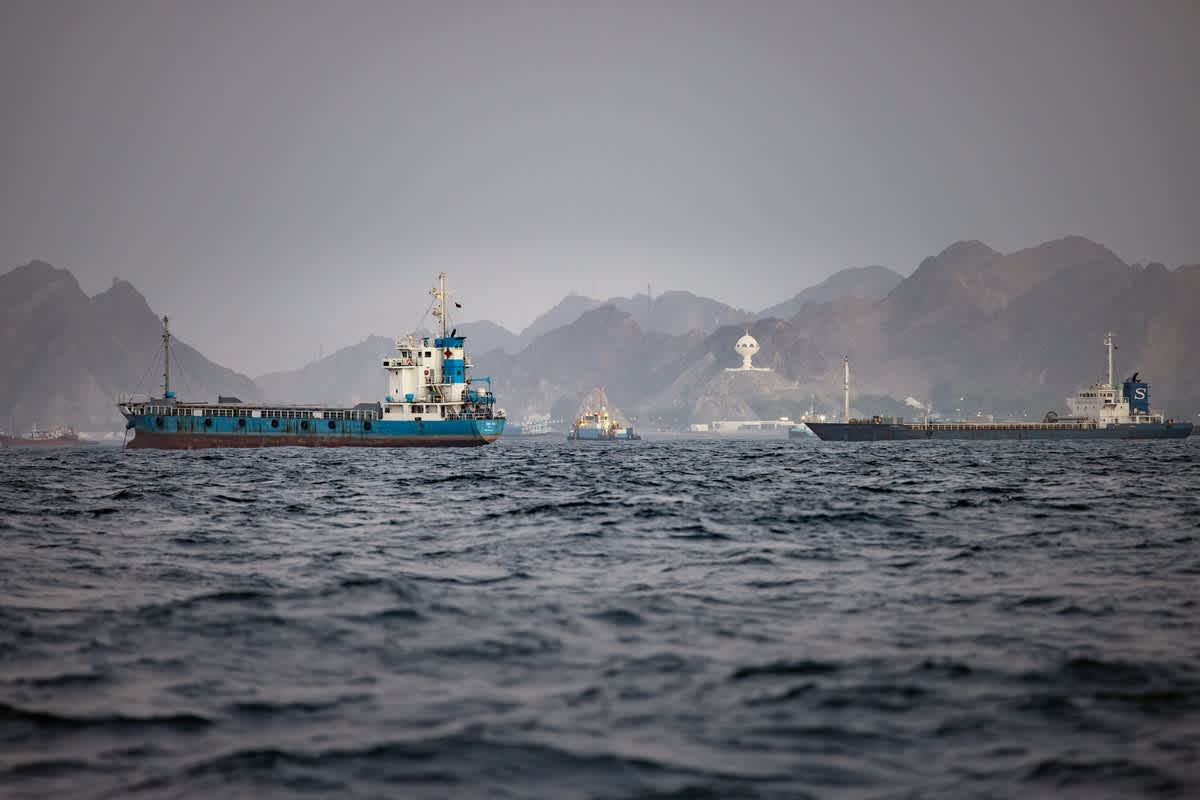
Oil prices dropped more than 1% on Tuesday, extending a sharp selloff from the prior session, as crude tankers resumed passage through the Strait of Hormuz following a US-Iran peace deal that included a 60-day sanctions waiver.
Brent crude futures fell $1.09, or 1.4%, to $76.81 a barrel, while US West Texas Intermediate declined 87 cents, or 1.2%, to $72.99 a barrel in early trading, according to Reuters-sourced market data. Monday’s session had seen declines of more than 3% after the United States granted Iran a 60-day sanctions waiver following initial peace talks at the Swiss resort of Bürgenstock.reuters
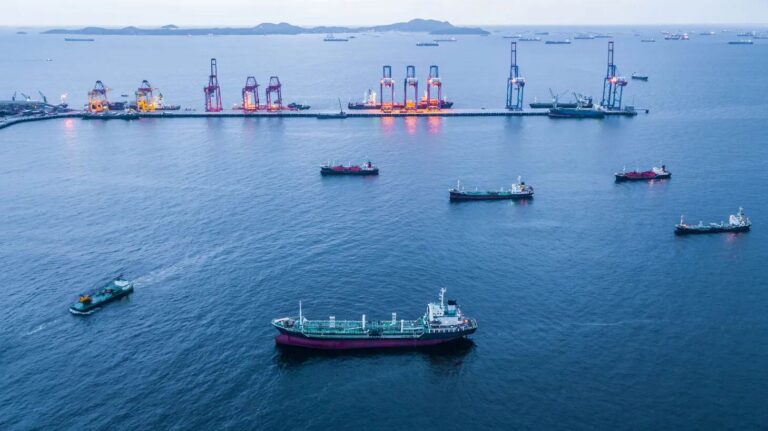
“The gradual increase in oil flows through the Strait of Hormuz continues to weigh on the market,” ING analysts said in a note on Tuesday. Two crude tankers carrying just under 2 million barrels of oil sailed through the strait on Monday, ship-tracking data showed, a sign that traffic was picking up after weaker flows over the weekend.marinelink
The recovery, however, remains fragile. Maritime intelligence firm Windward reported that only 12 vessels crossed the strait on Sunday, down from over 21 the day before, with several ships running “dark” — their transponders switched off. Before the conflict began in late February, an average of around 110 ships traversed the strait daily. Iran briefly declared the waterway closed again on Saturday, citing Israeli attacks in Lebanon, though the US military refuted those claims.cnbc
The US Treasury on Monday issued a 60-day sanctions waiver allowing Iran to sell oil in US dollars for the first time in decades, according to The Independent. The waiver followed talks where US Vice President JD Vance said both sides had “laid a very good foundation for a successful final deal”.independent
Under the memorandum of understanding signed last week, Iran agreed to allow commercial vessels through the Strait of Hormuz “with no charge for 60 days,” after which future management would be determined with Oman and other Gulf states. The deal also established a communication hotline to prevent incidents in the waterway and a framework to halt fighting in Lebanon between Israel and Hezbollah.reuters
The broader backdrop includes severe depletion of the US Strategic Petroleum Reserve. Reuters reported on June 15 that SPR stocks had fallen to 340.3 million barrels — the lowest since 1983. The Trump administration has drained 66 million barrels since the Iran war began and authorized a total release of 172 million barrels to keep global supplies flowing, according to Fortune.fortune
With technical discussions between Washington and Tehran set to continue through the week and Israel-Lebanon talks due in Washington on Tuesday, markets are pricing in a best-case scenario for the normalization of oil flows — though analysts caution the hardest part lies ahead.reuters