Newsletter Subscribe
Enter your email address below and subscribe to our newsletter
Enter your email address below and subscribe to our newsletter

All voices matter
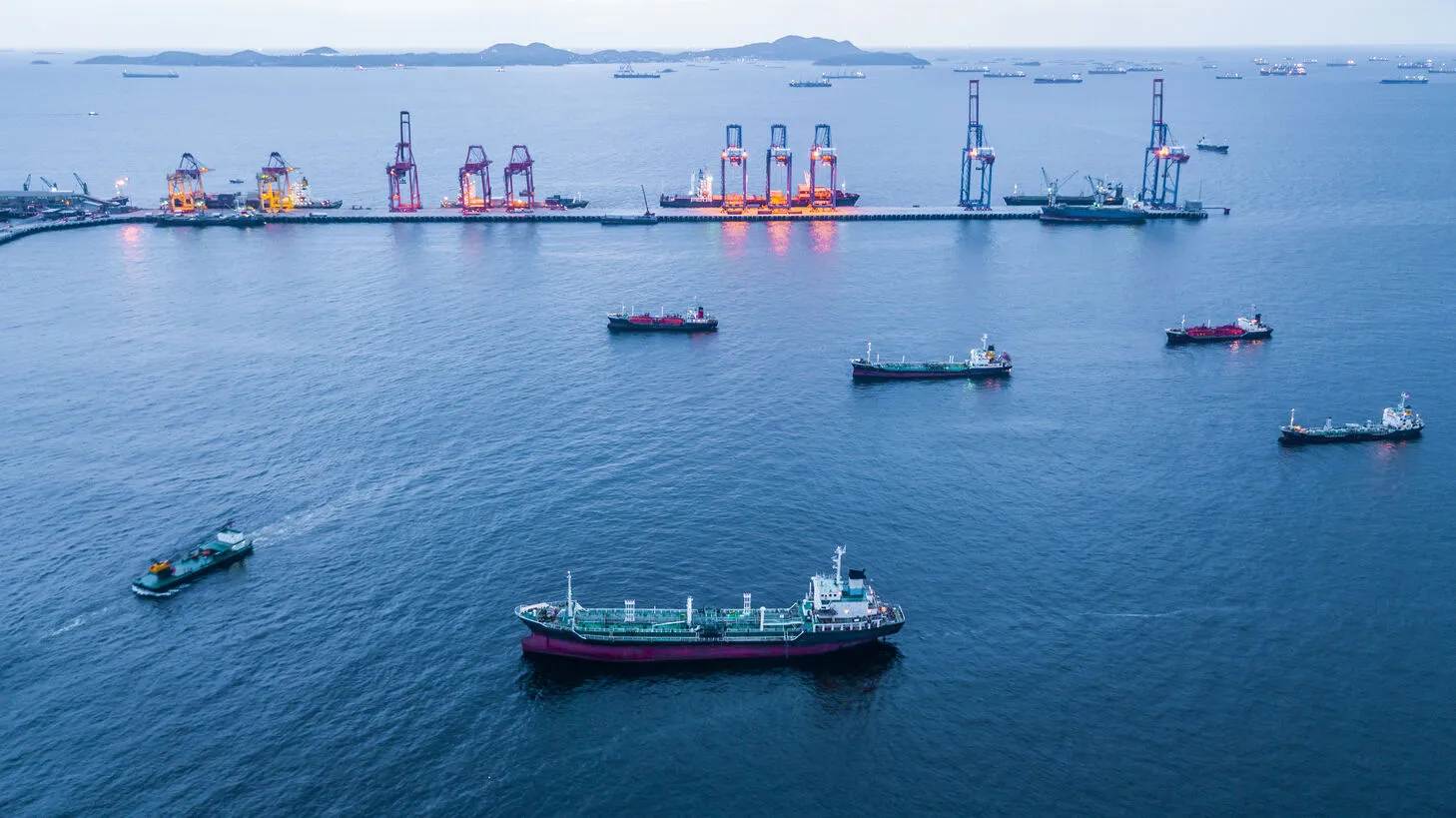
As Middle Eastern crude begins flowing back into global markets following the reopening of the Strait of Hormuz, analysts are warning that China’s structural retreat from oil consumption could cap any price recovery and push Brent crude toward sustained lows.
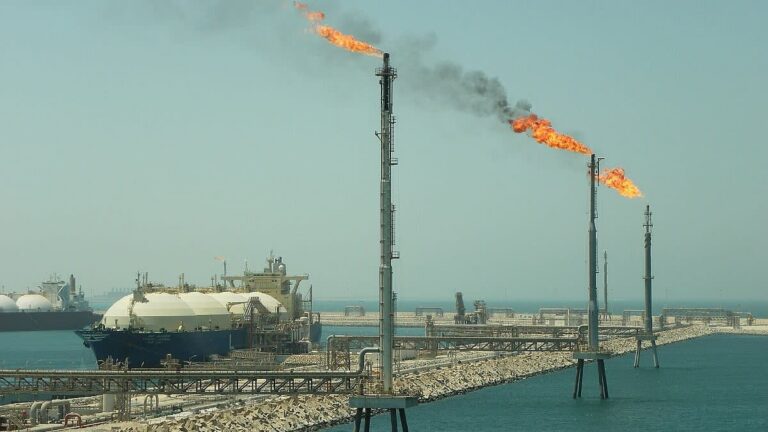
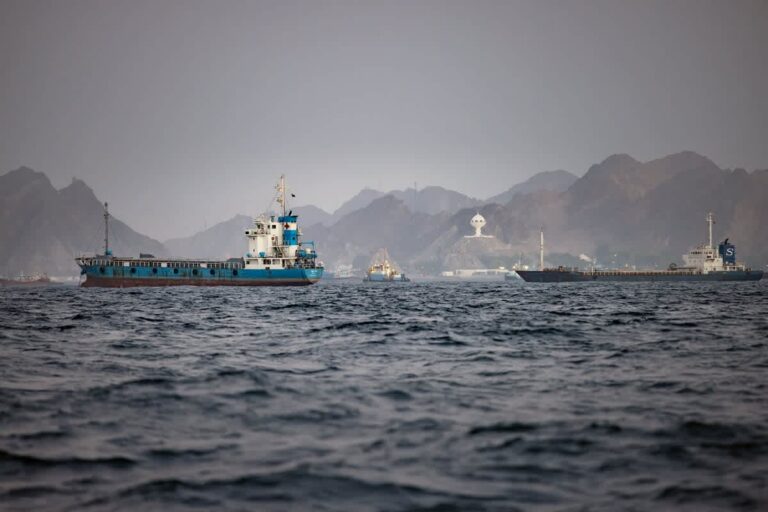
The Strait of Hormuz reopened on June 20 after a U.S.-Iran framework agreement ended nearly four months of disruption that had removed more than 14 million barrels per day from global supply. Brent crude has since fallen sharply from its conflict-era highs above $120 per barrel, trading near $78 in recent sessions. But rather than stabilizing, prices face a new headwind: China’s diminished appetite for oil.reuters
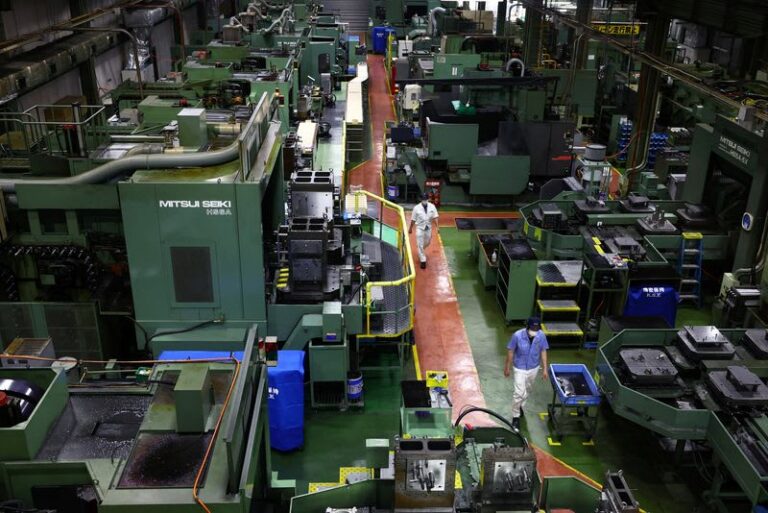
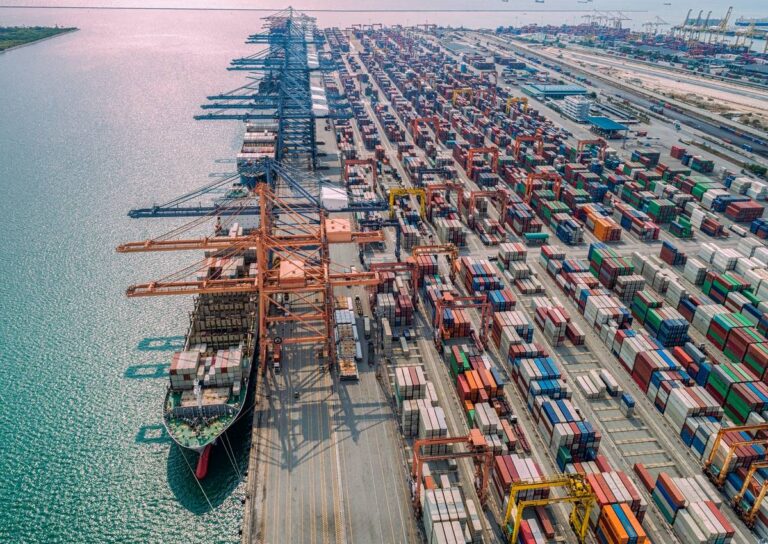
PetroChina forecasts that Chinese oil consumption will drop 4.9% this year to 753 million tons, reversing a 3.6% increase in 2025. The country’s seaborne crude imports fell to a decade low in May, with Kpler estimating arrivals at roughly 6.8 million barrels per day, down from 11.6 million bpd averaged in 2025.reuters
CNBC reported that Beijing cut crude imports from 11.7 million barrels per day in February to under 9 million by late May — a reduction of nearly 3 million bpd that J.P. Morgan analysts called a “disproportionate” contribution to global market balancing during the conflict. The decline is driven by China’s accelerating pivot toward electric vehicles and alternative energy, which Goldman Sachs projects could reduce Chinese petroleum demand by more than 10% over time.futunn
Goldman Sachs lowered its 2027 Brent forecast to $80 per barrel from $85, citing China’s energy transition as a long-term structural drag. The bank noted that weak Chinese and European demand poses roughly $10 per barrel of downside risk to its Q4 2026 Brent target of $90. J.P. Morgan has projected even lower levels, with a full-year 2026 average around $60 per barrel before the conflict disrupted markets.moomoo
With Kpler analysts estimating around 93 million barrels of non-Iranian crude now free to re-enter the market from the Persian Gulf, the supply glut could intensify. The International Energy Agency’s June report forecasts global oil demand will decline by 1.1 million barrels per day year-over-year in 2026.iea
The key question is whether China’s reduced buying is temporary war-era conservation or a permanent shift. Kpler noted in May that Chinese refiners had accumulated over 200 million barrels in strategic reserves that could sustain reduced imports through mid-September. But Goldman Sachs’s view is that the decline reflects something deeper — a country whose gasoline consumption fell as much as 20% in April alone. As analyst Tamas Varga of PVM Oil Associates observed, investors increasingly believe the disruptions that drove prices above $120 “are definitively over”.reuters