Newsletter Subscribe
Enter your email address below and subscribe to our newsletter
Enter your email address below and subscribe to our newsletter

All voices matter
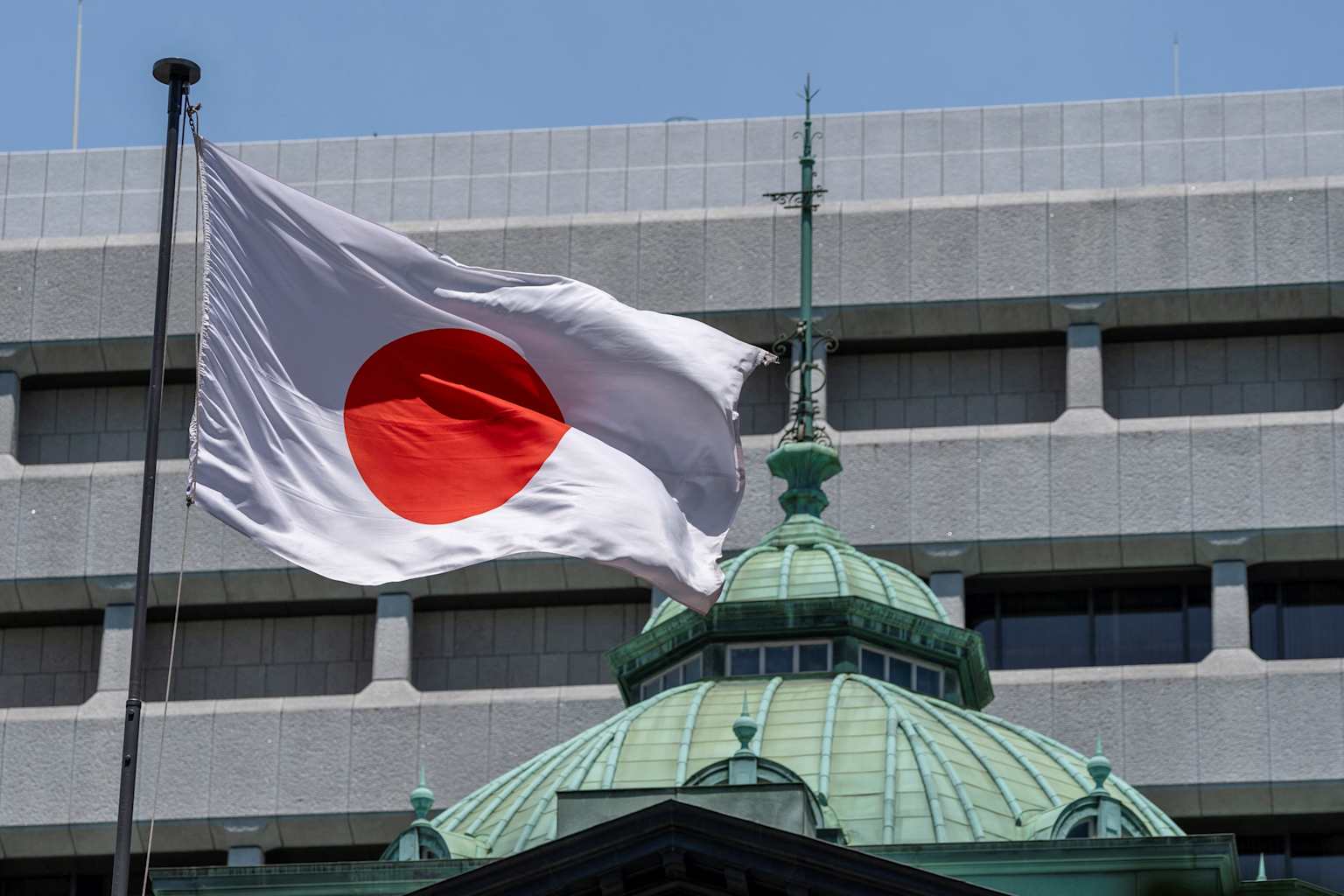
Japan’s benchmark 10-year government bond yield climbed to around 2.675% on Monday, rising for a third consecutive session as investors grappled with mounting fiscal spending plans and the fallout from the Bank of Japan’s recent rate hike to a 31-year high.
The selloff in Japanese government bonds accelerated after reports that Prime Minister Sanae Takaichi’s government plans to set a target of 370 trillion yen ($2.3 trillion) in combined public and private investment across 17 strategic sectors by 2040, according to a Nikkei report confirmed by Reuters and NHK. The initiative — covering artificial intelligence, semiconductors, space development, and other fields — is expected to be formally unveiled as early as this week.firstpost
The government is considering a multi-year budget framework and the use of “bridging bonds” to finance portions of the spending, moves that have unnerved bond investors already wary of Japan’s debt load. Under what Takaichi has termed a “responsible active fiscal policy,” the plan envisions public outlays to stimulate private-sector capital deployment across industries from quantum computing to defense.reuters
The yield spike comes just days after the Bank of Japan raised its policy rate to 1% from 0.75% on June 16, the highest borrowing costs since 1995, in a 7-1 vote. Deputy Governor Shinichi Uchida, who chaired the meeting in the absence of hospitalized Governor Kazuo Ueda, signaled that further increases remain on the table depending on economic conditions.reuters
Adding to supply-side pressure, Bloomberg reported Monday that Japanese insurers sold a net ¥201.2 billion of super-long domestic sovereign bonds in May, reversing ¥327.2 billion in purchases made during April at the start of the fiscal year. The reversal reflects growing reluctance among traditional buyers to absorb duration risk at elevated yield levels.bloomberg
The yen’s persistent weakness near multidecade lows against the dollar — it touched 161.81 last week, the weakest since July 2024 — continues to stoke imported inflation and reinforce expectations that the BOJ will tighten further. A Reuters poll of economists projects another rate increase to 1.25% in the October-December quarter. With MUFG Research forecasting the 10-year yield could range between 2.58% and 2.70% in the near term, traders see little immediate relief for a bond market caught between expansionary fiscal ambitions and a central bank determined to rein in prices.mufgresearch